Introduction
The ongoing conflict between Russia and Ukraine has produced significant geopolitical tensions, particularly in Eastern Europe. The increasing frequency of Russian drone incursions close to NATO’s borders, especially in Poland, has raised concerns for member nations. Understanding the implications of these developments is crucial as NATO seeks to enhance security and cooperation in the region.
The Rise of Drone Incursions
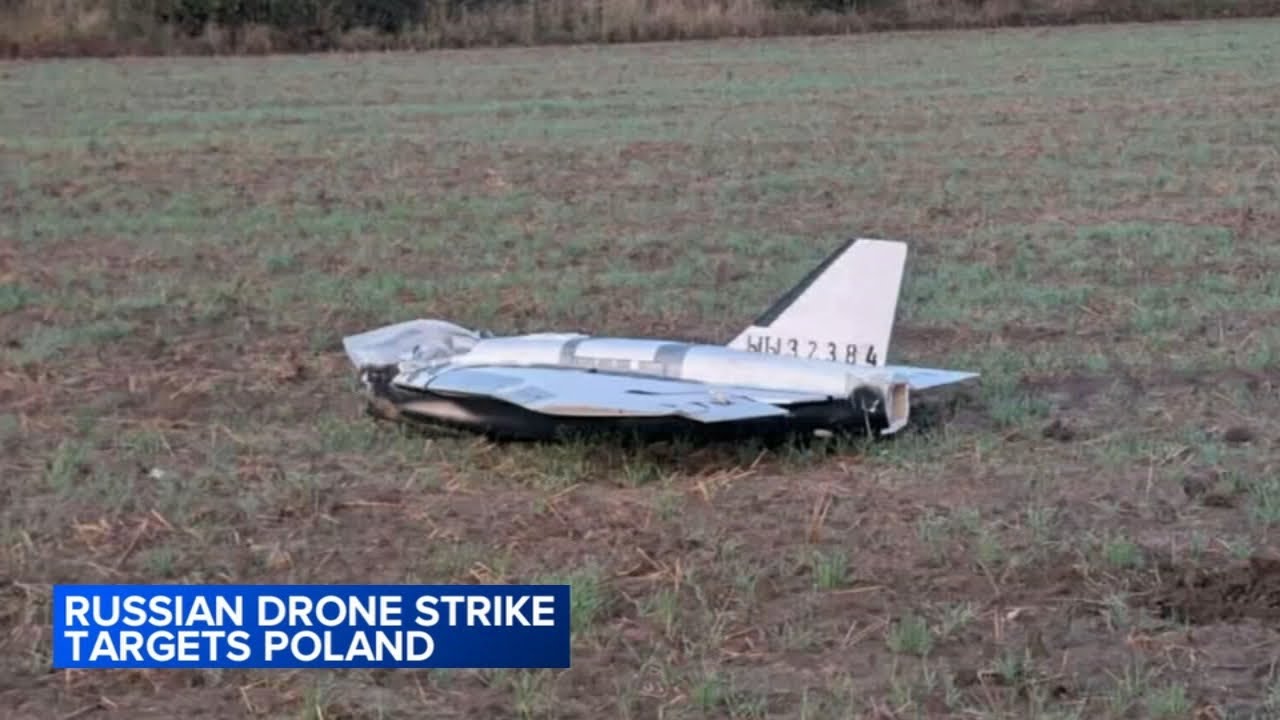
In recent months, Poland has reported several instances of unidentified drones, suspected to be of Russian origin, flying over its airspace. This uptick follows increased military activities and exercises by Russia, notably following the invasion of Ukraine in 2022. Poland, positioned as a frontline ally in NATO, has become increasingly vigilant about these aerial threats, especially considering the proximity of Russian military operations in Belarus and Kaliningrad.
NATO’s Measures
As a response to these drone sightings, NATO has intensified its surveillance efforts in the region. New aerial surveillance missions have been launched, and allied nations have rallied around Poland to bolster its air defence capabilities. Poland has also emphasised the need for a united stance from NATO against potential threats, underscoring the need for enhanced readiness and real-time intelligence-sharing among member states.
In a recent meeting of NATO defence officials, General Jens Stoltenberg highlighted the importance of adapting to emerging threats, including the innovative use of drone technology by adversaries. He stated, “NATO will remain vigilant in protecting our airspace and ensuring the safety of our member countries.” The alliance is also exploring joint training exercises aimed at counter-drone warfare, which will bolster both defensive and offensive capabilities against such aerial threats.
The Impact on Regional Security
The presence of Russian drones near Poland not only poses a challenge to national security but also raises questions about regional stability. Analysts believe that these incursions signal an attempt by Russia to test NATO’s resolve and response capabilities. The risk of miscalculations or accidental confrontations highlights the delicate balance of power in the region.
Conclusion
The increase in Russian drone activity near Poland reflects the evolving nature of conflict and the strategic challenges faced by NATO. As tensions persist, it is crucial for member countries to remain united and proactive in addressing these threats. The steps being taken now not only aim to safeguard Poland but are also essential for maintaining a secure and stable Europe. Continued vigilance, collaborative efforts, and adaptive strategies will play a pivotal role in addressing the complexities posed by modern warfare and protecting the interests of NATO’s member states.