








Introduction
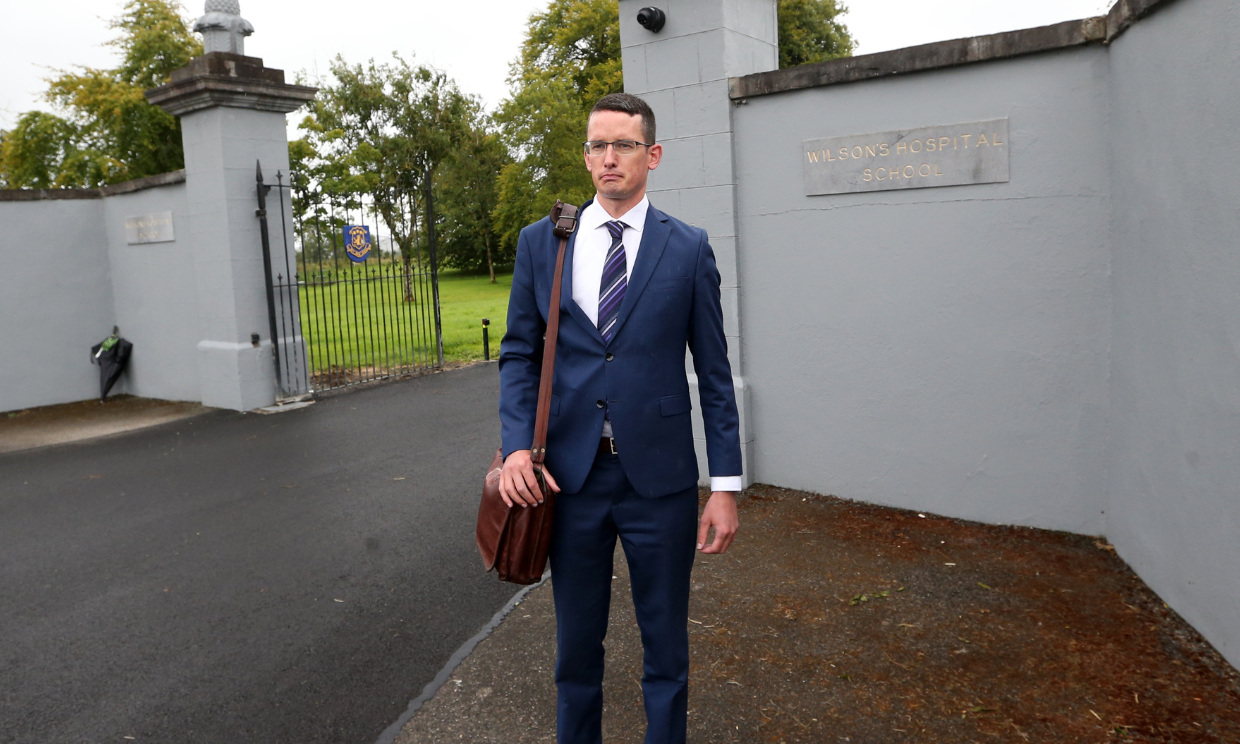
The ongoing case of Enoch Burke has sparked significant debate and interest in Ireland, highlighting the delicate balance between personal beliefs and institutional policies within educational settings. Burke, a teacher at Wilson’s Hospital School in Westmeath, gained media attention due to his refusal to adhere to the school’s policy on gender identity, which has raised important questions about freedom of expression, employment rights, and the obligations of educational institutions in adhering to modern societal norms.
The Background of the Case
Enoch Burke was suspended from his position in September 2022 after publicly opposing the school’s decision to allow students to identify with a gender different from their biological sex. Burke’s stance was grounded in his Christian beliefs, leading him to object to the use of preferred pronouns for transgender students. His refusal to comply with the school’s policies led to a legal battle, which had profound implications not only for Burke but also for the educational institution he represented.
Legal Proceedings and Public Reaction
The case escalated as Burke sought legal avenues to contest his dismissal, claiming he was wrongfully suspended. His actions have garnered both support and criticism from various groups. While some uphold Burke’s right to express his beliefs, others argue that his stance may undermine the rights of LGBTQ+ students and create a hostile environment within educational settings. Discussions surrounding this case often reflect broader societal tensions regarding gender identity and religious beliefs.
Current Developments
As of October 2023, the case remains a focal point in Irish media, with court proceedings ongoing. Recently, the High Court ruled on certain preliminary measures, indicating a potential route for resolution. However, the decision was met with mixed feelings from both supporters and opponents of Burke’s perspective. The legal interpretations surrounding employment rights and anti-discrimination laws are under intense scrutiny, as many await the final verdict.
Conclusion
The Enoch Burke case illustrates the complexities of navigating individual beliefs within the framework of educational policy. It raises significant questions about the future of teaching practices and inclusivity in schools. As the case unfolds, it serves as a critical reminder of the need for dialogue and understanding in a diverse society. Observers anticipate that the outcome will set important precedents regarding the intersection of religious belief, personal rights, and institutional responsibilities in Ireland.