










The Significance of Inflation in Today’s Economy
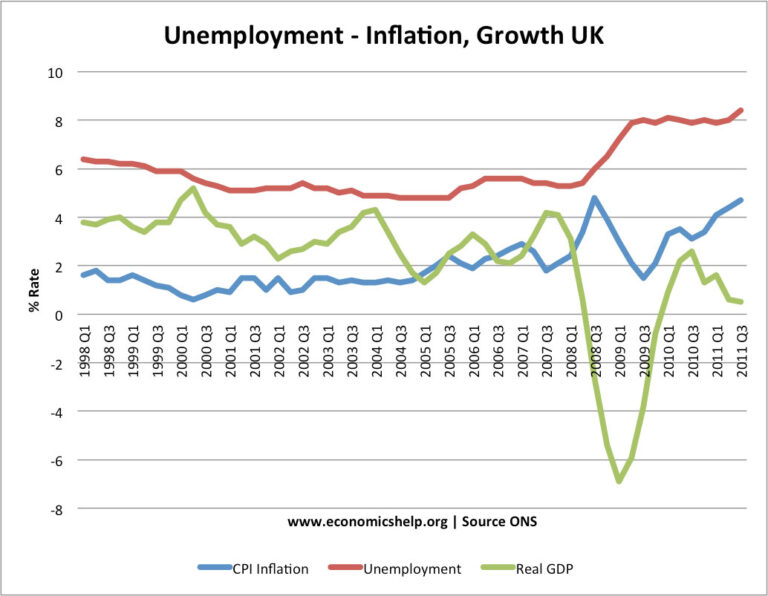
Inflation, the rate at which the general level of prices for goods and services rises, is a crucial economic indicator that affects everyone from consumers to businesses and policymakers. In 2023, inflation continues to be a pressing concern globally due to ongoing geopolitical tensions, supply chain disruptions, and various monetary policies implemented during the COVID-19 pandemic. Understanding inflation is vital for managing personal finances and making informed investment decisions.
Current Trends in Inflation Rates
As of October 2023, the inflation rate in the UK stands at approximately 5.5%, a decrease from the highs of 10.1% seen in late 2022. This reduction can be attributed to a stabilising supply chain, decreased energy costs, and monetary tightening measures taken by the Bank of England. However, the inflation rate remains above the government’s target of 2%, which raises concerns about future price stability.
Factors Influencing Inflation
Several factors have been contributing to the current inflation landscape. Firstly, the ongoing effects of the pandemic have resulted in shifts in consumer behaviour and demand, particularly for goods and services that saw sharp price movements during the lockdowns. Secondly, energy prices, which significantly influence overall inflation, have seen fluctuations due to geopolitical tensions, particularly in Eastern Europe, impacting natural gas and oil prices. Lastly, central banks’ decisions to increase interest rates in response to inflationary pressures have also played a role in shaping economic expectations.
The Impact of Inflation on Consumers and Businesses
For consumers, persistent inflation can erode purchasing power, leading to tighter household budgets. Essentials such as food, fuel, and housing have seen price increases, resulting in challenges for low-to-middle-income families. Businesses also feel the impact as they face higher input costs, which can lead to reduced margins or price increases passed on to consumers; this can create a cycle that perpetuates inflation.
Looking Ahead: Forecasts and Significance
Looking forward, economists project that inflation will gradually ease as supply chains normalise and energy prices stabilise. However, any resurgence in global conflicts or new variants of COVID-19 could pose risks to these projections. Policymakers are likely to continue monitoring inflationary trends closely, adjusting interest rates as necessary to foster economic stability.
In conclusion, inflation remains a key topic of focus in 2023. For individuals and businesses alike, understanding the dynamics of inflation is essential for navigating the economic landscape and planning for the future. Keeping abreast of inflation trends can help consumers make informed financial decisions and identify opportunities amidst economic uncertainty.