






Introduction
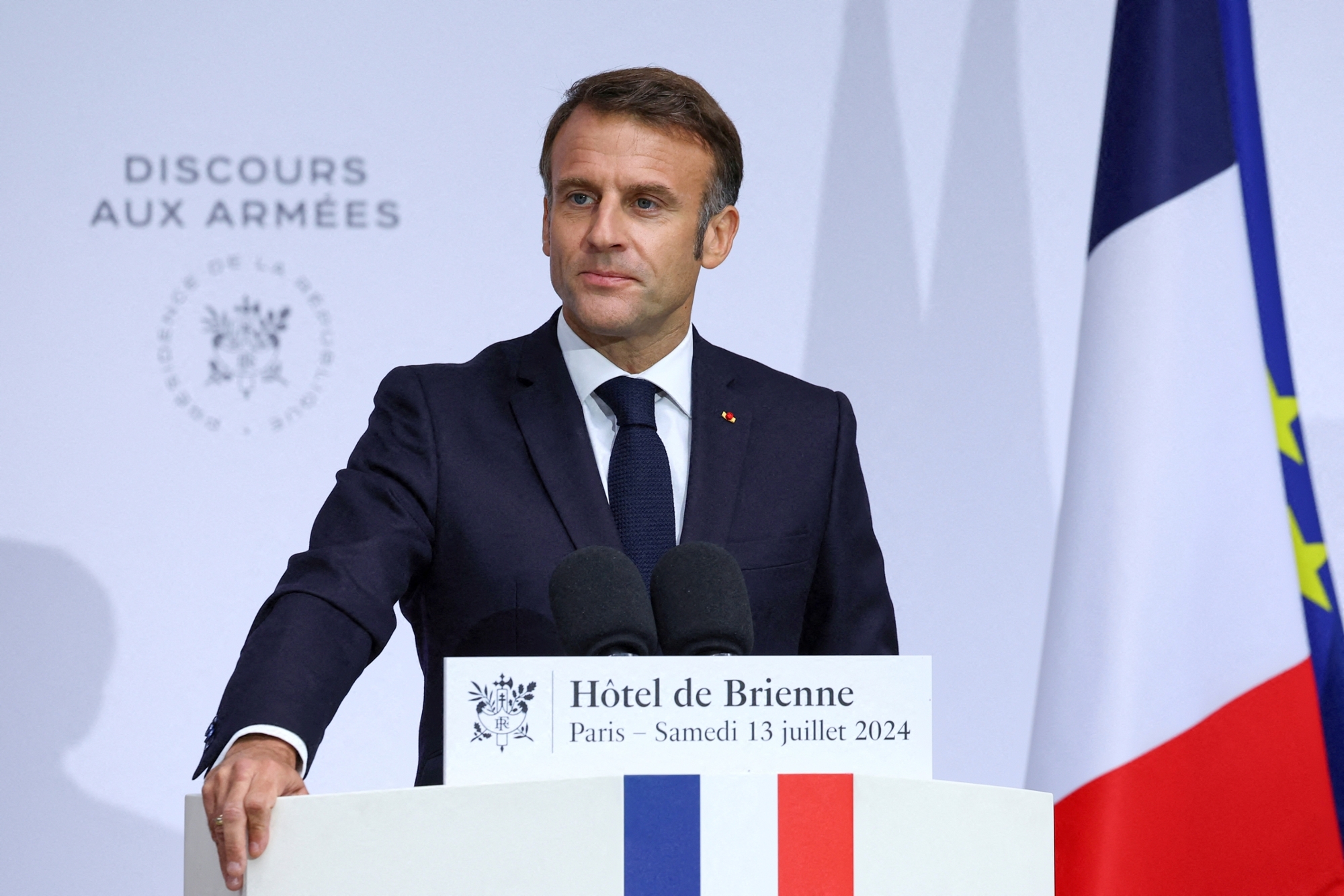
Emmanuel Macron, the President of France since 2017, has become a significant figure in European and global politics. His leadership style, centrist political approach, and various reforms have changed the landscape of French governance and society. Understanding Macron’s presidency is essential in discussing the future of not only France but also the European Union, making this topic particularly relevant today.
Macron’s Rise to Power
Emmanuel Macron’s journey to the Élysée Palace followed a non-traditional path in French politics. Initially serving as Minister of Economy, Industry, and Digital Affairs, his rapid ascent captivated voters. Macron founded La République En Marche! in 2016, promoting a pro-European Union agenda and economic reforms aimed at modernising France. His election in May 2017 marked a significant shift, as he became the youngest president in French history at just 39 years old.
Key Policies and Reforms
Macron has initiated several ambitious reforms during his presidency. His government has focused on labour market reforms intended to reduce unemployment rates, with a notable reduction from over 9% in 2017 to around 7.1% in 2023. Additionally, his administration has emphasised climate change initiatives, seeking to position France as a leader in global environmental issues. Macron’s commitment to the Paris Agreement exemplifies this ambition, despite facing staunch opposition from protest movements such as the Yellow Vests, which arose in reaction to fuel tax increases.
Recent Developments and Challenges
As he enters his second term, Macron faces a new array of challenges. The recent national elections saw a parliamentary reshuffle, with his centrist party losing its absolute majority, leading to a need for broader coalitions. Additionally, the rise of opposition parties, particularly on the far-right and the far-left, complicates his ability to implement reforms. Social discontent surrounding issues such as pension reform and rising living costs remain significant concerns for the Macron government.
Conclusion
Emmanuel Macron’s leadership embodies a transformative period in French politics. His centrist, pro-European stance is pivotal as Europe navigates complex geopolitical challenges. While his ambitions for reform have faced hurdles, the resilience of his administration will be tested in the coming years. For readers, understanding Macron’s presidency is crucial for comprehending the broader dynamics at play within France and the European Union. As challenges evolve, so too will the narrative surrounding Macron’s France, making future developments essential to monitor.