









Introduction to Ultra Processed Foods
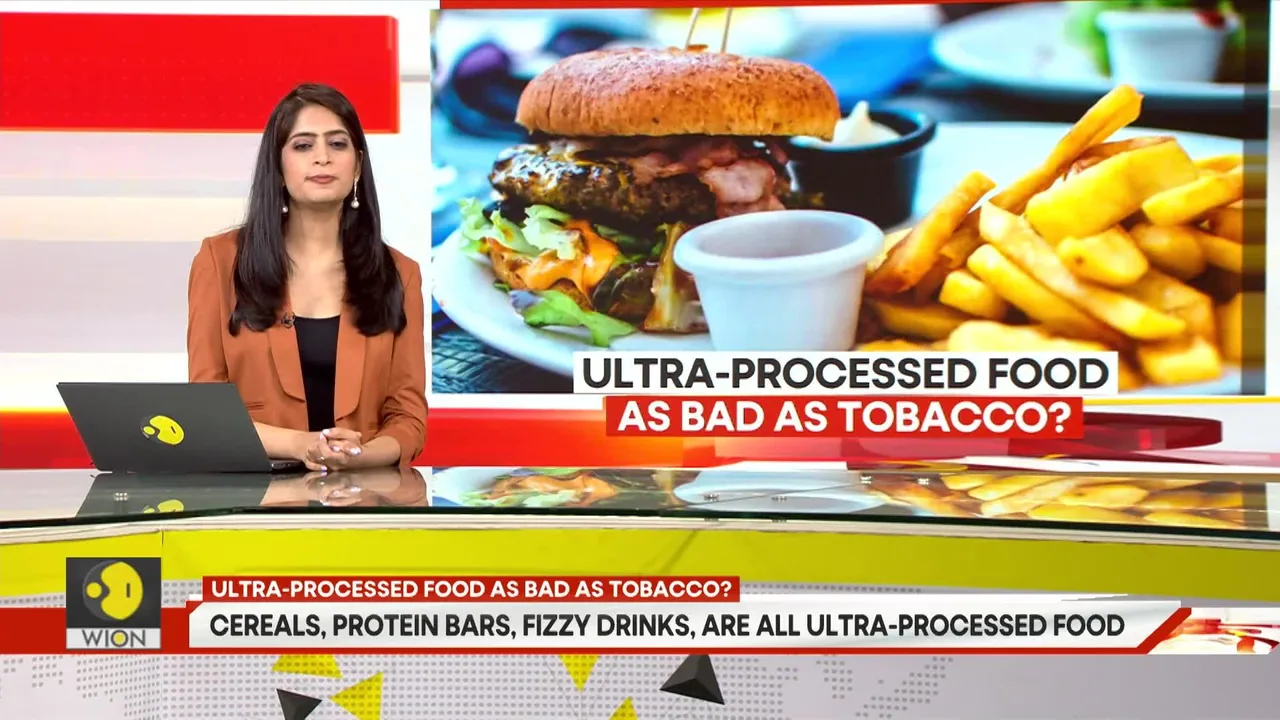
Ultra processed foods are widely discussed in health and nutrition circles due to their increasingly dominant presence in diets around the globe. Defined as food products containing ingredients not typically found in a home kitchen, such as preservatives, artificial flavours, and colour additives, these foods are often high in sugar, unhealthy fats, and salt. With global obesity rates on the rise, understanding the implications of ultra processed foods is more critical than ever, as they are linked to various health concerns including heart disease, diabetes, and metabolic syndrome.
The Prevalence of Ultra Processed Foods
According to recent research, ultra processed foods now account for over 50% of the average diet in several countries, including the United Kingdom and the United States. Products such as sugary breakfast cereals, ready-to-eat meals, packaged snacks, and soft drinks are staples in many households. The convenience, long shelf-life, and often lower costs of these products make them appealing, especially for busy families. However, this convenience comes at a potential health cost.
Health Risks Associated with Ultra Processed Foods
A growing body of evidence suggests a strong correlation between the consumption of ultra processed foods and negative health outcomes. Studies have indicated that individuals consuming higher amounts of these foods are at an increased risk of developing obesity, cardiovascular diseases, and certain types of cancer. The high levels of sugar and unhealthy fats found in many ultra processed foods contribute to weight gain and poor metabolic health. Furthermore, the addictive nature of these foods, often engineered to enhance flavour and satisfaction, can lead to overeating.
Global Responses and Recommendations
In response to the associated health risks, health organizations worldwide are recommending a shift towards whole, minimally processed foods. The World Health Organization (WHO) has released guidelines urging individuals to decrease their intake of ultra processed foods and increase their consumption of fruits, vegetables, whole grains, and lean proteins. Additionally, several countries are implementing policies to regulate advertising targeted at children and improving food labelling to inform consumers better.
Conclusion: A Necessary Shift in Diet
As awareness of the dangers linked to ultra processed foods grows, it is imperative that individuals and communities advocate for healthier dietary habits. Making informed choices, prioritising whole foods, and supporting local food systems can reverse the trend towards heavily processed diets. With increasing awareness and policy changes, there is hope for a future where ultra processed foods are consumed less frequently, leading to improved public health outcomes.