







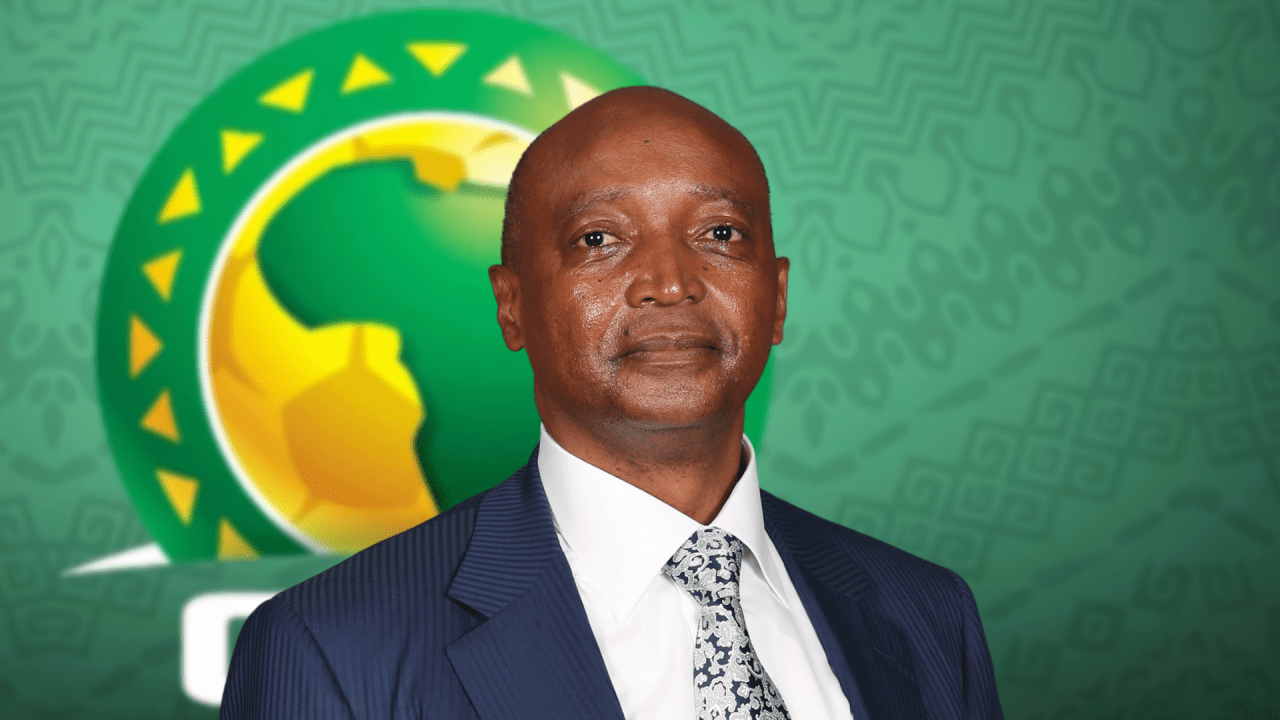
The Importance of the CAF President
The Confederation of African Football (CAF) is the governing body of African football, overseeing competitions, regulations, and development across the continent. The role of the CAF President is critical, influencing not just the administration of the sport, but also the international standing of African football. With recent discussions surrounding the next election set for March 2025, the significance of strong leadership in this position has come into sharp focus.
Current Landscape
The current CAF President, Patrice Motsepe, took office in March 2021 as part of a landmark election that aimed to bring fresh leadership and vision to the organisation. A former businessman and philanthropist, Motsepe’s tenure has seen significant changes in how CAF operates and interacts with FIFA, as well as an increase in partnerships aimed at developing grassroots football.
Despite the strides made, Motsepe’s leadership has not been without controversies, including debates over the transparency of CAF’s finances and the handling of various tournaments. As elections approach, potential candidates are already shaping their strategies, aiming to either support or contest Motsepe’s continued presidency. Figures from different regions of Africa are stepping forward, suggesting a diverse range of perspectives on how to lead CAF effectively into the future.
Implications of the Election
The election of the CAF President holds considerable weight for the future of African football. The next president will have the capacity to influence key decisions regarding the continental competitions, including the Africa Cup of Nations (AFCON) and club tournaments. Furthermore, they will shape relationships with international bodies such as FIFA, potentially affecting funding and support for African leagues.
Moreover, the next president’s stance on important issues, such as player welfare, gender equality in football, and measures to tackle corruption, will set the tone for CAF’s governance. As such, the electorate — which includes national football association members across Africa — will need to choose a leader with a clear and viable plan for the growth of the sport on the continent.
Conclusion
As we approach the next CAF election, the importance of the president’s role cannot be overstated. African football is at a crossroads, with significant potential to grow in stature on the global stage. The decisions made in the coming months and the leadership that emerges from the election will have a lasting impact on how football is developed and promoted across Africa. For fans, players, and stakeholders, it’s a pivotal moment that calls for careful consideration of who is best suited to lead the future of African football.