










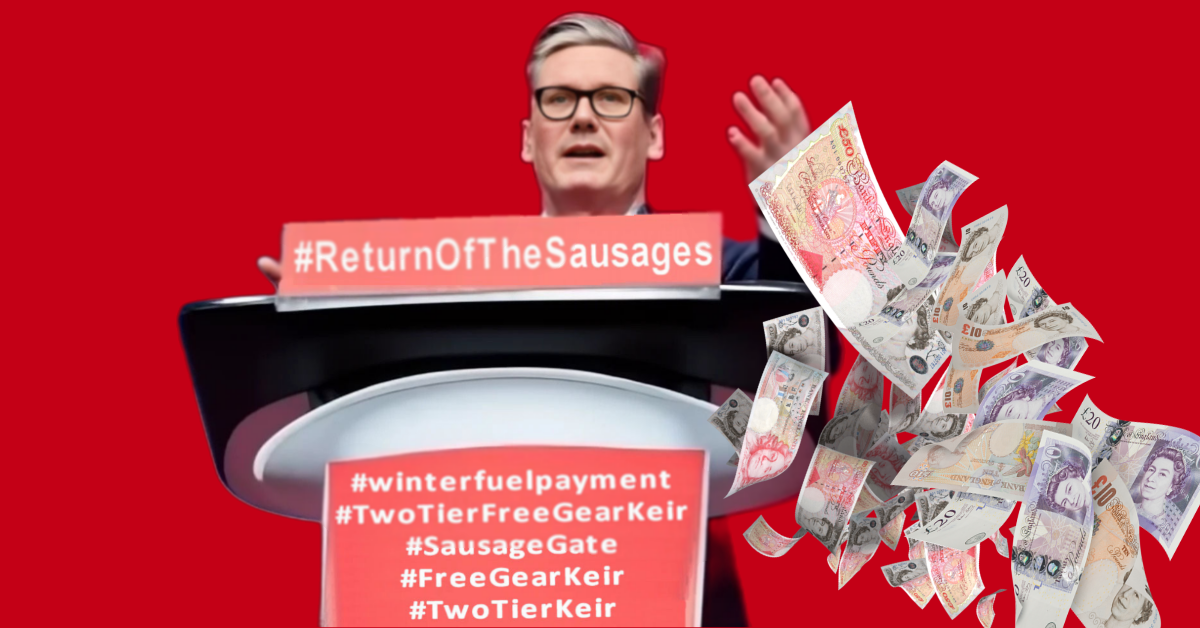
Introduction
Kier Starmer has become a significant figure in British politics as the leader of the Labour Party since April 2020. His leadership marks a vital shift in the party’s direction, especially in light of the challenges posed by the Conservative government and ongoing social issues. Starmer’s approach aims to revive Labour’s position as a credible alternative, addressing the concerns of current socio-economic climate, while also appealing to a diverse electorate.
The Ascension of Kier Starmer
Before entering politics, Starmer had an illustrious career as a barrister and then served as the Director of Public Prosecutions (DPP) from 2008 to 2013, drawing on his legal expertise while advocating for justice reform. He was elected as the Member of Parliament for Holborn and St Pancras in May 2015. Starmer’s rise to leadership followed Jeremy Corbyn’s tenure, during which the party saw internal divisions and a decline in electoral support. Starmer won the leadership election with a mandate to unite the party and reposition it towards the political centre.
Current Political Landscape
As leader, Starmer has focused on significant issues such as the COVID-19 pandemic recovery, health care reform, and climate change. His recent policies emphasize improving the National Health Service (NHS), addressing inflation, and tackling the cost-of-living crisis that has increasingly affected households across the UK. He has also been vocal on social justice issues, advocating for policies that resonate with younger voters and under-represented communities.
The Labour Party under Starmer has also emphasised accountability and transparency, challenging the Conservative government on several fronts including economic mismanagement and public service cuts. His strategy involves framing Labour as a party of competent governance that cares about the people it serves.
Conclusion
Kier Starmer’s tenure as the leader of the Labour Party is still in the early stages, but the implications of his leadership are significant for UK politics. With looming elections, including the next general election in 2024, Starmer’s ability to maintain party unity while appealing to a broad electorate will be crucial. His focus on practical policies, combined with a commitment to social justice, positions him as a formidable contender against the Conservative Party. The coming months are critical as political analysts closely watch whether Starmer can reshape Labour’s narrative and reclaim its historical place as a mainstay in British politics. For voters, his leadership style and policy emphasis could reshape their engagement with the political process and inform their choices in the polls.