









Introduction
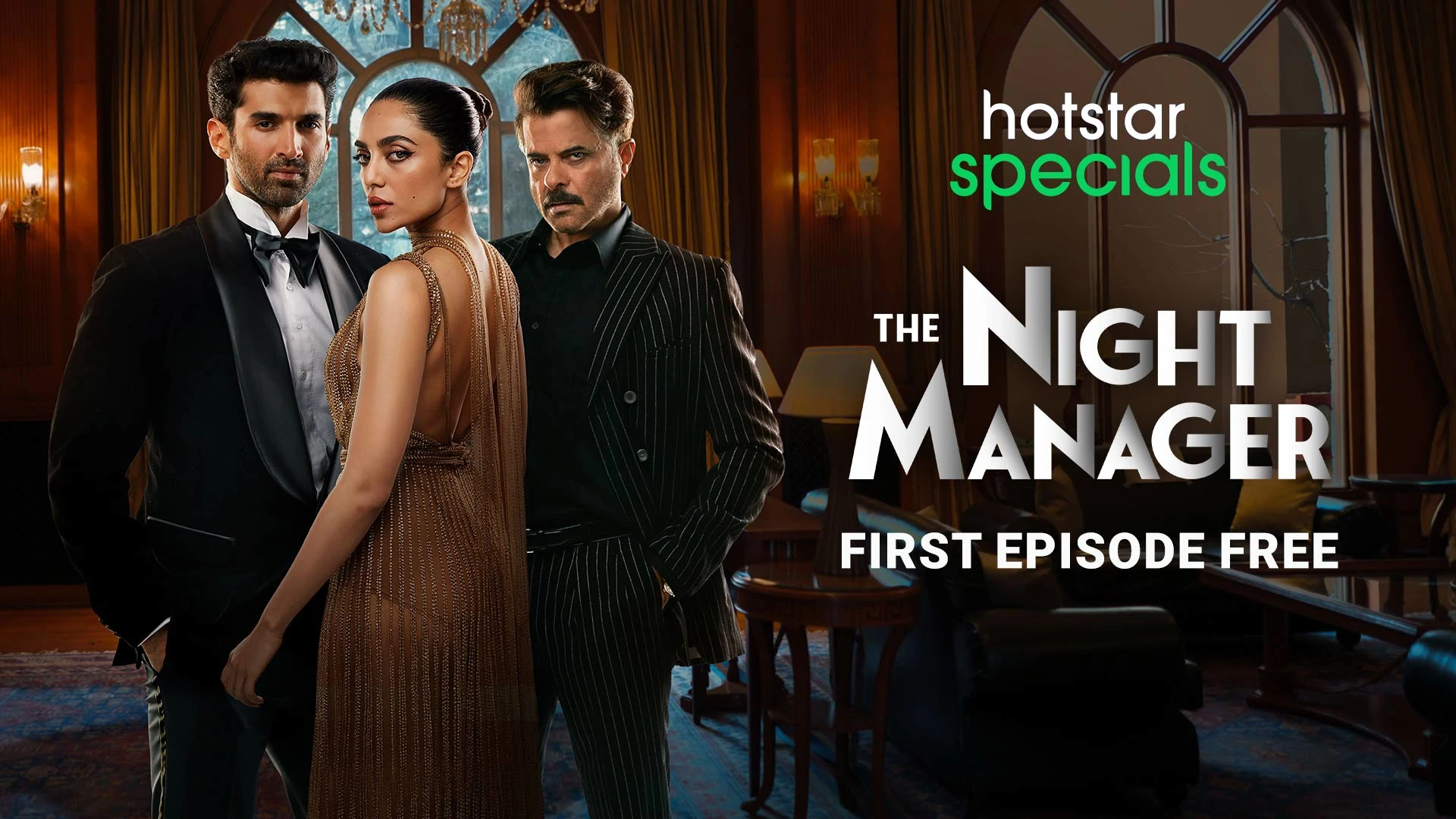
The Night Manager, both in its original literary form and its recent television adaptation, has become a significant cultural phenomenon. Written by John le Carré and later adapted by the BBC and AMC, the narrative interweaves themes of espionage, betrayal, and the morally ambiguous nature of men and women at play in the shadowy world of international arms dealing. This gripping storyline resonates strongly with contemporary audiences, making it an essential topic of discussion today.
The Storyline and Adaptation
The central plot revolves around Jonathan Pine, a former British soldier turned hotel night manager, who becomes embroiled in a high-stakes undercover operation against a dangerous arms dealer, Richard Roper. The recent television adaptation, featuring Tom Hiddleston as Pine and Hugh Laurie as Roper, has amplified interest in the narrative, showcasing powerful performances and stunning cinematography.
The series, which aired in 2016, is lauded for its layered storytelling and complex character developments, echoing le Carré’s original intent while making it accessible to a modern audience. Critics have praised the adaptation for its tension-building and high production values, effectively engaging viewers from start to finish.
Themes and Significance
The Night Manager touches on various themes that are especially relevant today, including the ethical dilemmas of war, the consequences of capitalism, and the intricate web of international relations. The character arcs in the series examine loyalty, morality, and human connection in an increasingly fragmented world, reflecting uncertainties faced by audiences in real life.
Moreover, the character of Jonathan Pine serves as an Everyman caught in a larger game of power and machinations, a role that resonates with those who feel constrained by larger socio-political forces. The dichotomy between Pine and Roper exemplifies the struggle between good and evil, while also highlighting how thin the line can be when personal vendettas and national interests collide.
Conclusion
The legacy of The Night Manager continues to thrive, as discussions about espionage, personal motivation, and global politics remain at the forefront of societal concerns. The ongoing interest in the series indicates a desire for narratives that delve into the complexities of human motivations and the often murky realities behind headlines. As the world continues to grapple with shifting political landscapes and ethical questions surrounding arms, The Night Manager stands as a significant cultural artifact, inviting viewers to reflect on the nature of trust and deception in both personal and global contexts.