Introduction
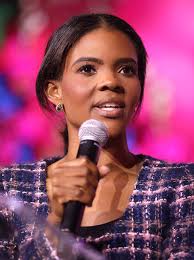
Candace Owens has emerged as a prominent figure in the modern political landscape, known for her bold positions and outspoken commentary. As a conservative commentator and author, Owens has gained significant traction on social media platforms, making her a pivotal voice among young conservatives. Her relevance continues to grow, especially as debates around identity, race, and political ideology intensify in the United Kingdom and beyond.
Background and Career
Born in 1989 in Stamford, Connecticut, Owens initially gained recognition through her work in digital media and later as the communications director for the conservative activist group, Turning Point USA. Her rise to prominence can be traced back to her viral videos on social media, where she criticises liberal ideologies, particularly those surrounding race and feminism. In 2018, she further solidified her public persona with the launch of her book, “Blackout: How Black America Can Make Its Second Escape from the Democratic Plantation,” which critiques the Democratic Party’s relationship with African American voters.
Recent Developments
In recent months, Owens has continued to make headlines. She recently made appearances on various media outlets, discussing key issues such as freedom of speech, Covid-19 vaccine mandates, and other contentious topics. Additionally, her presence at political rallies and events has drawn considerable attention, often sparking both support and backlash. For instance, during the Conservative Party’s conference this year, Owens spoke passionately about her vision for the future of conservatism, emphasising individual liberties and personal responsibility.
Controversies
Despite her growing influence, Owens remains a polarising figure. Critics often label her views as divisive and incendiary, particularly around topics of race and social justice. Her sharp criticisms of the Black Lives Matter movement and statements regarding systemic racism have sparked significant debate within both conservative and liberal circles. The present political climate, characterised by extreme polarisation, has only heightened the scrutiny of her statements and policies.
Conclusion
The impact of Candace Owens on contemporary politics cannot be overstated. As she continues to gain followers and influence the conservative movement, her ability to shape narratives around key political issues will be closely watched. For her supporters, Owens represents a fresh and unapologetic voice for conservatism, while her adversaries see her as a symbol of the growing ideological divide in society. As political discussions evolve, the significance of figures like Owens in shaping public discourse will remain crucial for understanding the trajectory of modern political ideologies.