







Introduction
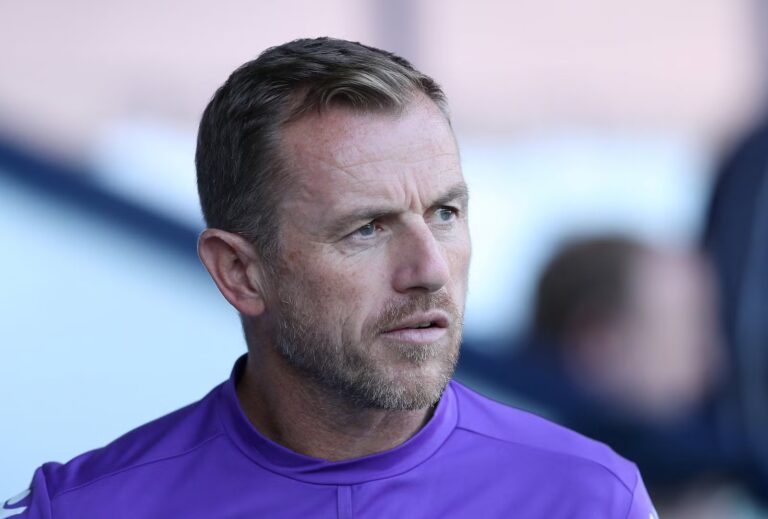
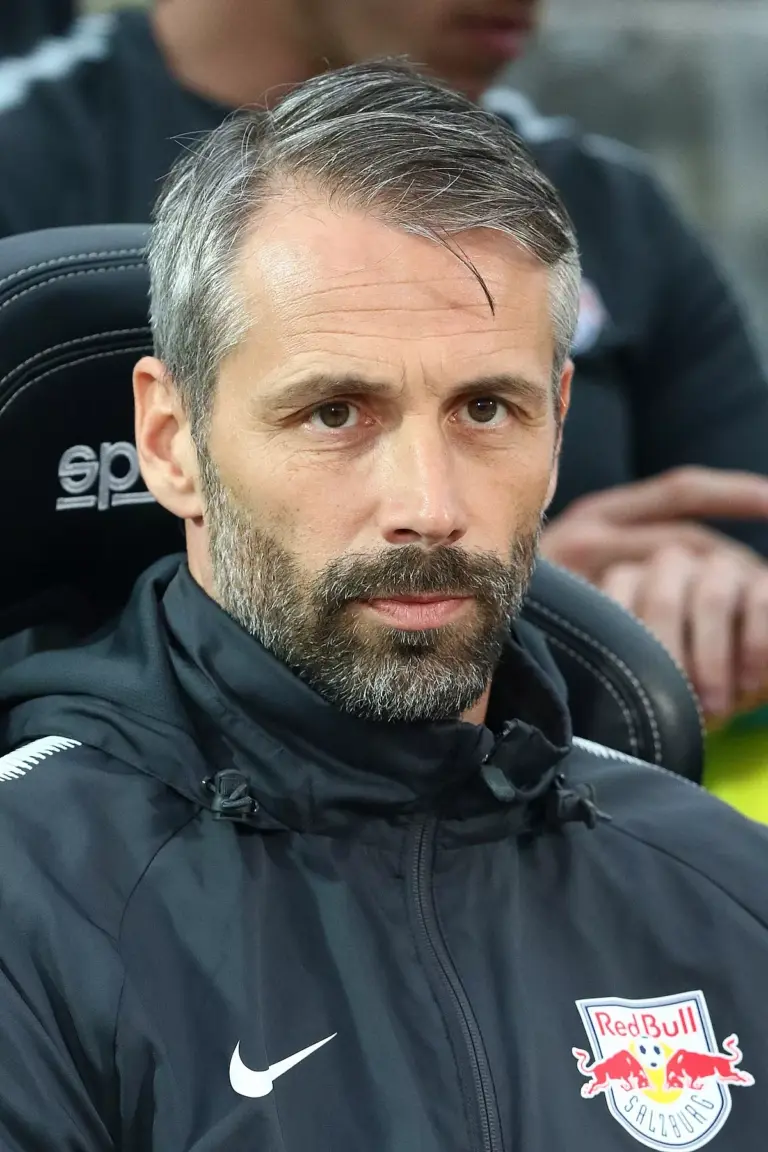
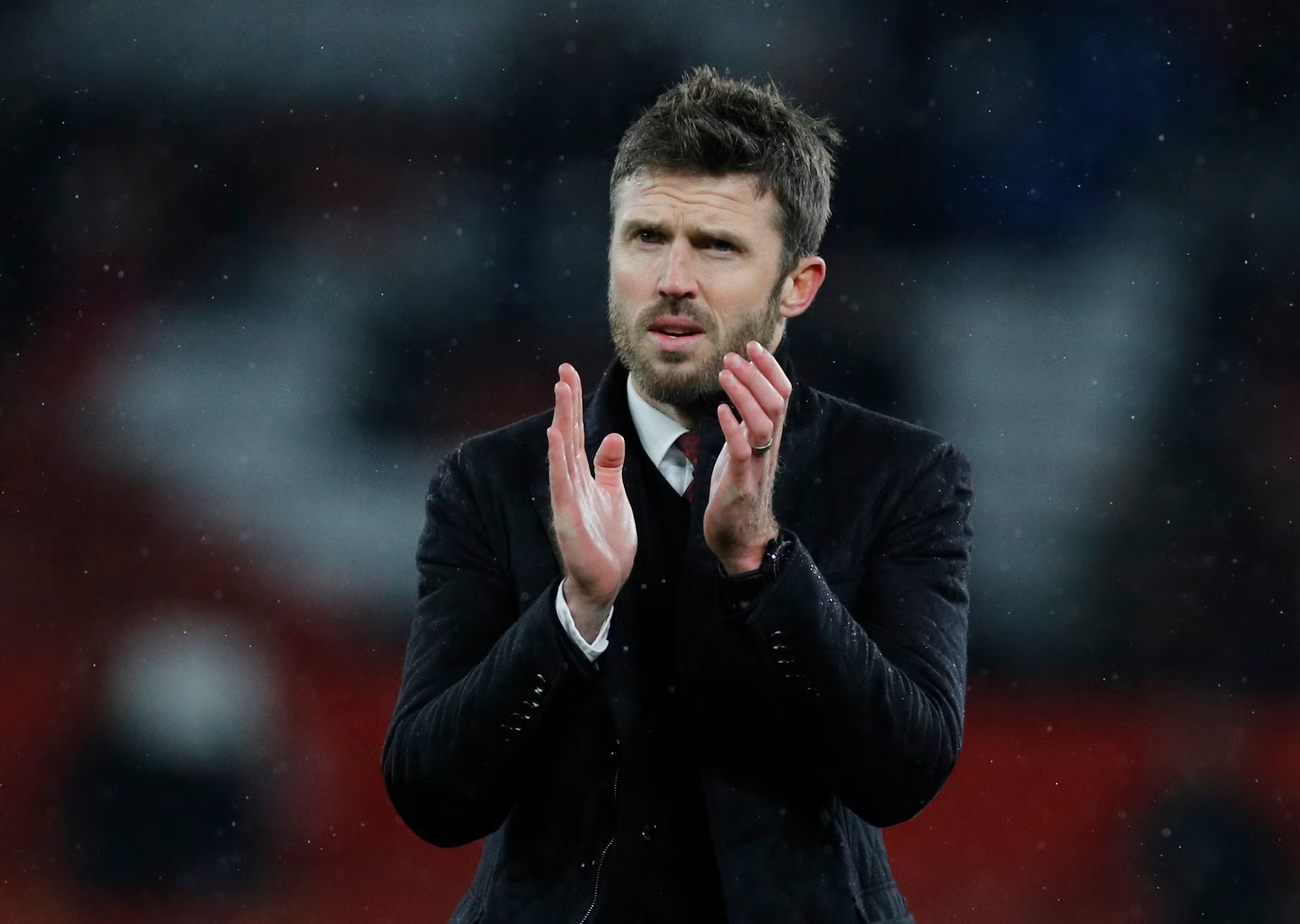
Michael Carrick, the former Manchester United stalwart, has recently embarked on a promising managerial career, which highlights the increasing trend of former players transitioning into management roles. His significance in the football world is underscored by his rich playing history and tactical acumen, making his managerial journey one to watch closely. As the football landscape evolves, understanding Carrick’s approach offers insights into the future of the sport and management styles that appeal to current and aspiring football executives.
Rise to Management
After retiring from professional football in 2018, Carrick transitioned into a coaching role, initially serving as a coach at Manchester United under various management teams. In November 2021, he stepped in as interim manager following the dismissal of Ole Gunnar Solskjær, achieving commendable results by steering the team to key victories, showcasing his practical knowledge and leadership skills.
Current Role
In June 2022, Carrick took the managerial reins at Middlesbrough in the EFL Championship. His appointment marked a new chapter, with Carrick determined to restore the club’s fortunes and dynamically influence the team’s style of play. Under his guidance, Middlesbrough has seen significant improvements and performances characterised by tactical discipline and attacking flair, aspects Carrick is known for as a player.
Achievements and Challenges
Since assuming the managerial role, Carrick has achieved clear milestones, including several key wins that have placed Middlesbrough in contention for promotion. Carrick’s ability to motivate and develop players is glaringly evident, as young talent flourishes under his mentorship. However, he faces challenges in a highly competitive league, where consistent performance is crucial for success. Navigating these challenges will be pivotal in determining his long-term legacy as a manager.
Future Prospects
The future looks promising for Carrick, not only at Middlesbrough but also as he establishes his identity as a manager. Continued success could lead to opportunities in higher leagues or clubs, potentially in the Premier League, where Carrick’s experience as a former player would be invaluable. As he carves out his path in management, the football community is keenly observing how he balances the dual influences of his playing background and evolving tactical philosophy.
Conclusion
Michael Carrick’s role as a manager has significant implications for both his career and the clubs he leads. As he continues to grow and evolve, Carrick embodies the potential for former players to make a substantial impact in football management. His journey offers hope for budding managers and serves to illustrate the ongoing evolution of the game.