




Introduction
Iran has been in the global spotlight as numerous events unfold that have significant implications for its political landscape, social fabric, and international relations. From widespread protests to shifts in government policy, understanding what’s happening in Iran is crucial for comprehending the complexities of Middle Eastern geopolitics. This article delves into the current state of affairs in Iran and discusses important developments that could shape the future of the nation.
Ongoing Protests and Civil Unrest
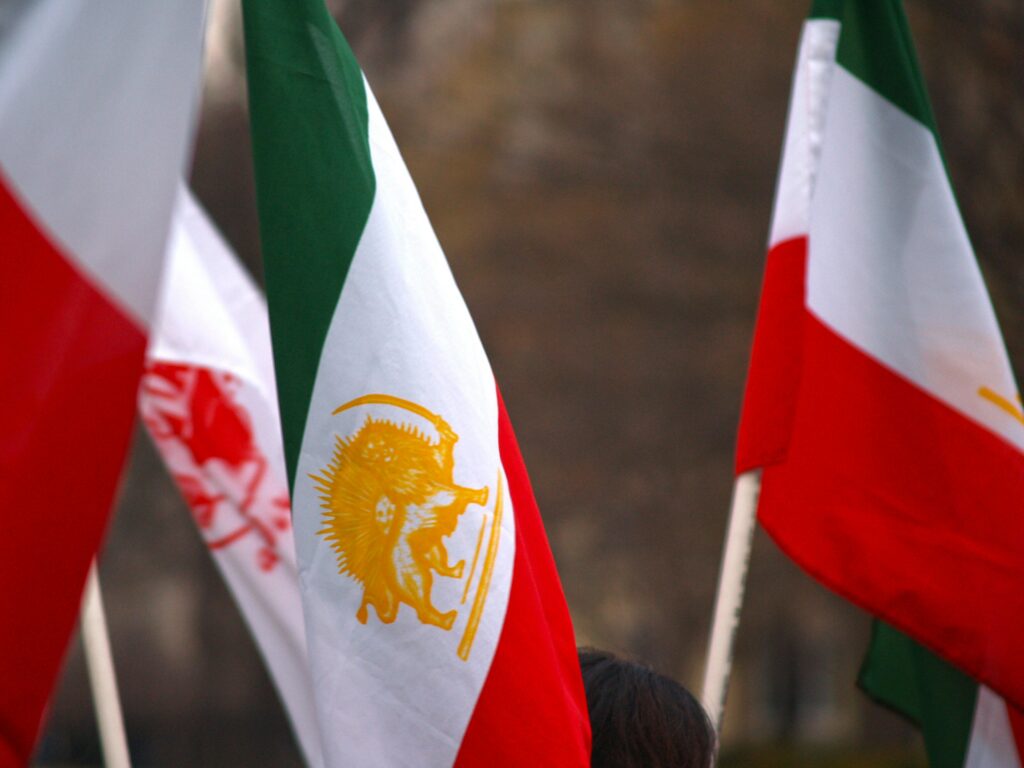
Since the late 2022 protests sparked by the death of Mahsa Amini, a young woman who died in police custody, Iran has witnessed a surge in popular dissent. Demonstrators have voiced their demands for both social justice and political reform, with slogans calling for the end of the Islamic Republic’s strict rule. According to reports from local rights groups, these protests have led to a heavy crackdown by the authorities, with thousands arrested and several reported deaths. As of October 2023, protests continue in various cities, highlighting the public’s dissatisfaction with economic hardships, government oppression, and demands for women’s rights.
Government Responses
The Iranian government has taken a hardline approach to the protests, deploying security forces to quash dissent and manipulate narratives through state-controlled media. Recently, the government issued statements condemning the protests as foreign-instigated unrest. However, analysts suggest that the regime is struggling to maintain control over a populace increasingly frustrated by rampant inflation, unemployment, and a declining quality of life. Amidst ongoing unrest, there have been discussions among various factions within the government on potential reforms, though meaningful change remains uncertain.
International Relations and Sanctions
Iran’s relationships with other countries are also evolving amidst these internal challenges. The United States and European countries have continued to impose economic sanctions, particularly as Iran advances its nuclear programme. This has led to heightened tensions in the region, especially with Israel, which has conducted a series of military operations aimed at countering Iran’s influence. Diplomatic efforts have seen limited progress, as the recent talks aimed at reviving the Joint Comprehensive Plan of Action (JCPOA) have stalled, leaving many analysts predicting a tense standoff in the near future.
Conclusion
The situation in Iran is fluid and complex, characterized by an ongoing struggle between the government and a populace united in their demands for change. As protests continue to challenge the status quo, the international community is closely watching how these developments will unfold. The implications of Iran’s internal unrest and foreign relations could have far-reaching consequences for Middle Eastern stability, making it imperative for observers and policymakers alike to stay informed about what’s happening in Iran. Moving forward, it remains to be seen whether the pursuit of change will lead to reform or further turmoil.