





Introduction
The 2023 elections in Moldova are crucial not just for the nation’s political landscape but also for its future relationship with the European Union and regional stability. As a small but strategically located country, Moldova has faced significant challenges, including economic turmoil and geopolitical pressures from Russia, making the outcomes of these elections particularly significant.
The Current Political Climate
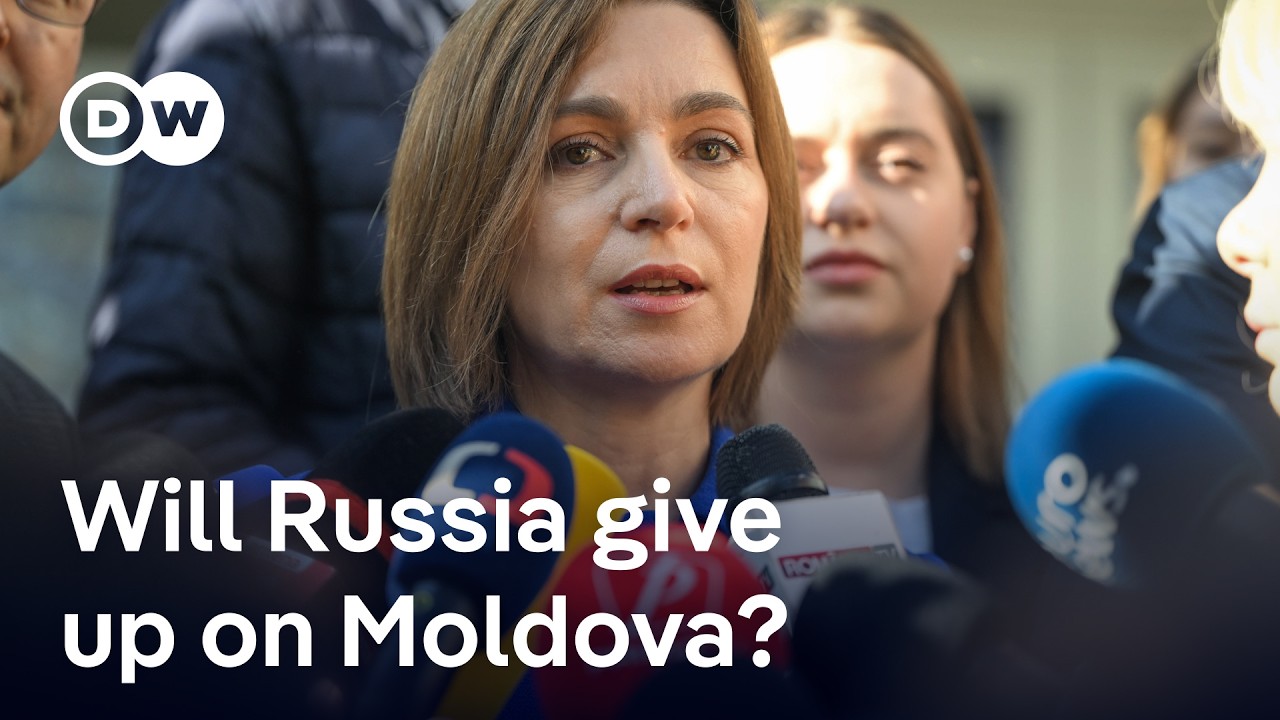
Moldova’s political environment is currently characterized by a tense struggle between pro-European parties and those aligned with Moscow. In the lead-up to the elections, President Maia Sandu, who represents the pro-European Action and Solidarity Party, has been advocating for reforms aimed at curbing corruption and advancing EU integration. Conversely, opposition parties, including the Socialist Party and the Shor Party, have been campaigning on platforms that promise economic stability and a pivot back towards Russia.
Key Events Leading Up to the Elections
In the months preceding the elections, there has been a noticeable increase in political tension. Protests organized by the opposition parties have erupted across the country, with accusations directed at the current administration regarding economic mismanagement and rising inflation, which exceeds 30% compared to last year. The government, meanwhile, has accused opposition leaders of orchestrating unrest with the backing of foreign powers, particularly Russia.
The elections are also being conducted amidst heightened security concerns due to the ongoing conflict in Ukraine. There are fears concerning potential interference from outside forces, which has led the government to increase security measures around polling stations and voter registration processes.
Predictions and Voter Sentiment
Polls indicate a close race, with the pro-European Action and Solidarity Party slightly ahead. However, voter sentiment remains uncertain due to economic pressures and the dissatisfaction of many unemployed citizens. Experts suggest that turnout will be critical; a high voter turnout could favour the incumbent government, while a low turnout may indicate public disillusionment.
Conclusion
The 2023 Moldova elections carry weighty implications for both domestic policy and international relations. As the nation heads to the polls, the results will likely influence Moldova’s path toward European integration or a return to Russian influence. Observers both within and outside Moldova are keenly watching how the electorate responds to the current political climate, indicating a pivotal moment for the nation’s democratic future and stability in the region.