










Introduction
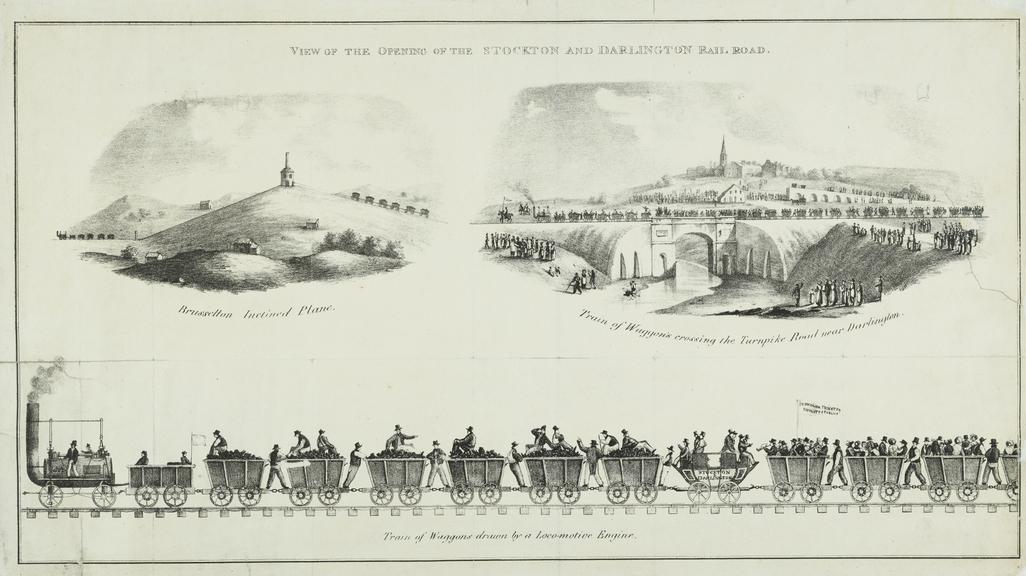
The Stockton and Darlington Railway (SDR) holds historical significance as it was the world’s first public railway to utilize steam locomotives, forever changing the landscape of transportation. Opened on September 27, 1825, this innovative transport system connected Stockton-on-Tees to Darlington in County Durham, England, marking an essential milestone in the Industrial Revolution. Today, the SDR’s legacy continues to resonate as it showcases the impact of rail transport on societal structure and economic development.
Historical Context
Initiated as a means to transport coal from mines near Darlington to the port at Stockton, the SDR was engineered by George Stephenson, who is known as the “Father of Railways.” The railway was designed to facilitate the burgeoning coal industry and was instrumental in establishing rail transport in the UK and beyond. The successful operation of steam-powered locomotives such as the “Locomotion No. 1” symbolised a shift from horse-drawn carts to faster, steam-driven transports. Over the course of its operation, the SDR demonstrated remarkable speed and efficiency compared to previous methods.
Impact and Legacy
Beyond just coal transportation, the SDR played a crucial role in the socioeconomic transformation of the region. By connecting different parts of the community, it not only ensured quicker movement of goods but also fostered communication and commerce. Towns expanded, populations grew, and the accessibility spurred additional industrial activities. The success of the SDR inspired further railway projects across the UK and spurred international interest in railway systems, showcasing the importance of innovation in meeting the transport needs of society.
Modern-Day Recognitions
In recognition of its groundbreaking contributions to transportation, the Stockton and Darlington Railway was designated a UNESCO World Heritage Site in 2008. Preservation efforts have succeeded in maintaining elements of the original railway infrastructure, featuring several key sections still in operation today as a heritage railway. Annual events celebrate the historical legacy of the SDR, drawing thousands of visitors eager to witness the birth of modern transportation.
Conclusion
The Stockton and Darlington Railway stands not just as a marvel of engineering, but as a testament to human ingenuity and its ability to reshape economies and societies. As we reflect on its 200 years of history, it is essential to recognise the enduring significance of the SDR in our continual quest for advancement in travel and commerce. As we look to the future, this legacy reminds us of the importance of embracing innovation, pushing the boundaries of technology, and maintaining the spirit of progress.