







Introduction
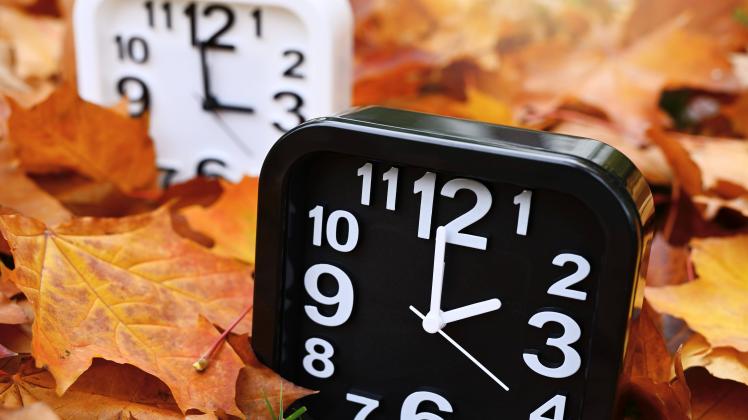
As autumn approaches, the conversation about the seasonal time change resurfaces: when do clocks go back? This adjustment, which takes place in late October in the UK, marks the end of Daylight Saving Time (DST) and has significant implications for daily living, including health, safety, and energy consumption.
The Shift in Time
In the UK, clocks go back by one hour at 2:00 AM on the last Sunday of October. In 2023, this means that the clocks will turn back to 1:00 AM on October 29. This biannual clock adjustment aims to make better use of daylight available during the evenings of summer months, but it presents challenges when transitioning back to standard time.
Significance of Daylight Saving Time
The impact of changing clocks goes beyond just an hour of sleep. The move from British Summer Time (BST) to Greenwich Mean Time (GMT) reintroduces longer evenings with reduced daylight, which can affect moods and routines. Research has indicated that the shift can contribute to sleep disorders, increased road accidents, and even heart problems immediately after the change. According to a study conducted by the American Journal of Cardiology, the risk of heart attacks may rise following the springtime shift, highlighting the potential health implications.
Public Opinion and Changes Ahead
Public sentiment about DST has become increasingly critical, with many advocating for the abolition of the clock change altogether. Several surveys indicate that a significant portion of the population finds the adjustment disruptive. In 2019, the European Parliament voted in favour of ending seasonal clock changes by 2021, although this has not yet been implemented across all member states. This debate continues, as proponents of DST argue its benefits for energy savings, while opponents cite health and societal costs.
Conclusion
The time change and the question of when clocks go back is relevant for many, signalling the onset of darker evenings and a shift in lifestyle for some. As society evolves, so does the understanding of how time affects health and productivity. Future discussions on the permanence of DST alterations could redefine our daily experiences, leading to a potential reassessment of how we perceive time itself.