Introduction
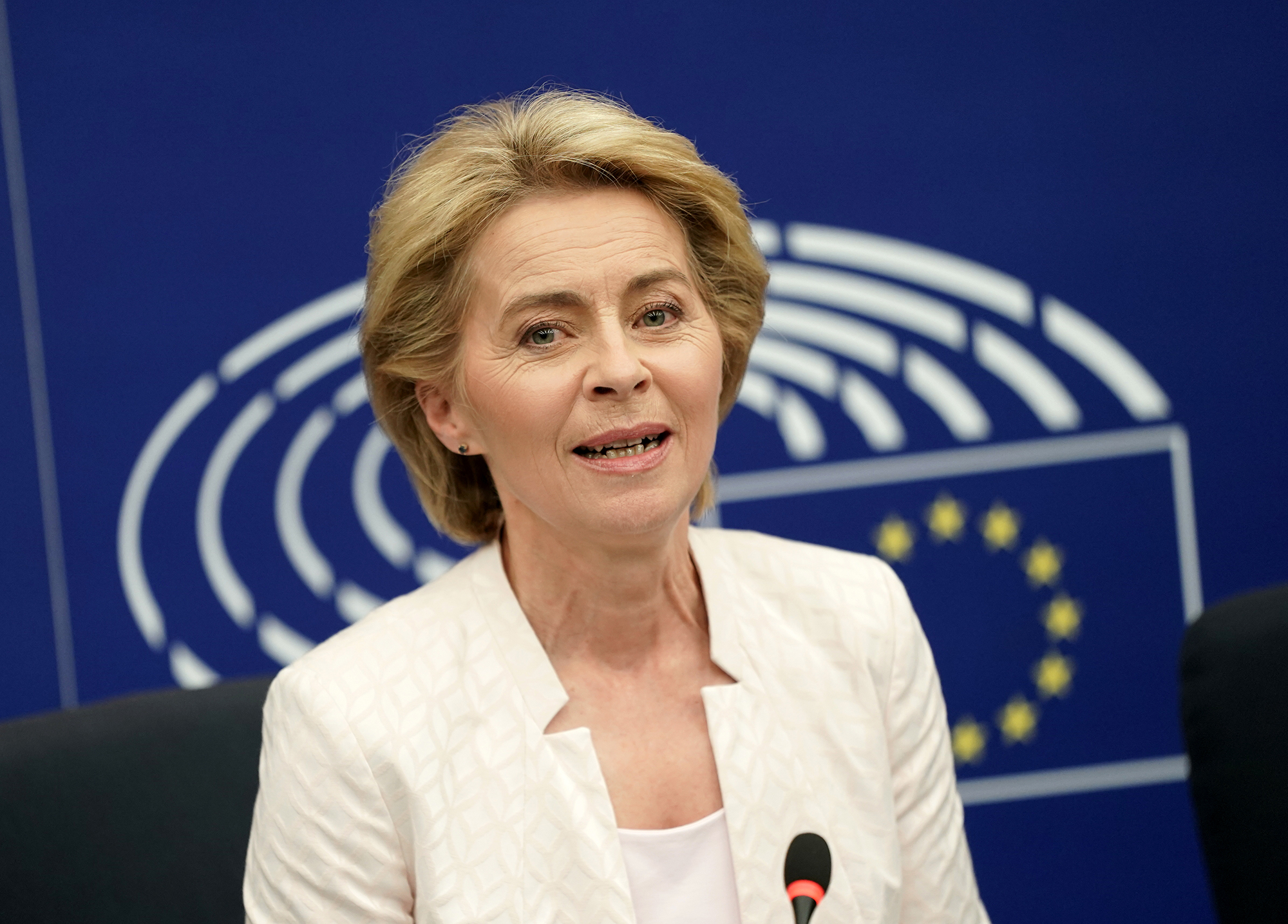
Ursula von der Leyen, President of the European Commission since December 2019, has become a pivotal figure in European politics. Her leadership during significant events, such as the COVID-19 pandemic and climate change initiatives, has garnered attention worldwide. As the first woman to hold this position, her policies and decisions are shaping the future of the European Union (EU) and its member states.
Key Policies and Achievements
Under von der Leyen’s presidency, the EU has taken unprecedented steps towards achieving a sustainable future. The European Green Deal, which aims to make Europe the first climate-neutral continent by 2050, has been one of her flagship initiatives. In 2023, the EU set more ambitious climate goals, significantly reducing emissions targets and promoting green technologies. Furthermore, von der Leyen has been an advocate for digital transformation, supporting policies that encourage technological innovation across Europe.
In response to the COVID-19 pandemic, von der Leyen played a crucial role in coordinating the EU’s response. She was instrumental in the allocation of funds from the Recovery and Resilience Facility, which provided substantial financial support to member states to rebuild their economies. This response has helped boost public health infrastructures and accelerate vaccination campaigns across the continent.
Challenges Faced
Despite her successes, von der Leyen has faced criticism and challenges. The EU’s internal divisions over migration policy and rule of law issues in member states like Poland and Hungary have tested her leadership. Additionally, her handling of the ongoing energy crisis, exacerbated by the war in Ukraine, has required delicate navigation to maintain unity among member states while addressing the immediate threats to energy security.
Conclusion
Ursula von der Leyen’s tenure as President of the European Commission underscores her significant impact on European politics. With her focus on sustainability, digitalisation, and public health, she is steering the EU through complex international challenges. As her leadership continues to evolve, the outcomes of her policies will be critical in shaping the future of not just Europe, but the global community as well. Observers will be keen to watch her strategic decisions as the EU faces critical junctures ahead, particularly in light of geopolitical tensions and climate emergencies.