Introduction
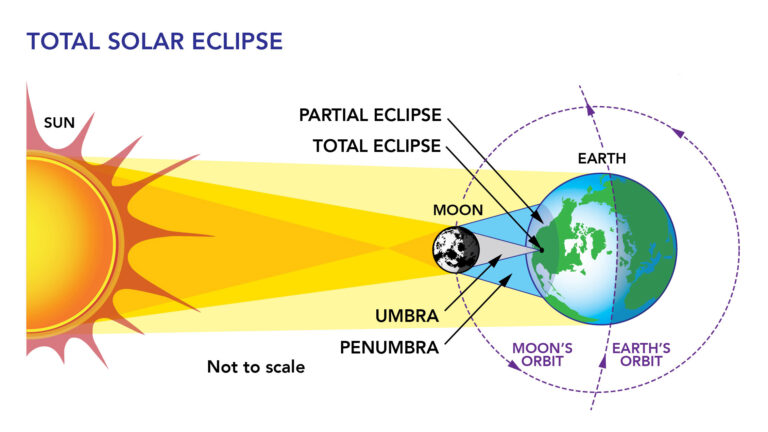
The Saros cycle is a significant and fascinating phenomenon in the realm of astronomy, particularly concerning the prediction of solar and lunar eclipses. Spanning approximately 18 years, 11 days, and 8 hours, this cycle provides a framework for understanding when and where eclipses will occur. It has been utilised by astronomers for centuries to chart eclipse events and is especially relevant as we anticipate ongoing celestial changes.
What is the Saros Cycle?
The Saros cycle originates from the ancient civilizations, including the Babylonians, who were among the first to observe the repeating patterns of lunar and solar eclipses. Each Saros consists of a series of eclipse events that occur every 6,585.3 days, allowing astronomers to predict eclipses with remarkable accuracy. The cycle forms when the Sun, Earth, and Moon return to approximately the same relative positions in regard to each other, making it pivotal for both historical and modern astronomy.
Recent Eclipses and Future Predictions
Just recently, on October 14, 2023, a annular solar eclipse occurred, marking the ending phase of one Saros series that started in 2001. With the recent event still fresh in memory, the next set of related eclipses can be traced back using the Saros cycle, providing astronomers with the ability to predict future eclipses. The next significant eclipse from this cycle will take place in 2041, demonstrating the cycle’s remarkable long-term consistency and utility.
Importance of the Saros Cycle
The relevance of the Saros cycle extends beyond mere prediction; it plays a significant role in fostering interest and understanding of astronomy among the public. Eclipses attract attention globally, and the ability to forecast them accurately enhances appreciation for celestial mechanics. Educational institutions often leverage eclipse events to inspire students and ignite curiosity about the universe.
Conclusion
In summary, the Saros cycle is a testament to the intricate patterns that govern our celestial system. As we anticipate future eclipses, it underscores the importance of sustained scientific inquiry into our universe. For astronomy enthusiasts and casual observers alike, understanding the Saros cycle enriches the experience of witnessing these awe-inspiring events, connecting us to both past discoveries and future exploration.