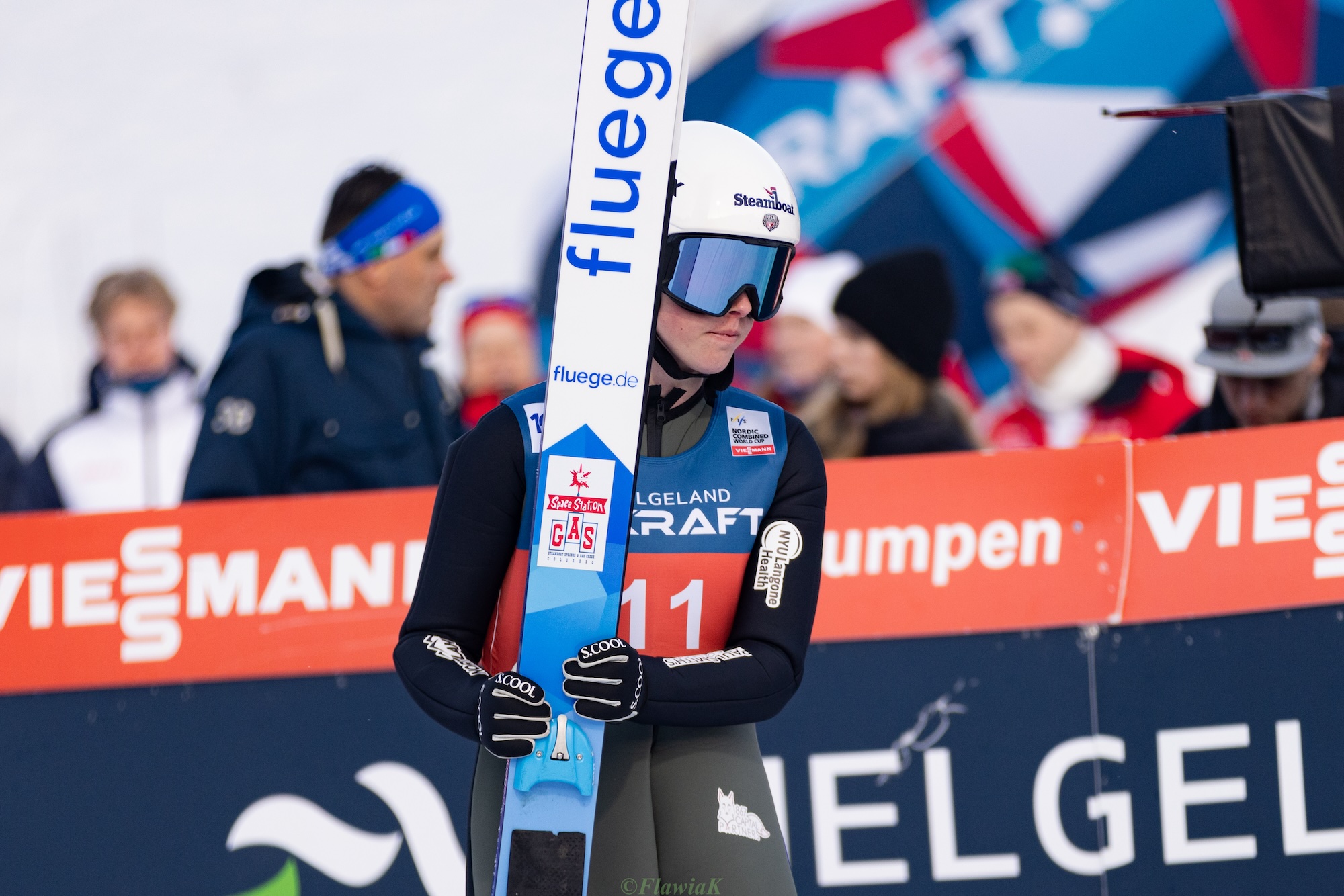
Introduction to Nordic Combined
Nordic Combined is a captivating winter sport that merges the skills of cross-country skiing and ski jumping. It is recognised for its historical roots and significant presence in winter sports competitions, including the Winter Olympics. The sport’s distinctiveness lies in its combination of endurance and precision, making it a highlight for both participants and spectators alike. With its increasing popularity and the growing number of events, understanding Nordic Combined is essential for appreciating the broader landscape of winter sports.
The Structure of Nordic Combined Competition
Nordic Combined events generally consist of two disciplines: a ski jumping segment followed by a cross-country race. Competitors first tackle the ski jumping part, where they receive scores based on distance and style, before racing in cross-country skiing, with the time taken from the ski jump added to their total score. The athlete with the lowest score at the end of both segments is declared the winner.
Recent Developments in Nordic Combined
In recent years, there has been a push for greater inclusivity within Nordic Combined, with the anticipation of introducing a women’s category in the discipline. Women have been competing in ski jumping since 2014, yet opportunities in the combined format are still scarce. Recently, the International Ski Federation (FIS) announced plans to introduce women’s events by the next Winter Olympics in 2026, reflecting the evolving dynamics of gender participation in sports. Additionally, the introduction of mixed-gender events might also reshape competition structures in the future.
The Future of Nordic Combined
As we move towards the next Winter Olympics, experts believe that Nordic Combined’s profile could significantly rise. The inclusion of women’s events is forecasted to attract new audiences and participants, thereby injecting fresh energy into the sport. With increased emphasis on youth participation and development programs, especially in countries with a strong winter sports tradition like Norway, Germany, and Japan, the future looks promising.
Conclusion
Nordic Combined remains a sport rich in tradition and excitement, continuing to evolve with modern influences and social changes. As the landscape of winter sports shifts, the importance of Nordic Combined cannot be underestimated. For fans and potential athletes, its appeal lies not just in the competition but also in its unique combination of skiing disciplines that test both physical endurance and technical skill. The forthcoming years may well see a transformed view of Nordic Combined, making it an exciting area to follow for both sports enthusiasts and new viewers.