









Introduction
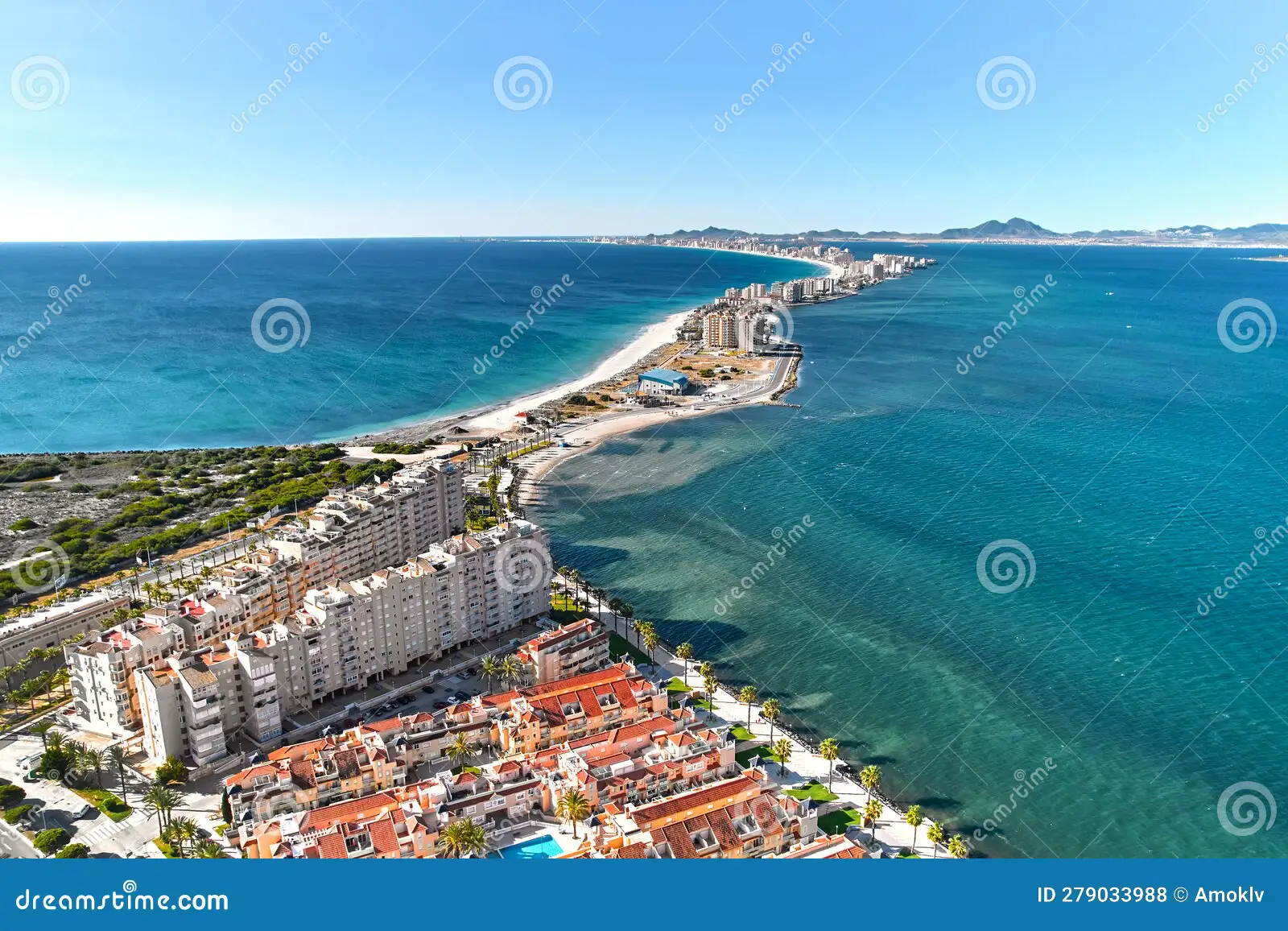
The Mar Menor, Europe’s largest saltwater lagoon, is a significant ecological and cultural treasure located in the Murcia region of Spain. Its unique ecosystem, tourist appeal, and recreational opportunities make it a vital area that attracts attention from environmentalists, scientists, and tourists alike. Understanding the current state of the Mar Menor is crucial, especially as it faces considerable environmental challenges that threaten its existence.
Current State of the Mar Menor
Recent reports indicate that the Mar Menor has been facing alarming environmental issues, primarily due to pollution, agricultural runoff, and climate change. Agricultural practices in the surrounding areas have contributed to nutrient loading in the lagoon, leading to detrimental algal blooms, which deplete oxygen levels and pose a threat to marine life. A 2022 study highlighted that the lagoon has lost significant biodiversity, pushing many species to the brink of extinction.
Government and Community Response
In response to the escalating crisis, the regional government of Murcia has initiated several measures. This includes the implementation of a new action plan aimed at enhancing water quality and protecting marine habitats. Local community groups and environmental organisations have also been mobilising efforts to raise awareness about the threats facing the Mar Menor, urging for sustainable agricultural practices and stricter pollution controls.
The Role of Tourism
Tourism plays an essential role in the region’s economy; however, it also adds pressure to the lagoon’s environment. Educational tourism initiatives are being encouraged to inform visitors about the ecological significance of the Mar Menor while promoting responsible interaction with its natural resources. The recent ‘Mar Menor Day’ event held in October gathered thousands of participants advocating for the lagoon’s protection, showcasing the community’s commitment.
Conclusion
The future of Mar Menor hangs in the balance, but with ongoing conservation efforts and growing public awareness, there is hope for recovery. It is crucial for policymakers, communities, and visitors to work together to ensure the protection of this unique lagoon. The Mar Menor serves as a stark reminder of the delicate balance between human activity and natural ecosystems, underscoring the importance of sustainable practices for the health of our planet.