







Introduction
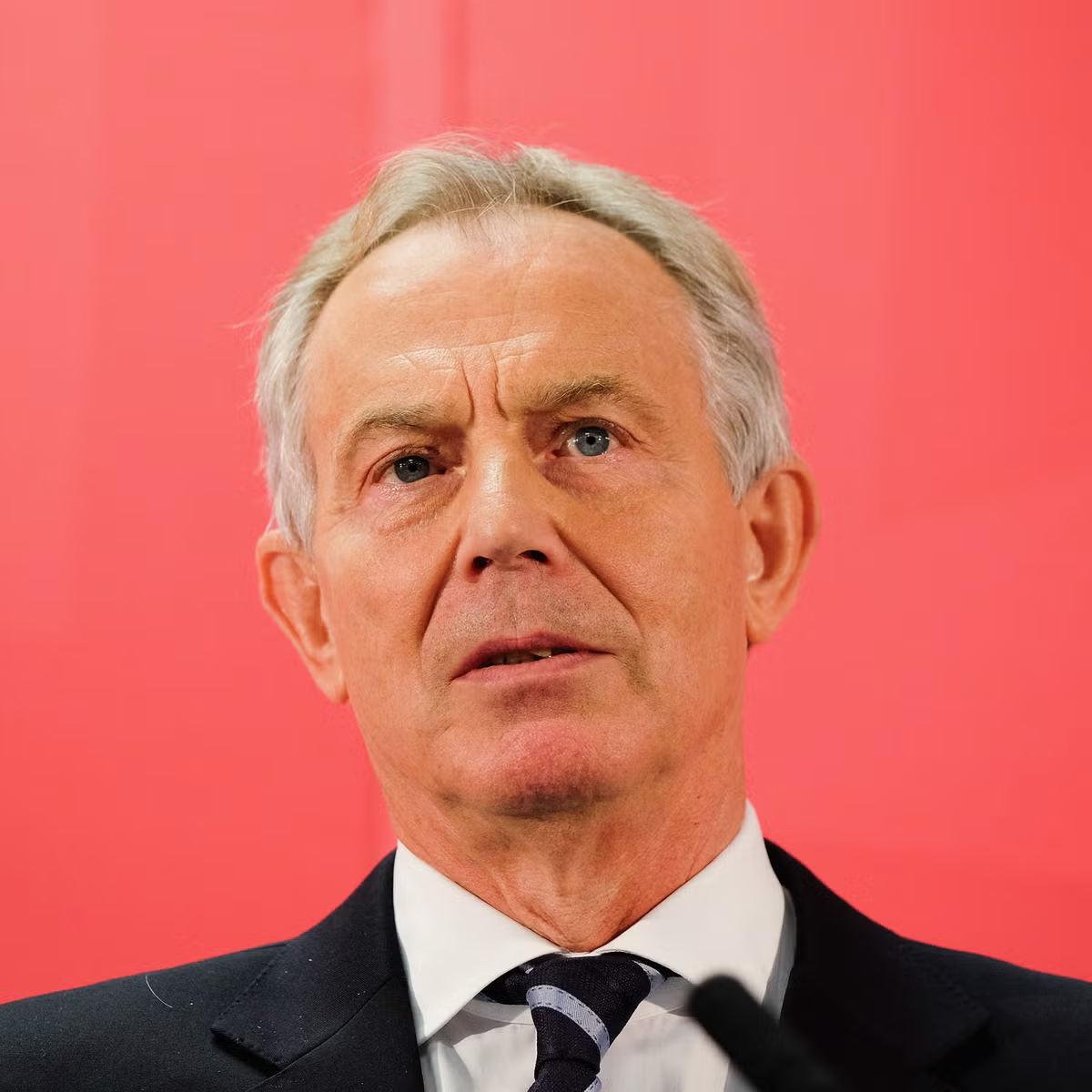
Tony Blair, the former Prime Minister of the United Kingdom from 1997 to 2007, played a pivotal role in shaping the political landscape of modern Britain. His tenure marked significant shifts in policy and ideology, contributing to what many refer to as ‘New Labour’. Blair’s influence on both national and global stages continues to be a topic of discussion and analysis, particularly in light of recent political events.
Key Policies and Initiatives
Blair’s leadership was characterised by various landmark policies that aimed to modernise the UK’s economy and public services. One of his most significant achievements was the introduction of the National Minimum Wage in 1999, aimed at reducing poverty among workers. Additionally, his government implemented extensive reforms in health and education, resulting in increased funding and improved standards.
Internationally, Blair’s decision to support the United States in the Iraq War remains one of the most controversial aspects of his legacy. While it was initially framed as a mission to eliminate weapons of mass destruction, subsequent investigations revealed a lack of solid evidence supporting this claim. This decision not only impacted Blair’s popularity but also altered public perception of the Labour Party.
Current Influences and Activities
Since leaving office, Tony Blair has remained active in global politics and humanitarian efforts through the Tony Blair Institute for Global Change, which focuses on issues such as governance, economic development, and terrorism. His insights and critiques of current political trends, including Brexit and the rise of populism in the UK, demonstrate his continued relevance in political discourse.
Recently, Blair has voiced concerns over rising political extremism and the challenges facing liberal democracy, particularly in the context of the ongoing uncertainties in the UK and the broader European landscape. His push for a progressive agenda amidst increasing polarisation reflects his enduring commitment to centrist politics.
Conclusion
The legacy of Tony Blair remains a complex and contentious one, prompting ongoing debate among political scholars and the general public alike. As the UK navigates its post-Brexit identity and grapples with emerging global challenges, Blair’s perspectives and experiences may provide valuable insights. Looking ahead, his involvement in political commentary and advocacy can influence the future direction of centrist politics, making his contributions more significant than ever.