







Introduction
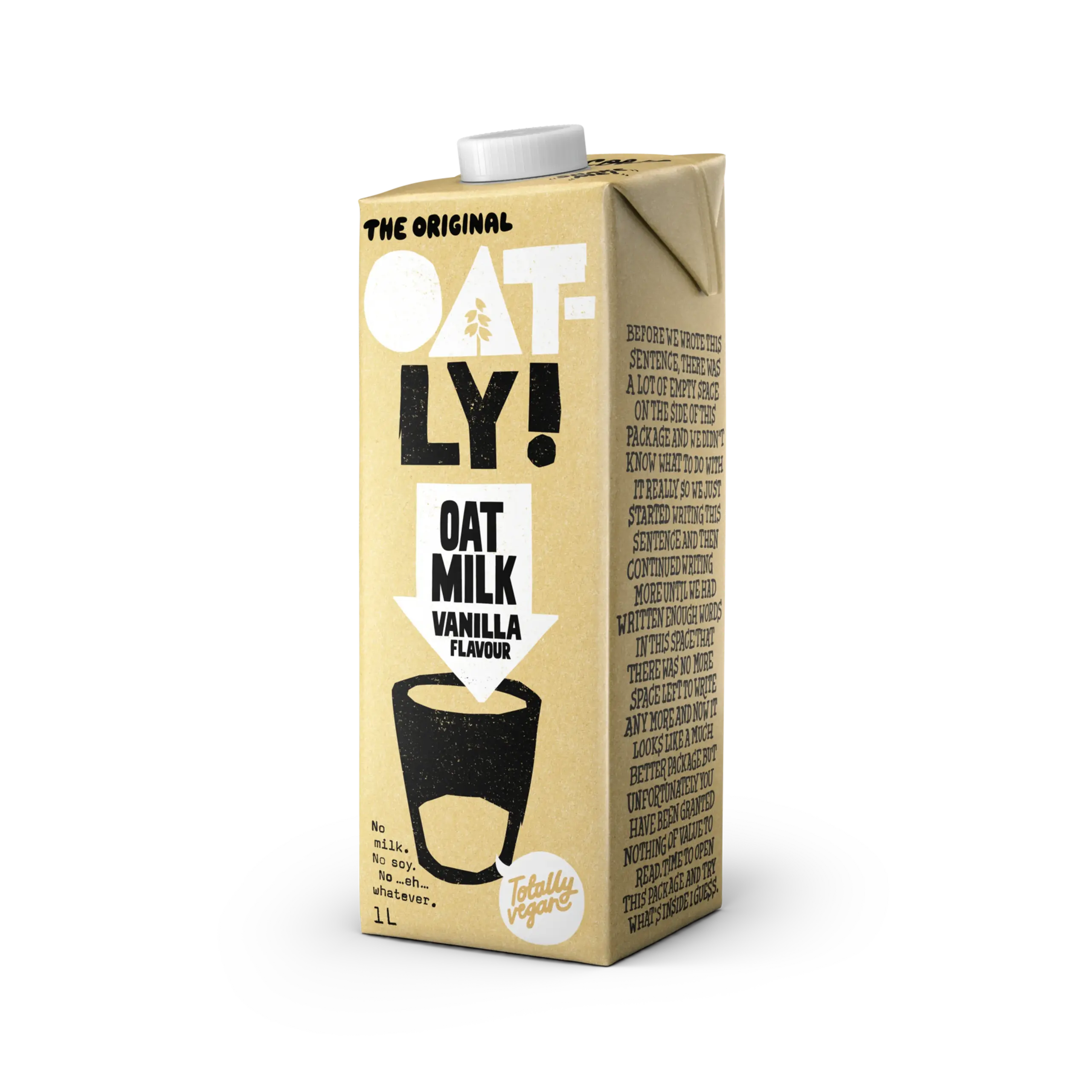
As consumers increasingly focus on health and sustainability, Oatly oat milk has emerged as a leading dairy alternative. Since its inception, Oatly has garnered attention not just for its unique product but for its commitment to sustainable practices and vegan-friendly options. The rise of oat milk reflects growing dietary changes and environmental consciousness among consumers worldwide.
The Surge in Popularity
Oatly, founded in Sweden in the 1990s, has gained immense traction in recent years, particularly following the vegan trend and growing awareness of lactose intolerance. According to a report by Grand View Research, the global oat milk market size was valued at over USD 4 billion in 2021 and is anticipated to grow significantly, with Oatly being one of the market leaders. This popularity can be attributed to its creamy texture and versatility in various recipes, from coffee to baking.
Sustainability and Health Benefits
One of the key factors driving the adoption of Oatly oat milk is its reduced environmental impact compared to traditional dairy. Oatly claims that its production uses significantly less water, land, and energy while also emitting fewer greenhouse gases. For instance, Oatly’s carbon footprint is reported to be around 73% less than that of dairy milk.
In terms of health, Oatly oat milk is cholesterol-free, low in saturated fats, and typically enriched with vitamins and minerals, making it a favourable option for those looking to improve their diet or seek alternatives. It is also suitable for those on lactose-free diets.
Recent Developments
In 2023, Oatly continued to innovate by launching new flavours and expanding its product line to include creamers and ice creams. The brand has also partnered with various cafés and restaurants in the UK, increasing its visibility and accessibility. Additionally, Oatly has been proactive in addressing concerns regarding its environmental impact and has committed to further reducing its carbon footprint as part of its ongoing sustainability initiatives.
Conclusion
The growing demand for Oatly oat milk illustrates a broader shift towards plant-based diets and environmentally-friendly practices. As more consumers seek dairy alternatives, Oatly’s commitment to sustainability and innovation positions it as a frontrunner in the market. For consumers, Oatly oat milk stands out as a healthy and delicious alternative, contributing not only to individual wellness but also promoting a more sustainable food system.