Introduction to Non Fungible Tokens
Non fungible tokens (NFTs) have emerged as a pivotal innovation in the digital economy, challenging traditional concepts of ownership and creativity. These unique digital assets are revolutionising various sectors, particularly art, gaming, and entertainment, by enabling secure ownership verification and trading on blockchain technology. As the popularity of NFTs continues to surge, understanding their implications and future potential becomes increasingly important for both creators and consumers.
What Are Non Fungible Tokens?
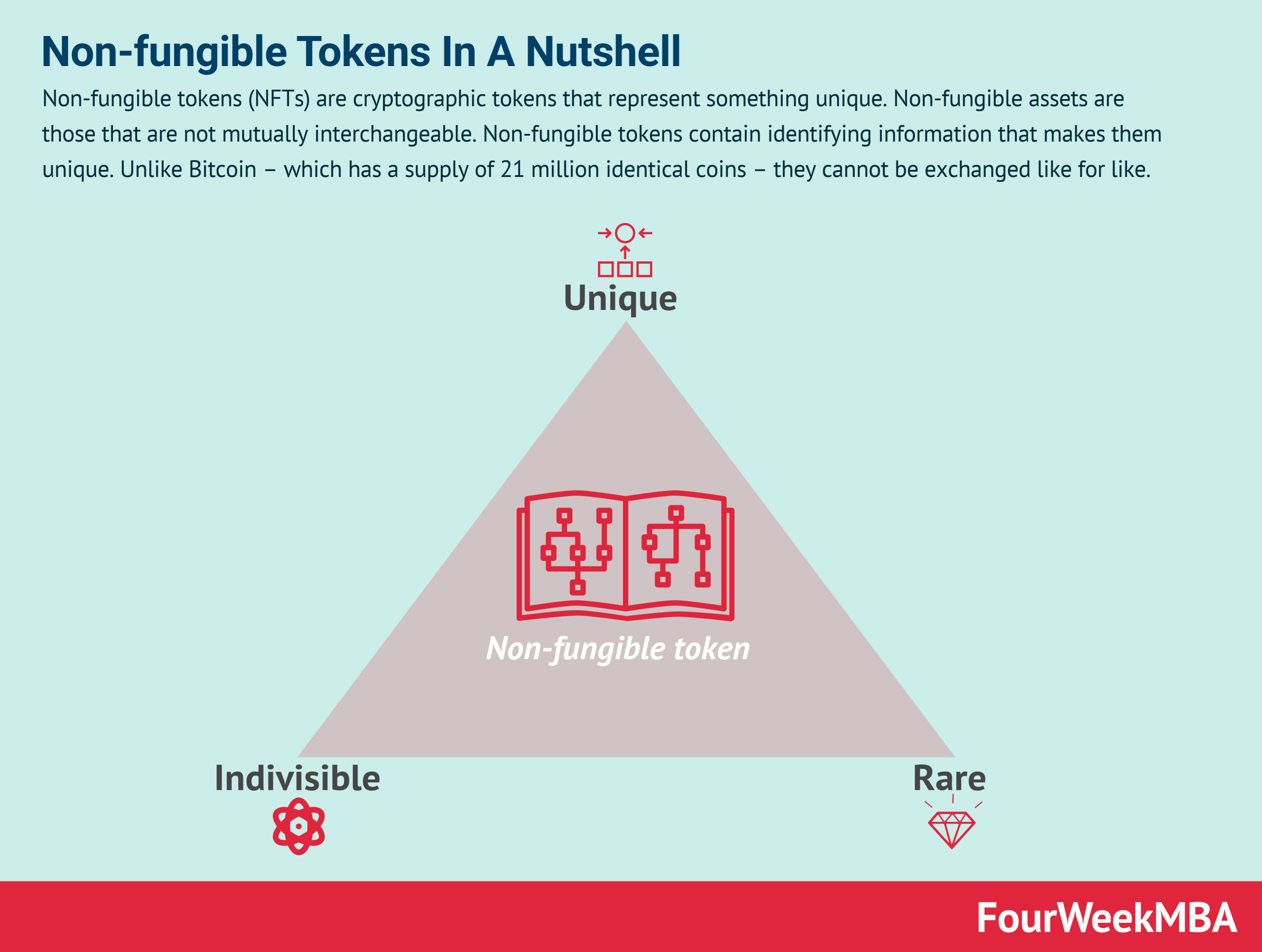
Unlike cryptocurrencies such as Bitcoin or Ethereum, which are fungible and can be exchanged on a one-to-one basis, NFTs are distinctive and cannot be swapped on an equal basis. Each NFT is encoded with specific information that makes it unique, representing ownership of digital items like art, music, videos, or even virtual real estate. The market for NFTs has exploded, with some digital artworks selling for millions of pounds, highlighting a growing acceptance among investors and collectors.
Current Trends in the NFT Market
The NFT market has seen significant developments in 2023, with key trends emerging. Art institutions are now integrating NFTs into their exhibitions, validating their place within the traditional art world. Major brands and celebrities have also begun launching their own NFTs, attracting millions of fans. For instance, the collaboration between notable artists and global brands has created compelling platforms that engage audiences and expand brand reach.
Challenges in the NFT Ecosystem
Despite their rapid growth, NFTs face a set of challenges that could impact their future. Concerns regarding environmental sustainability have been raised, attributable to the high energy consumption associated with blockchain transactions. Additionally, the market’s speculative nature has led to questions about long-term value and longevity. Issues such as copyright infringement and digital ownership disputes have also surfaced, necessitating clearer regulatory frameworks to protect creators and consumers alike.
Conclusion: The Future of NFTs
The importance of non fungible tokens in the current and future digital landscape cannot be overstated. As technology evolves, NFTs are likely to gain wider acceptance beyond art, potentially integrating into sectors like real estate, gaming, and even identity verification. For readers and investors, staying informed about technological advancements and regulatory changes in the NFT space will be crucial for navigating this exciting yet complex market. Understanding non fungible tokens today could unlock opportunities tomorrow, making them a pivotal aspect of the digital age.