Introduction
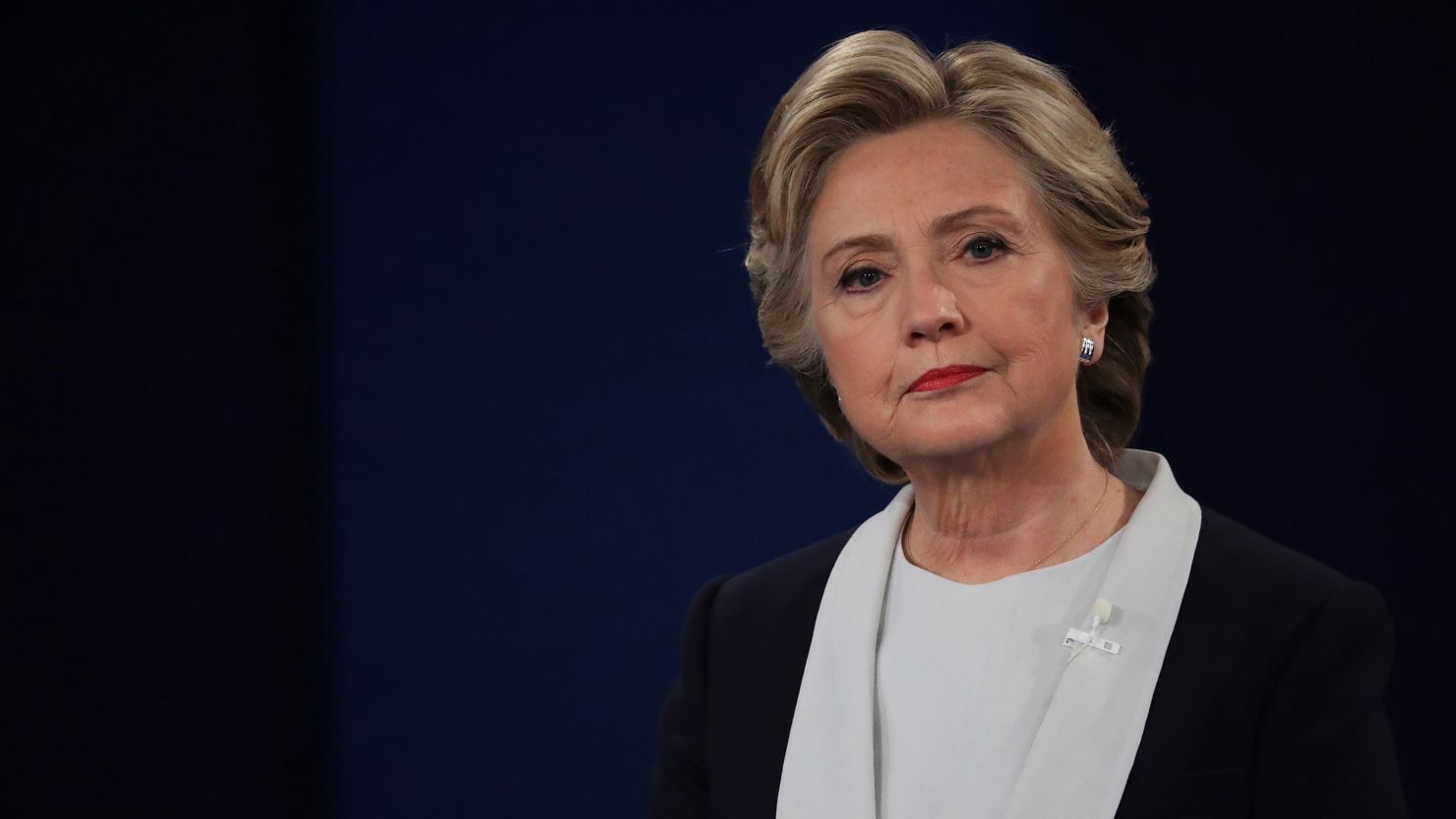
Hillary Clinton is a prominent figure in American politics, known for her extensive career that spans decades. As the first female elected as the Democratic nominee for President in 2016, her influence on contemporary political discourse remains significant. Her commitment to public service and advocacy for women’s rights have continued to resonate with many, making her a pivotal figure in modern politics.
Political Career Highlights
Clinton’s political career began in the late 1970s when she worked as a lawyer and became active in various social issues. After serving as the First Lady of the United States from 1993 to 2001, she was elected as the Senator from New York, serving from 2001 to 2009. Her tenure in the Senate was marked by her efforts on post-9/11 recovery and healthcare reform.
Later, under President Barack Obama, she served as Secretary of State from 2009 to 2013. Her time in this position was pivotal as she played a significant role in U.S. foreign policy, notably in rebalancing the United States’ relationships with Asia and advocating for women’s rights globally.
2016 Presidential Campaign
The 2016 presidential election marked a historic moment when Clinton became the first woman to be nominated for president by a major U.S. political party. Her campaign focused on several progressive issues, including equal pay, healthcare reform, and immigration reform. Despite her loss to Donald Trump, her candidacy inspired a generation of women and underscored the importance of women’s representation in politics.
Current Involvement and Future Outlook
In recent years, Clinton has remained active in public discourse through various platforms, advocating for democracy and social justice. Following her presidential campaign, she has authored books, including “What Happened,” reflecting on her experiences in the election while providing insights on the state of American politics. Currently, she engages with various initiatives focused on women’s rights and empowerment.
Conclusion
Hillary Clinton’s career continues to shape political conversations and influence aspiring leaders, particularly women in politics. Her ongoing involvement indicates a sustained commitment to advocating for social justice and democratic values. As political landscapes evolve, Clinton’s legacy serves as a reminder of the importance of resilience and the continued fight for representation in leadership positions.