Introduction
The protests in Iran have garnered significant attention globally, stemming from widespread dissatisfaction with the government’s policies and human rights record. These demonstrations reflect the deep-rooted issues facing Iranian society, including political repression, economic hardship, and societal demands for greater freedoms. Understanding these protests is crucial not only for the people in Iran but also for international stakeholders watching the unfolding situation.
Current Climate of Protests
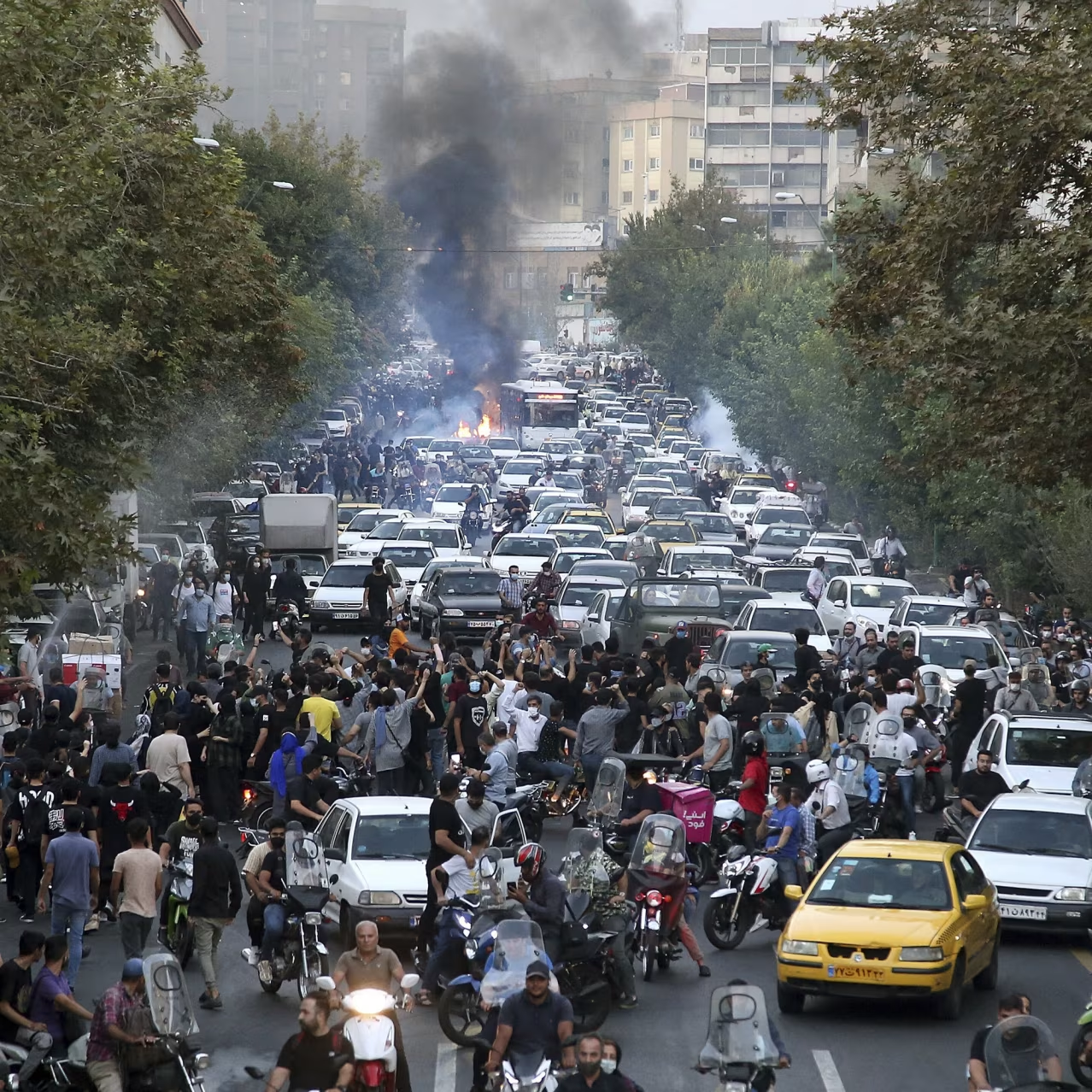
The protests in Iran erupted in 2022 after the death of Mahsa Amini, a young woman detained by the morality police for allegedly violating the country’s strict dress code. This sparked nationwide demonstrations, leading to calls for reforms and the end of the Islamic Republic’s authoritarian rule. The protests have since evolved into a broader movement for women’s rights and social justice, mobilising people from various demographics, including students, workers, and intellectuals.
Throughout 2023, reports indicate that protests have continued, facing severe crackdowns by Iranian security forces. Despite the government’s attempts to stifle dissent, the movement maintains its momentum, with fresh calls to action emerging as citizens express their anger over economic issues, corruption, and lack of basic freedoms.
Government Response and International Reaction
The Iranian government has responded harshly to the protests, employing tactics such as internet blackouts, arrests, and physical violence against demonstrators. Reports from human rights organisations highlight thousands of people being detained across the country. Amnesty International and other entities have condemned the government’s actions, calling for international accountability.
Moreover, the international community has reacted with condemnation, urging Iran to respect human rights and engage in genuine dialogue with its citizens. Sanctions have been discussed and implemented by several Western countries, aiming to pressure Tehran into changing its approach. However, the effectiveness of these measures remains debatable, given Iran’s history of resilience against external pressures.
Conclusion: What Lies Ahead?
The future of the protests in Iran remains uncertain. While the government has shown a willingness to suppress dissent, the persistent demands for change indicate a significant undercurrent within Iranian society that is unlikely to fade away anytime soon. As protests continue, observers both in Iran and abroad will be closely monitoring how the situation evolves. The importance of this movement transcends borders, representing a broader struggle for human rights and democratic values that resonates globally.