Introduction
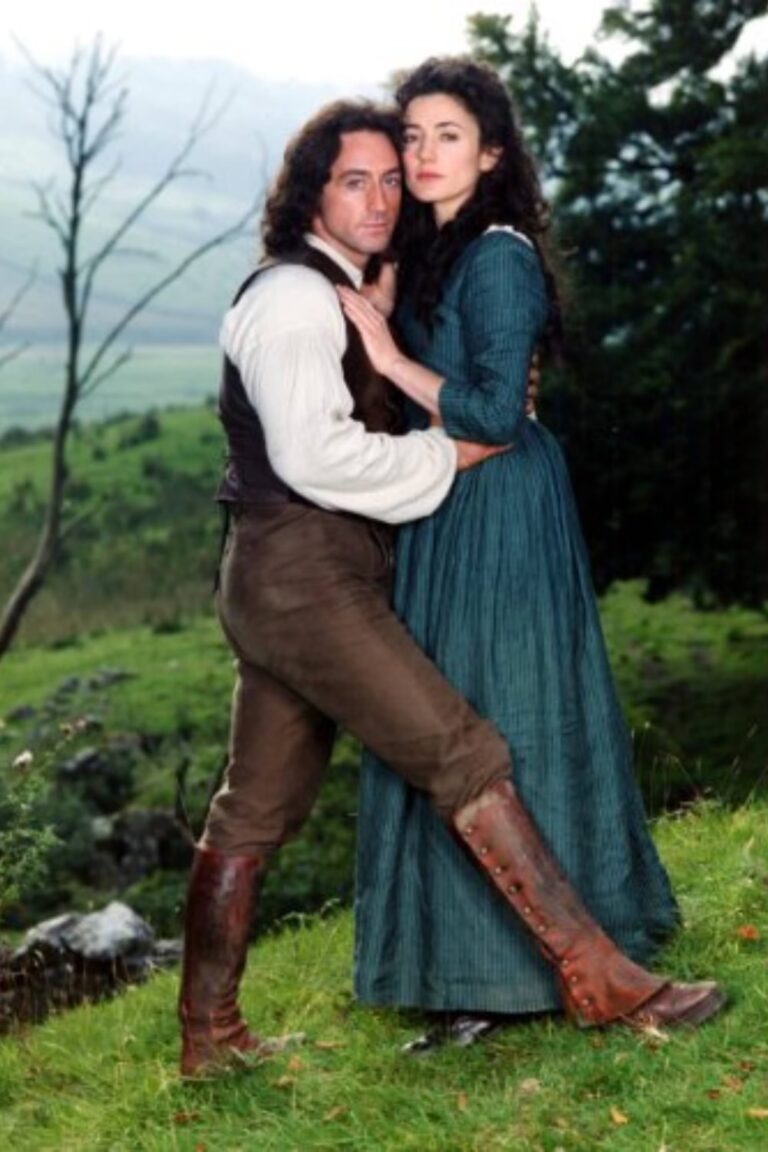
Since its publication in 1847, Emily Brontë’s ‘Wuthering Heights’ has captivated audiences with its intense and passionate narrative. The novel’s complex themes of love, revenge, and the supernatural have inspired numerous film adaptations, affirming its status as a canonical work in English literature. These adaptations not only reflect the changing styles of filmmaking but also the evolving interpretations of Brontë’s characters and themes over the decades.
Notable Film Adaptations
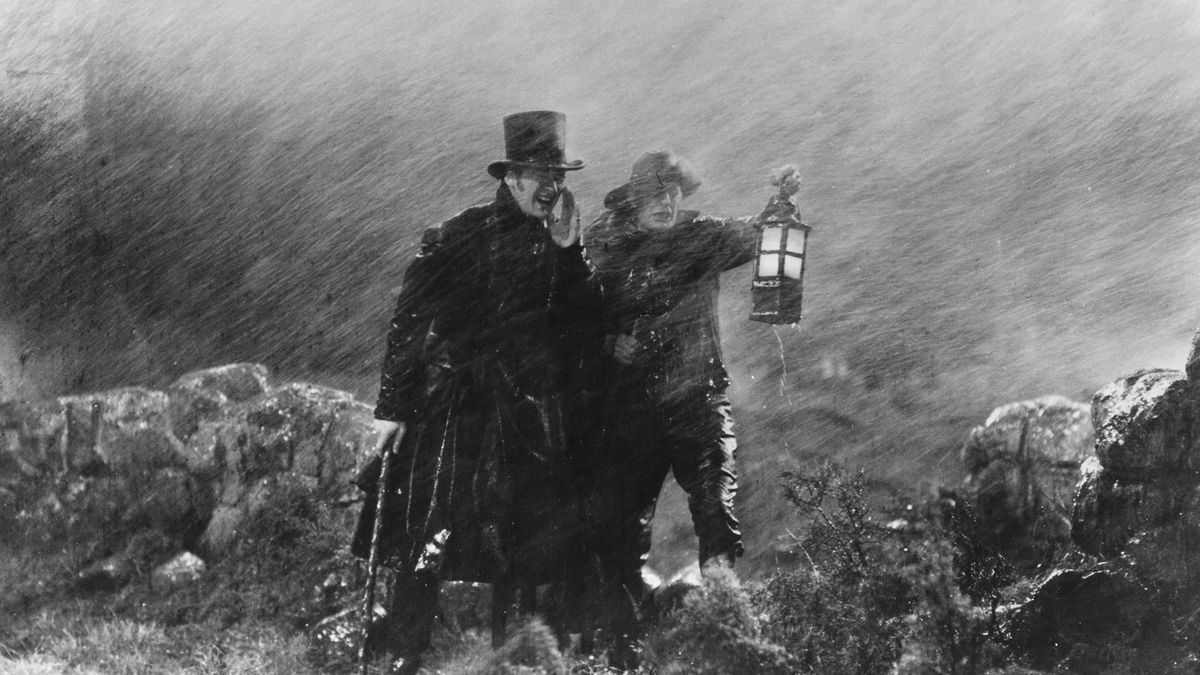
One of the earliest adaptations was the 1939 film directed by William Wyler, featuring Merle Oberon as Catherine Earnshaw and Laurence Olivier as Heathcliff. This version is often remembered for its dramatic cinematography and powerful performances, which brought the tumultuous love story to life for a new generation of viewers.
Another significant adaptation came in 1992, directed by Peter Kosminsky. This version starred Ralph Fiennes as Heathcliff and Juliette Binoche as Catherine. It was noted for its more faithful adherence to the book’s tone and character complexity, allowing audiences to engage deeply with the emotional turmoil experienced by the protagonists.
Recent Interpretations
More recently, the 2011 adaptation directed by Andrea Arnold offers a new perspective, presenting a raw and visceral portrayal of the story. Arnold’s adaptation is celebrated for its focus on the natural environment, using stark landscapes to mirror the characters’ intense emotions. The film, starring Kaya Scodelario and James Howson, engages with themes of class and gender, revealing the underlying social issues of Brontë’s time.
The Impact of Adaptations
The varied film adaptations of ‘Wuthering Heights’ highlight the enduring nature of Brontë’s work and its malleability across different cultural contexts. Each interpretation provides unique insights into the characters and themes, reflecting the eras in which they were produced. Viewers are offered diverse experiences, from traditional cinematic portrayals to more avant-garde interpretations that seek to redefine the narrative.
Conclusion
As ‘Wuthering Heights’ continues to be revisited in cinema, its influence remains strong. New adaptations keep the timeless themes alive, inviting fresh analyses and conversations. Future filmmakers will undoubtedly continue to explore this literary classic, ensuring its relevance in both literature and film for years to come. For readers and cinephiles alike, understanding these adaptations offers a richer appreciation of Brontë’s masterpiece.