Introduction
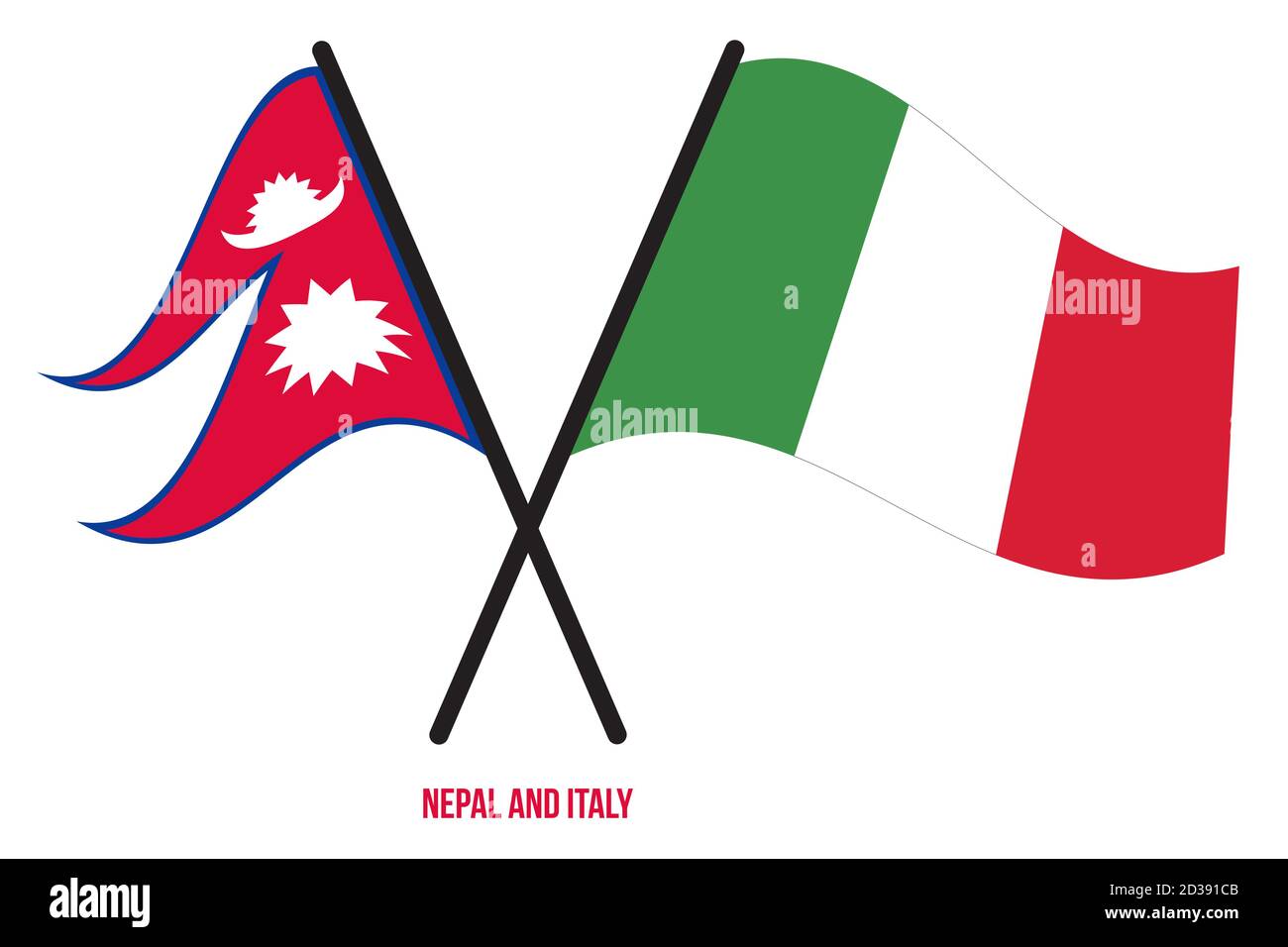
The cultural and geographical diversity of the world is vast, and two countries that represent contrasting cultures are Nepal and Italy. Understanding the differences and similarities between these two nations offers insights into their unique heritage, traditions, and lifestyles.
Geographical Context
Nepal, located in South Asia, is known for its mountainous terrain, including the iconic Mount Everest, while Italy, in Southern Europe, is recognised for its rich history and architecture, encompassing the Alps in the north and the Mediterranean coastline. The stark topographical differences shape not only the lifestyles but also the economic activities of both nations.
Cultural Heritage
Nepal boasts a blend of Hindu and Buddhist cultures, which is evident in its festivals, customs, and daily life. Major festivals like Dashain and Tihar showcase a deep-rooted spiritual connection, as well as vibrant communal celebrations. On the contrary, Italy is famous for its Renaissance art, fashion, and cuisine. Festivals such as Carnevale and numerous local feasts highlight Italy’s regional variations and artistic achievements.
Economic Insights
The economic structure of Nepal is primarily agrarian, with tourism playing a significant role due to its natural beauty and historical sites like Lumbini and the Kathmandu Valley. In comparison, Italy is one of the largest economies in Europe, with robust industries including fashion, automotive, and culinary arts. The differences in their economies reflect their geographical assets and cultural priorities.
Tourism Trends
Tourism is a lucrative sector for both countries, yet the experiences offered are distinctive. Nepal attracts adventure seekers interested in trekking and spiritual experiences, while Italy draws those fascinated by art, history, and gastronomy. The contrasting tourism experiences reflect broader cultural narratives and tourist motivations in each country.
Conclusion
Nepal and Italy offer rich tapestries of culture and tradition, each rooted in their unique settings. As the world becomes more interconnected, understanding these cultural differences enhances global appreciation and respect. The significance of exploring such contrasts lies not only in tourism but also in fostering intercultural dialogue and learning from each other’s values and histories. In an increasingly globalised world, these insights contribute profoundly to our shared human experience.