Introduction
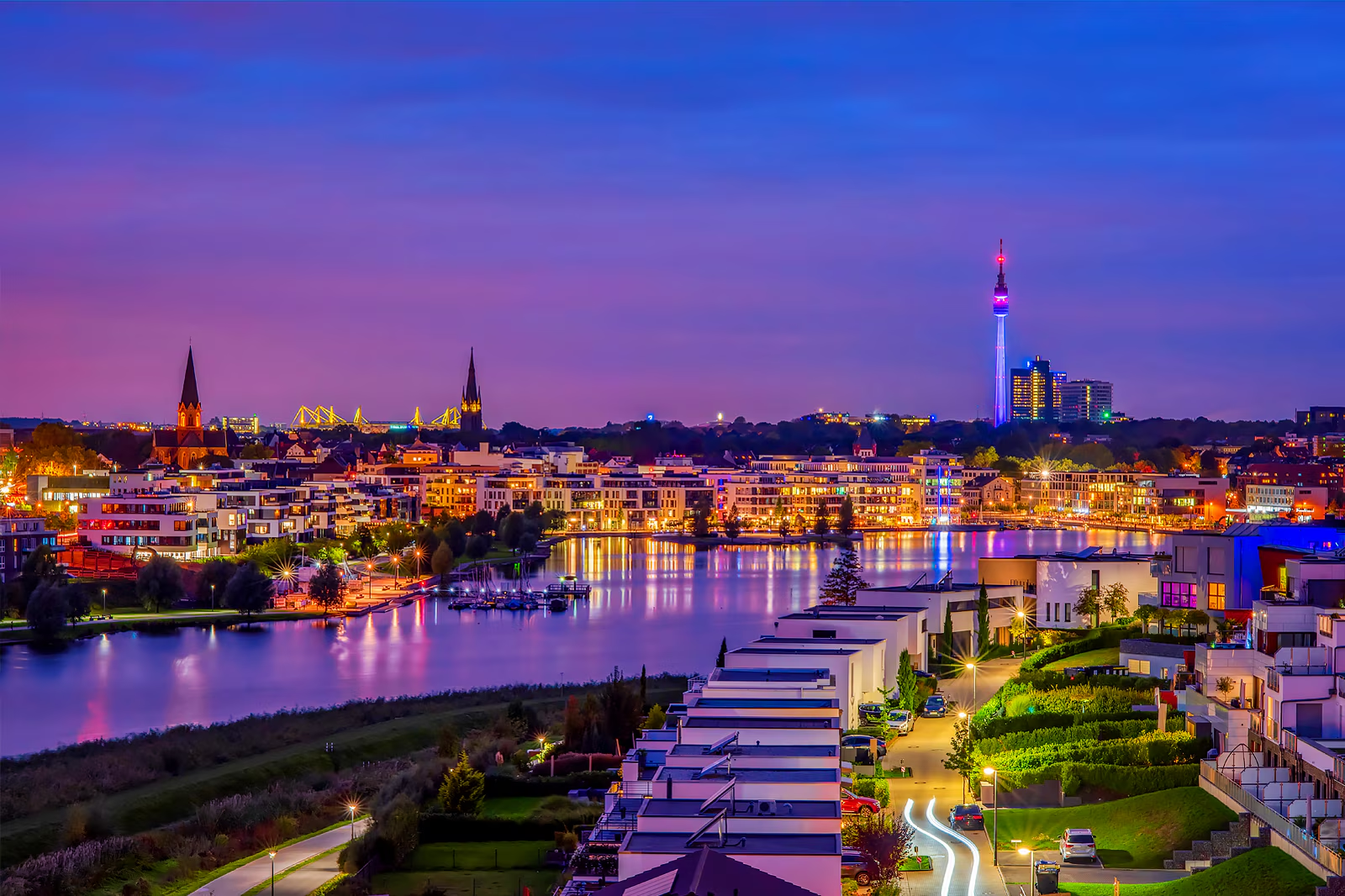
Dortmund, located in the North Rhine-Westphalia region of Germany, is a city that has long been a focal point of industrial growth and cultural vibrancy. Its relevance in contemporary society lies not only in its historical significance as a centre of coal and steel production but also in its dynamic cultural scene, particularly its passionate football community. With Borussia Dortmund as one of the most prestigious football clubs in Germany, the city continues to attract attention from sports fans worldwide.
Historical Background
Dortmund has a rich and varied history that dates back to the early Middle Ages. Once a member of the Hanseatic League, the city flourished in trade and commerce. The industrial revolution brought further development, establishing Dortmund as an important hub for coal, steel, and beer production. Today, the remnants of its industrial past can be seen in various museums and preserved sites across the city.
Cultural Significance
Today, Dortmund is not just known for its industry; it boasts a diverse cultural landscape. The city is home to several museums, art galleries, and theatres, including the renowned Museum Ostwall, which showcases contemporary art and works from the classical modern era. Moreover, the annual Ruhrhochdeutsch Festival brings together artists, performers, and audiences to celebrate local talent in various art forms.
Football Legacy
However, Dortmund is perhaps best known globally for its football culture. Borussia Dortmund, founded in 1909, plays at the iconic Signal Iduna Park, which hosts over 80,000 fans. The team has a remarkable history, including numerous Bundesliga championships and a UEFA Champions League title. The passionate fan culture and the famous ‘Yellow Wall,’ a standing terrace where supporters gather, make attending a match in Dortmund an unforgettable experience.
Conclusion
As it stands, Dortmund is a city that elegantly weaves its rich industrial history with modern cultural and sporting achievements. For residents and visitors alike, the diversity of experiences—from exploring its historical roots to cheering on Borussia Dortmund—offers something for everyone. Looking forward, Dortmund aims to further enhance its status as a cultural and football powerhouse, attracting even more visitors and football enthusiasts from across the globe.