










Introduction
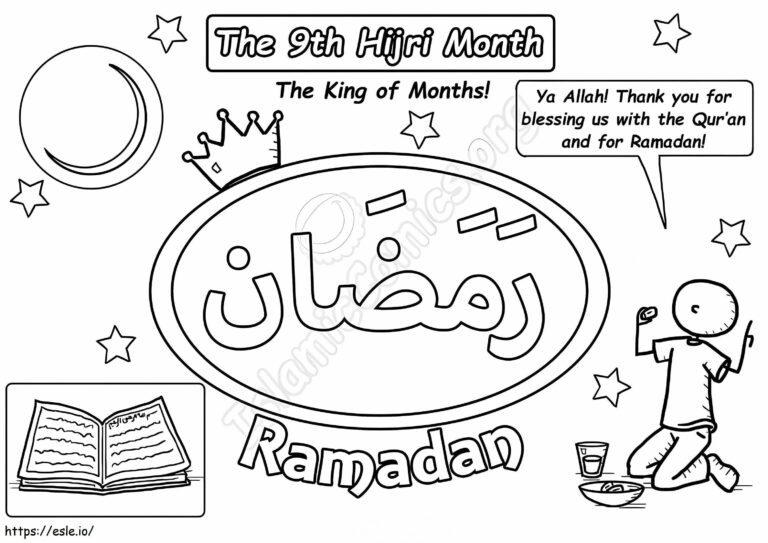
Ramadan is one of the most significant months in the Islamic calendar, observed by millions of Muslims worldwide. In 2026, Ramadan is expected to begin on the evening of February 17 and end on March 18, based on the lunar cycle. This month not only holds spiritual importance but also fosters a sense of community and reflection for Muslims globally.
The Significance of Ramadan
During Ramadan, Muslims engage in fasting from dawn until sunset, a practice known as Sawm. This fasting is not merely about abstaining from food and drink; it is also a time for spiritual growth, prayer, and community involvement. The fast is broken each evening with a meal called Iftar, often starting with dates and water, followed by a larger feast shared among family and friends.
Cultural Practices During Ramadan
Different cultures have unique customs to celebrate Ramadan. In the Middle East, large public iftars may be held in squares, while in South Asia, the sound of drums can signal the fast-breaking. Mosques often see increased attendance for nightly tarawih prayers, which are meant to provide additional opportunities for spiritual connection during this holy month. Notably, charity or Zakat also plays a significant role, as many Muslims seek to give to those in need during Ramadan.
Community and Reflection
Ramadan 2026 will also bring together communities in extraordinary ways. Across the globe, Muslims are expected to participate in online and offline events that cultivate solidarity and support among families and friends. Open invitation Iftar meals, interfaith dialogues, and community service initiatives are examples of how Ramadan enhances social values and promotes a culture of giving.
Conclusion
The observance of Ramadan in 2026 will continue to be a time for spiritual reflection, prayer, and community, which epitomises the core beliefs of Islam. As the date approaches, various Islamic communities are expected to prepare not only for the fast but for a time of strengthening bonds and supporting one another. With its array of cultural practices and communal experiences, Ramadan remains a vital part of the Muslim faith and identity, echoing its relevance through the ages and offering lessons of compassion and empathy that resonate beyond the month.