










Introduction
Ramadan is a sacred month in the Islamic calendar, observed by millions of Muslims worldwide. This significant period involves fasting from dawn until sunset, prayer, reflection, and community. The essence of Ramadan is rooted in spiritual growth and self-discipline, making it a vital component of Islamic practice. In recent years, the importance of Ramadan has only increased, as it often coincides with broader global discussions about spirituality, community resilience, and cultural identity.
The Observance of Ramadan
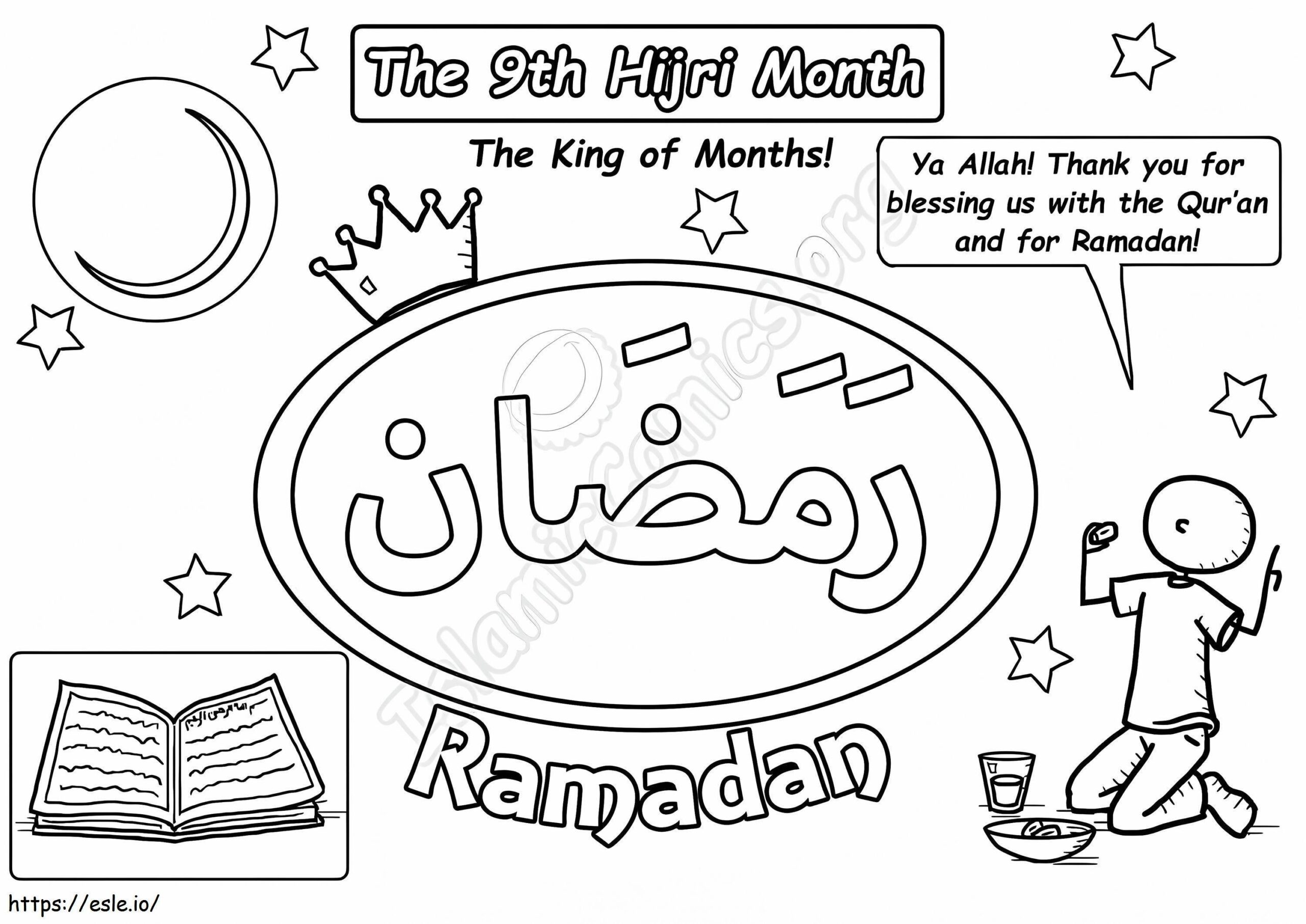
Ramadan is the ninth month of the Islamic lunar calendar, commemorating the first revelation of the Quran to the Prophet Muhammad. The month lasts 29 or 30 days, depending on the sighting of the moon. During Ramadan, Muslims engage in fasting, which is one of the Five Pillars of Islam—fundamental acts of worship that define a Muslim’s faith and practice.
Fasting during Ramadan, known as ‘Sawm,’ requires participants to abstain from food and drink from dawn (Fajr) until sunset (Maghrib). This act encourages compassion for the less fortunate, self-control, and a strengthened relationship with God. Each day, fasting is broken with a meal known as ‘Iftar,’ often enjoyed in community settings. Traditional foods vary globally, with each culture adding its unique touch to the celebration.
Cultural and Community Aspects
In addition to personal piety, Ramadan is a time for community and family gatherings. Many Muslims engage in collective prayers known as ‘Taraweeh,’ performed at night, which enhances the communal aspects of faith. Charitable giving, or ‘Zakat,’ is also emphasized during this month, with individuals encouraged to support those in need. In many cities, mosques host open Iftar events, allowing people of all backgrounds to engage with one another and share in the experience.
Conclusion
The significance of Ramadan transcends mere fasting; it embodies a holistic approach to community, faith, and personal reflection. As the world continues to evolve and face challenges, the values instilled during Ramadan—compassion, patience, and unity—become increasingly relevant. Looking ahead, the global Muslim community will continue to celebrate Ramadan with resilience and joy, fostering a deeper understanding of cultural and spiritual practices that enrich the human experience.