









Introduction
Chinese New Year, also known as Lunar New Year or Spring Festival, is one of the most significant cultural celebrations for Chinese communities across the globe. With 2024 set to welcome the Year of the Dragon, the festivities are expected to be vibrant, reflecting the rich traditions and values that the holiday signifies. As the world’s population increasingly engages with cultural diversity, understanding the customs and celebrations associated with this occasion becomes all the more relevant.
Celebrations and Traditions
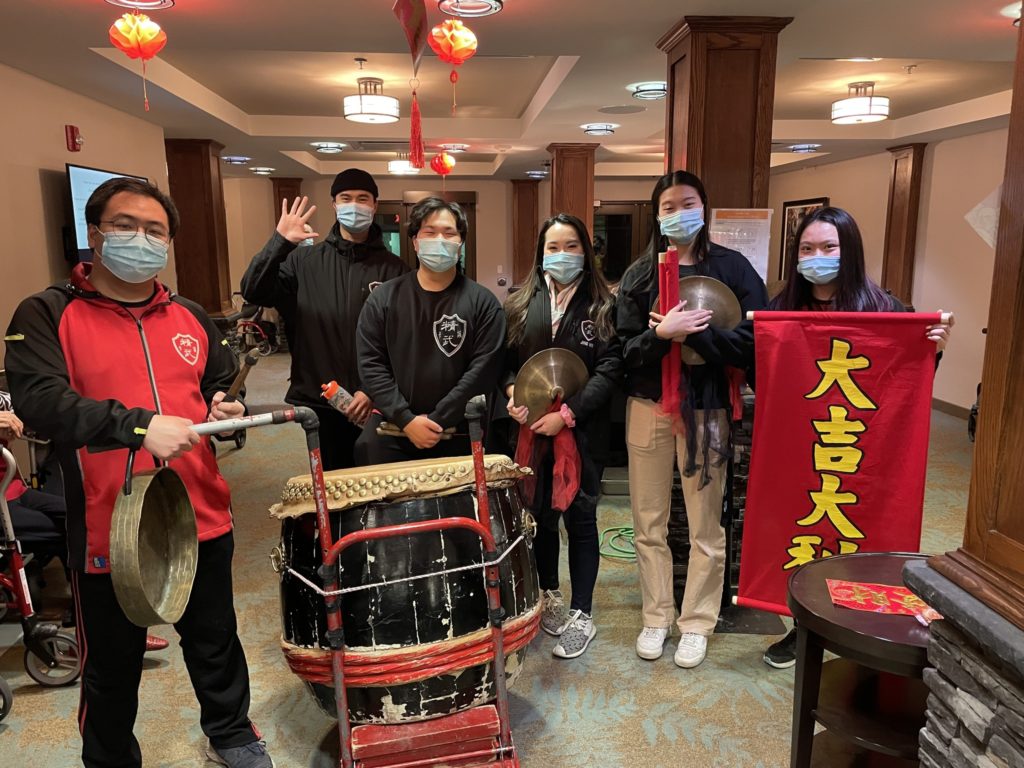
Chinese New Year festivities begin on the eve of the New Year with family reunions and feasts that include traditional dishes such as dumplings and fish, symbolising prosperity and abundance. This year, celebrations will start on Saturday, February 10, 2024, and last for 15 days, culminating in the Lantern Festival. Across major cities worldwide, including London, Sydney, and San Francisco, communities will organise parades featuring lion dancers, fireworks, and cultural performances, drawing millions of onlookers.
During this time, homes are often cleaned and decorated with red lanterns and couplets, as the colour red is believed to ward off evil spirits and bring good luck. The giving of ‘hongbao’ (red envelopes containing money) to children and unmarried adults is another cherished tradition, symbolising the transferring of good fortune.
Global Observance
As the festival approaches, various local governments and organisations are preparing for the celebrations. In London’s Chinatown, for example, plans are in place for grand decorations and a vibrant parade that is expected to attract thousands. The recent surge in participation from non-Chinese communities showcases the festival’s global appeal and significance, creating an opportunity for intercultural exchange and understanding.
Conclusion
Chinese New Year 2024 promises to be a celebration filled with joy, reflection, and cultural pride. As societies continue to become more interconnected, events like the Lunar New Year provide a platform for sharing traditions and fostering appreciation for different cultures. For those participating in the festivities, it is not only a time for joy but also a moment to reflect on familial bonds and cultural heritage. Looking ahead, as the world becomes increasingly diversified, the observance of such cultural events will play a crucial role in bridging cultural divides and promoting unity.