









Introduction to Solar Eclipses
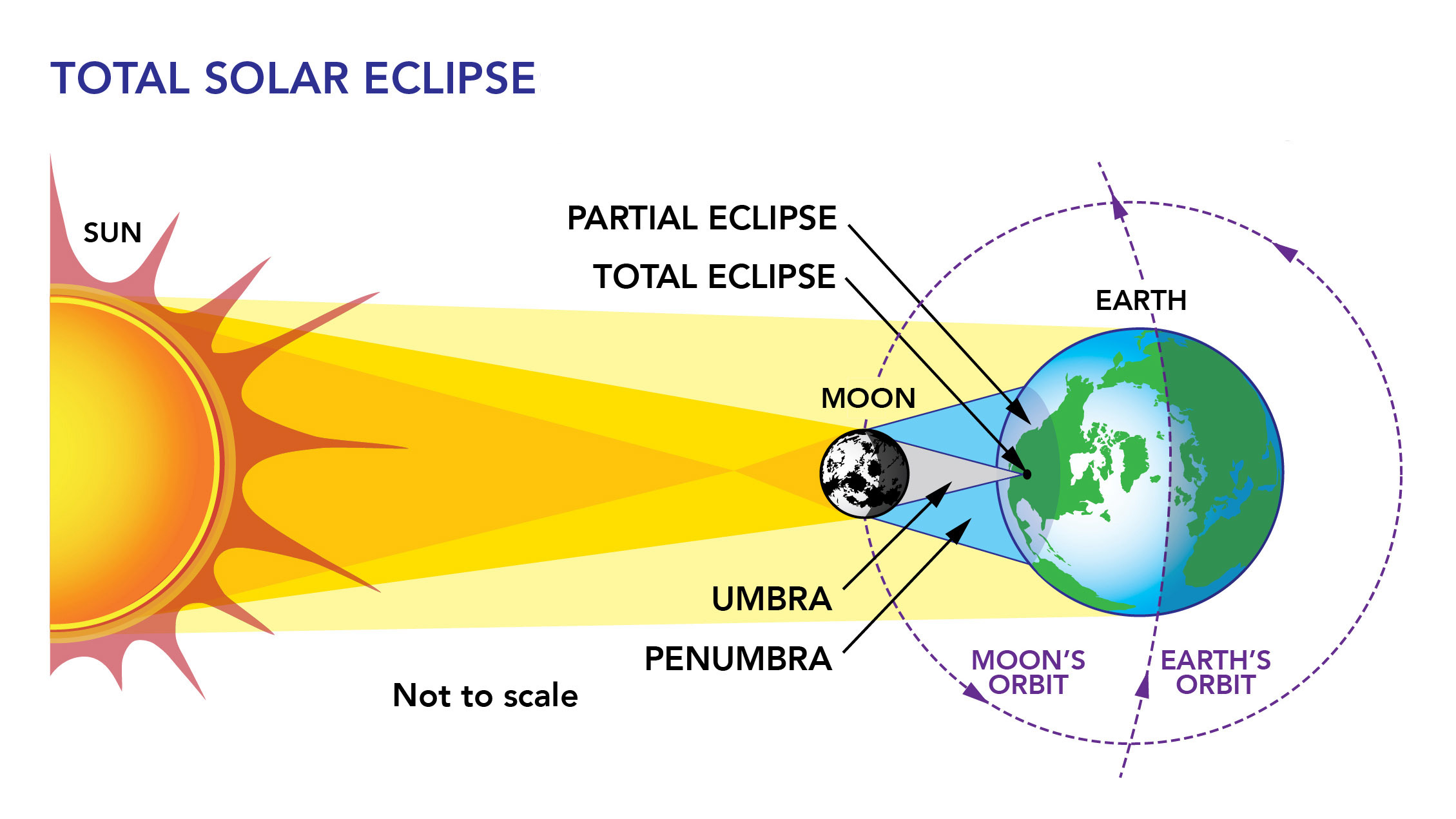
Solar eclipses are remarkable astronomical events that capture the attention of people around the globe. They occur when the Moon passes between the Earth and the Sun, blocking out part or all of the Sun’s light. These celestial occurrences are not only visually spectacular, but they also offer important insights into our universe’s workings. With advancements in technology and science, solar eclipses have become an essential subject of study, making them highly relevant to enthusiasts of astronomy and casual observers alike.
The Mechanics of Solar Eclipses
There are three types of solar eclipses: total, partial, and annular. A total solar eclipse, which occurs when the Moon completely obscures the Sun, can only be viewed from specific locations on Earth. In contrast, a partial eclipse allows viewers in a broader area to see a part of the Sun covered by the Moon. An annular eclipse, often referred to as a “ring of fire” eclipse, happens when the Moon is too far from Earth to fully cover the Sun resulting in a bright ring visible around the edges of the Moon.
Significant Upcoming Eclipses
2023 is an exciting year for solar eclipses. The next significant event is the annular solar eclipse on October 14, 2023. This astronomical phenomenon will be visible across parts of the United States, Central America, and South America. Observers in the path of the eclipse will witness the spectacular ring of fire effect, making it a must-see event for both seasoned eclipse chasers and newcomers.
Moreover, the total solar eclipse slated for April 8, 2024, will be a significant event as it will traverse the United States from Texas to Maine, offering millions of people the opportunity to experience the darkness of a total eclipse. This event is being widely promoted by astronomy groups encouraging public engagement and education about these awe-inspiring events.
Conclusion: The Importance of Solar Eclipses
Solar eclipses provide more than just a stunning visual phenomenon; they serve as valuable opportunities for scientific research and education. They allow astronomers to study the Sun’s corona and to understand solar phenomena better. For the general public, they are a source of wonder and inspiration, fostering an interest in the sciences and the environment. As we approach the upcoming eclipses, people are encouraged to participate in viewing events, utilize safe viewing methods, and appreciate the grandeur of our solar system. Solar eclipses remind us of the beauty and mystery of the universe, making them a crucial topic for both education and exploration.