









Introduction
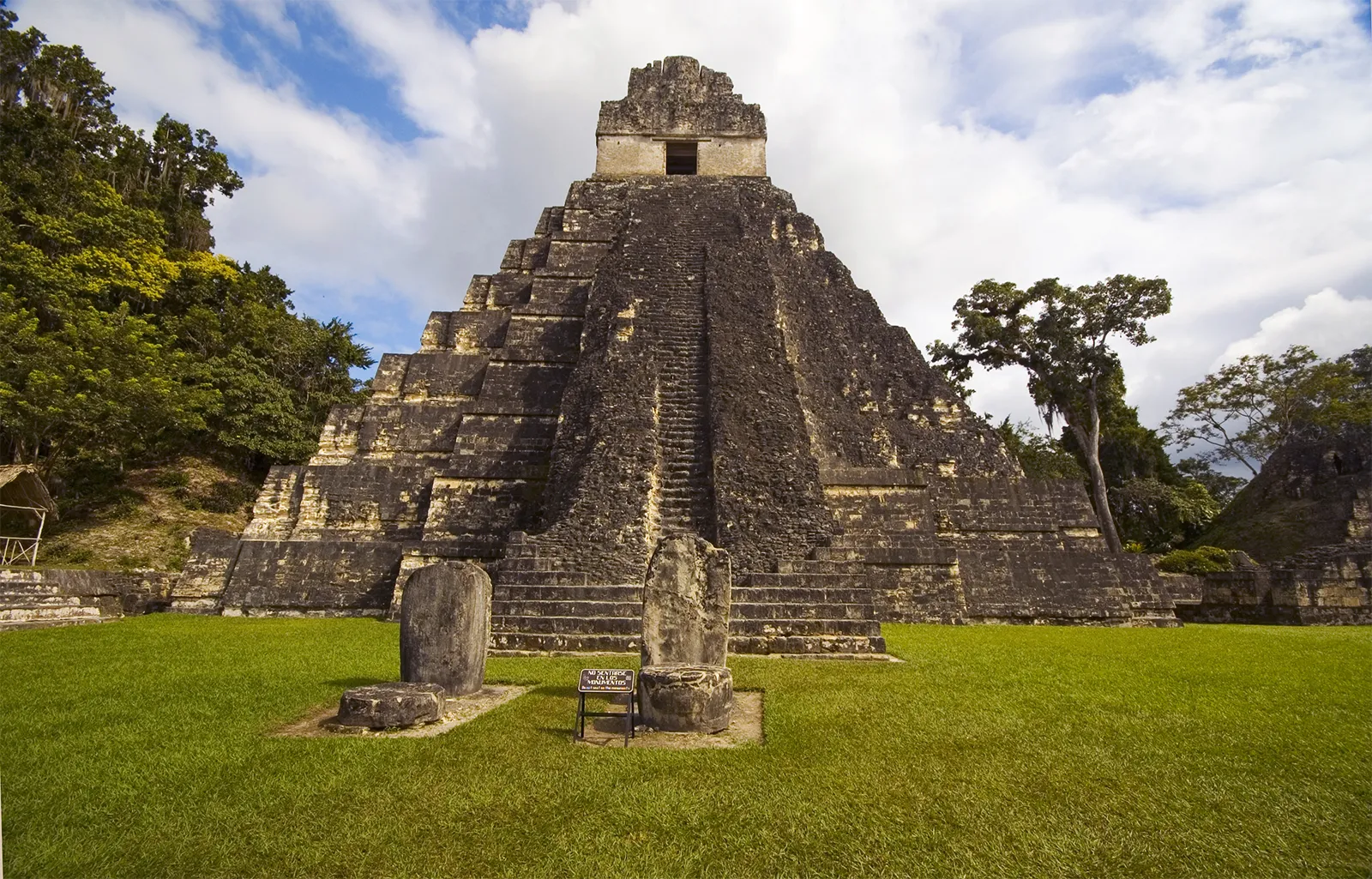
Guatemala, located in Central America, has been undergoing significant changes in recent months that impact not only its citizens but also the broader region. As a country rich in culture and history, Guatemala faces diverse social, political, and economic challenges that are coming to the forefront, making it an important area of focus for international observers and policymakers.
Political Landscape
In the wake of national elections held earlier this year, Guatemala has seen a shift in its political landscape. Bernardo Arévalo, a social democrat and candidate from the Semilla party, won the presidency in a surprising turn of events. His election is noteworthy as it signifies a potential movement toward anti-corruption reforms. This development has sparked interest and hope among citizens, many of whom have been frustrated with longstanding issues of corruption within the government. However, his campaign and subsequent victory have also led to fear of pushback from traditional power structures and political elites.
Social Issues
Alongside political changes, Guatemala grapples with significant social challenges. The country is experiencing high rates of migration as individuals seek better economic opportunities abroad, primarily in the United States. Factors contributing to this mass exodus include poverty, lack of jobs, and worsening climate conditions affecting agriculture. According to the International Organization for Migration, thousands of Guatemalans have been traversing through Mexico in hopes of reaching the US, raising concerns over border security and humanitarian crises.
Economic Factors
Economically, Guatemala faces obstacles, including high levels of inequality and inflation. The agricultural sector, which forms the backbone of its economy, is under threat due to climate change and natural disasters. The COVID-19 pandemic further exacerbated pre-existing vulnerabilities, pushing more families into poverty. The World Bank predicts slow recovery, emphasizing that comprehensive economic strategies will be necessary to foster sustainable growth and development.
Conclusion
The future of Guatemala remains uncertain yet pivotal. With a newly elected president promising reforms and an increasing number of citizens seeking better lives, the situation presents both challenges and opportunities. As Guatemala stands at a crossroads, it will be critical for local leaders and international partners to work collaboratively to address systemic issues while fostering a more equitable society. The outcomes of these developments may not only shape the future of this Central American nation but could also have significant implications for the entire region.