










The Importance of Recognising Measles Symptoms
Measles is a highly contagious viral infection that can lead to serious health complications, making it imperative for individuals to recognise its symptoms promptly. With the resurgence of measles in various parts of the world, understanding the signs can aid in early diagnosis and treatment, ultimately saving lives and preventing further outbreaks.
Common Symptoms of Measles
The symptoms of measles typically appear 10 to 14 days after exposure to the virus. Initially, individuals may experience:
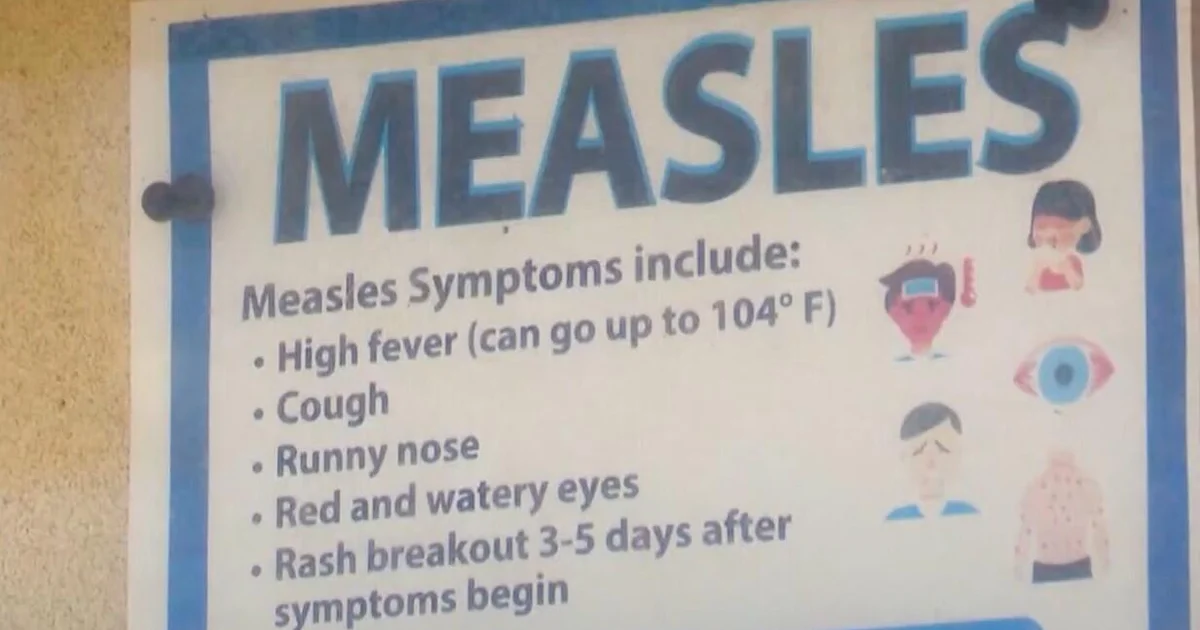
- Fever: A high fever, often reaching up to 40°C (104°F), usually occurs 10 to 12 days after infection.
- Followed by Cough: A dry cough can develop alongside or shortly after the onset of fever.
- Runny Nose: Nasal congestion and a runny nose are common early symptoms.
- Red Eyes: Conjunctivitis or red, watery eyes can occur as the virus progresses.
After a few days, a characteristic rash usually develops, which is critical for identification:
The Rash
The measles rash generally appears 3 to 5 days after the initial symptoms. It typically starts at the hairline and spreads downwards across the face and body. This rash can last for several days, before fading away. In some cases, small, white spots known as Koplik spots may also appear inside the mouth, often before the rash shows up.
Complications and Importance of Vaccination
Measles can result in serious complications, particularly in young children and those with weakened immune systems. These complications can include pneumonia, encephalitis, and, in some rare cases, death. The MMR vaccine (measles, mumps, and rubella) is crucial in preventing measles outbreaks and protecting public health.
Conclusion: Stay Informed and Protected
Understanding measles symptoms is vital in ensuring early detection and treatment to prevent severe complications. With the increase in measles cases globally, educating the public about its symptoms, the importance of vaccination, and timely medical intervention can significantly aid in combatting this vaccine-preventable disease. Individuals should monitor their health closely and consult with healthcare professionals if they suspect exposure to the virus.