










Introduction
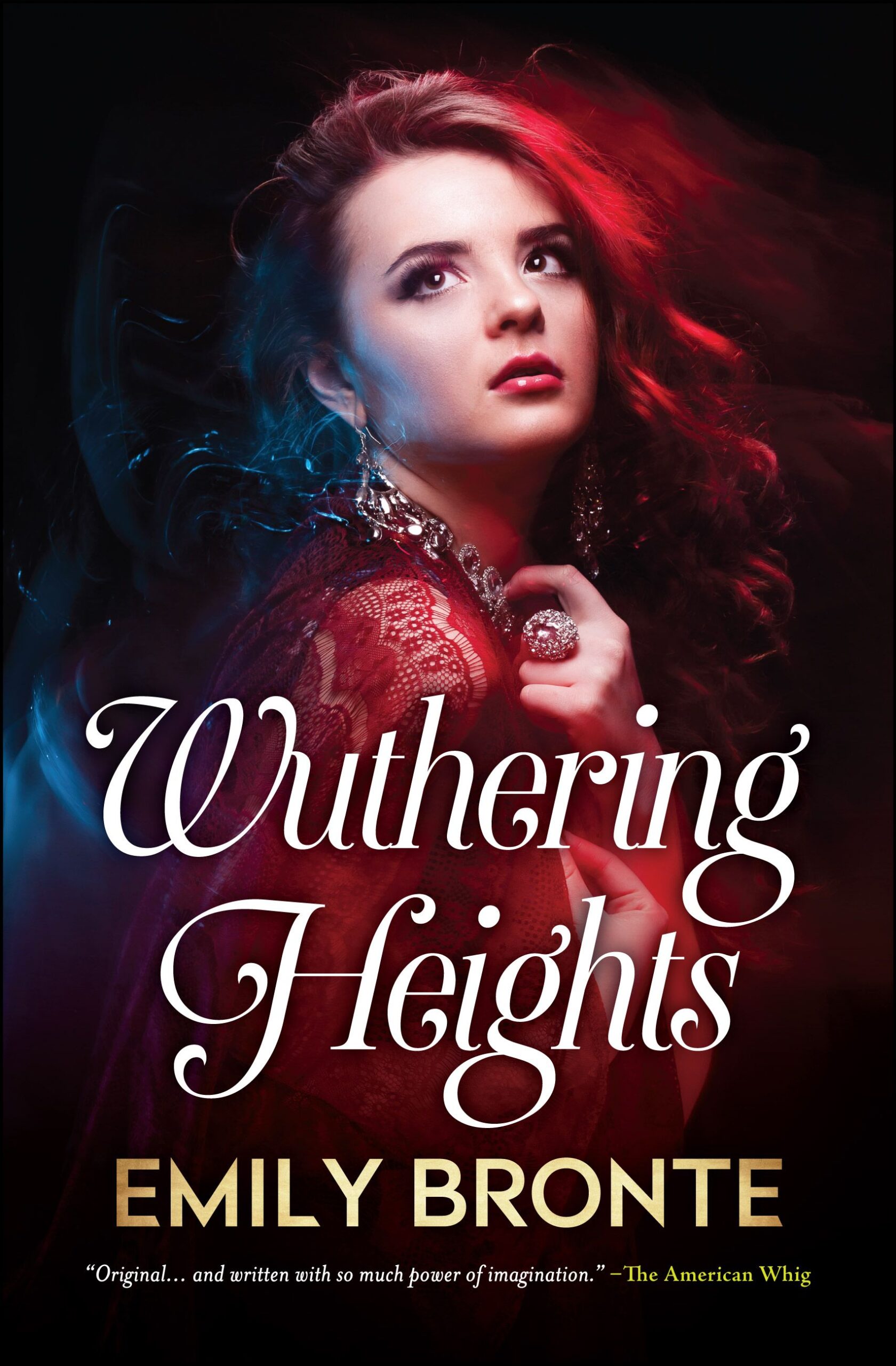
‘Wuthering Heights,’ written by Emily Brontë and published in 1847, remains one of the most significant works of English literature. The book is celebrated for its complex characters, intricate narrative structure, and profound themes of love, revenge, and the struggle against social norms. Understanding this novel is essential for appreciating its impact on literature and the exploration of human emotions.
Plot Summary
The story unfolds on the Yorkshire moors, centring around the passionate and tumultuous relationship between Heathcliff and Catherine Earnshaw. After being adopted by the Earnshaw family, Heathcliff falls deeply in love with Catherine, but their relationship is marred by social class differences and personal betrayals. Catherine’s eventual marriage to Edgar Linton leads to Heathcliff’s intense desire for revenge, resulting in a cycle of suffering that affects multiple generations. The novel’s dual narrative, presented through the perspectives of Mr. Lockwood and Nelly Dean, adds layers of depth and complexity to the telling of this tragic tale.
Themes and Analysis
The principal themes in ‘Wuthering Heights’ include the nature of love, the idea of revenge, and the influence of the supernatural. Brontë explores how love can transcend societal barriers yet also lead to destruction and despair. The wild and turbulent setting of the Yorkshire moors parallels the emotional intensity faced by its characters, embodying the concept of nature reflecting human passion. Furthermore, the portrayal of Heathcliff as both a Byronic hero and a villain challenges the reader to consider the moral ambiguity of his actions, prompting discussions about sympathy and cruelty.
Current Relevance
In recent years, ‘Wuthering Heights’ has seen a resurgence in popularity, inspiring various adaptations in film, theatre, and even music. Its exploration of complex themes continues to resonate with modern audiences, sparking debates around class, race, and gender. Educational institutions also increasingly emphasize the novel’s significance in the canon of English literature, offering courses that dissect its themes and character arcs.
Conclusion
Ultimately, ‘Wuthering Heights’ is more than just a love story; it is a profound commentary on human nature, societal constraints, and the darker sides of passion. Its continuing relevance in contemporary discussions confirms its status as a literary classic. Readers and scholars alike will find that the novel invites endless interpretations, guaranteeing its place in the literary landscape for generations to come.