









Introduction to Phishing
In today’s digital age, cybersecurity has become a paramount concern for individuals and businesses alike. One of the most common threats in this realm is phishing, a malicious practice used by cybercriminals to trick individuals into divulging sensitive information such as passwords, credit card numbers, and personal identification. Understanding phishing is crucial for protecting oneself from potential identity theft and financial loss.
What is Phishing?
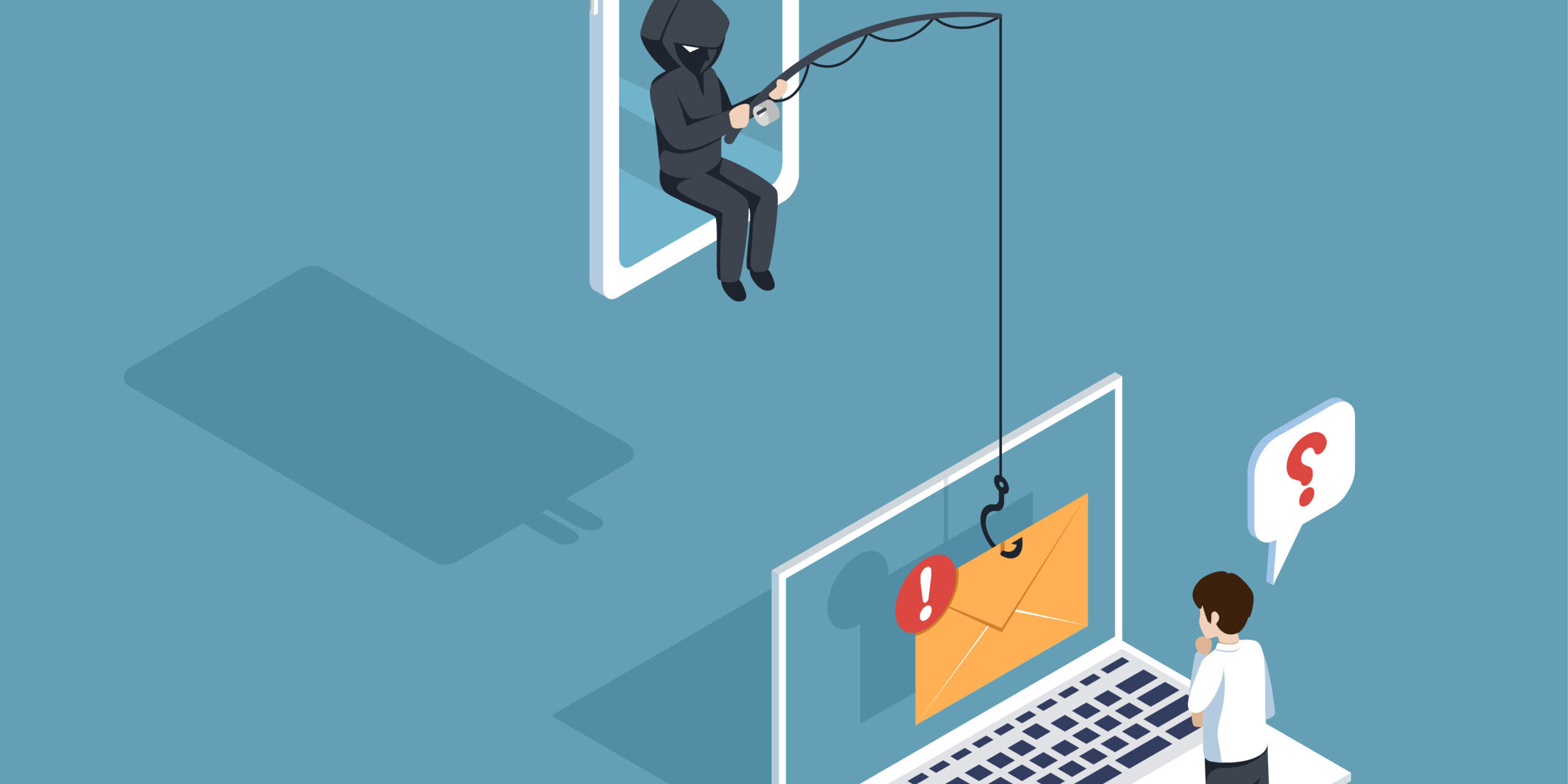
Phishing is a form of cyberattack that typically uses deceptive emails or malicious websites to lure victims into providing confidential information. Cybercriminals often masquerade as reputable entities, including banks, online services, or government institutions, seeking to exploit the trust of unsuspecting users. These attacks can occur in various forms, including email phishing, spear phishing, vishing (voice phishing), and smishing (SMS phishing).
How Phishing Works
Phishing attacks often commence with a carefully crafted email that appears genuine. For instance, an email may alert a user to suspicious activity in their bank account, prompting them to click on a link and log in to what they believe is the secure website of their bank. However, that link usually directs the user to a fraudulent site designed to capture their login credentials.
Recent statistics indicate that phishing remains a significant threat: according to the Anti-Phishing Working Group (APWG), in the first quarter of 2023, there were over 1.5 million phishing sites reported globally. Moreover, the rise of social media platforms and mobile devices has provided new avenues for such attacks, making awareness and education more critical than ever.
Signs of Phishing Attempts
Recognising the signs of a phishing attempt can be the first step in mitigation. Common indicators include:
- Suspicious Emails: Look for generic greetings and spelling or grammatical errors.
- Urgent Calls to Action: Emails that pressure recipients to act quickly should raise red flags.
- Unfamiliar Links: Hover over links to check their actual destination before clicking.
Conclusion and Preventative Measures
Phishing remains a potent threat in our increasingly connected world, with cybercriminals constantly adapting their strategies. To safeguard against phishing attempts, individuals are encouraged to be vigilant and informed. Utilising security features like multi-factor authentication, regularly updating passwords, and employing advanced email filtering can significantly reduce the risk of falling victim to such schemes. Staying educated and aware is the best defence against phishing, ensuring a safer online experience for all.