









Introduction
Spotify, the Swedish music streaming service, has revolutionised the way millions consume music around the globe. Since its launch in 2008, Spotify has become synonymous with streaming, boasting over 500 million active users as of late 2023. This platform’s growth exemplifies a significant shift in the music industry, transitioning from physical sales to digital consumption. With the advent of streaming services like Spotify, the focus has shifted from album sales to playlist curation, changing how artists and listeners interact.
Spotify’s Growth and Features
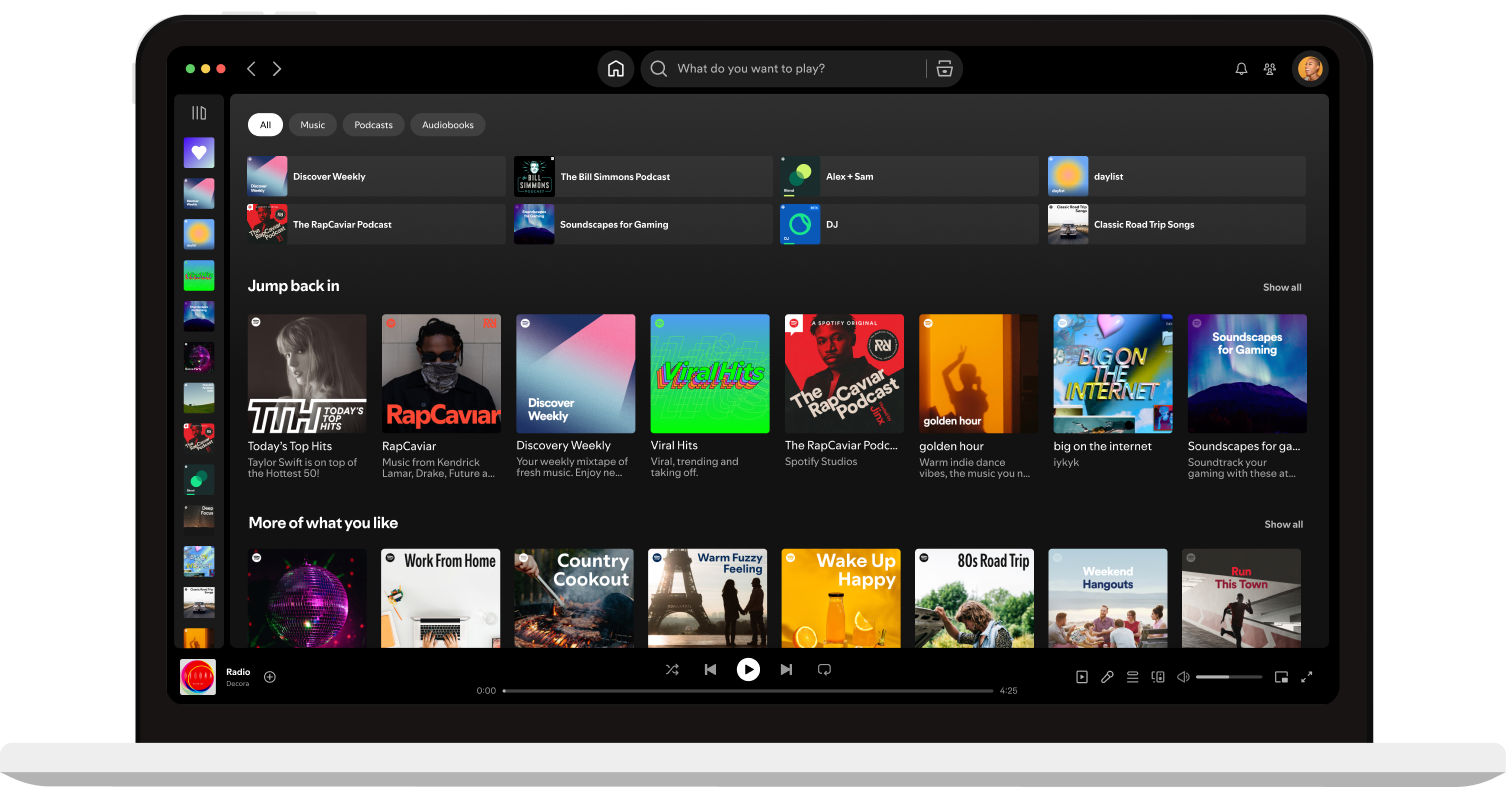
Spotify’s unprecedented growth is attributed to its user-friendly interface, extensive library of over 70 million tracks, and innovative features like personalised playlists and podcasts. The platform has paved the way for other music services, promoting a subscription model that provides artists with a steady revenue stream while granting users access to a vast array of content. As of October 2023, Spotify reported a 15% increase in premium subscribers, riding the wave of renewed interest in music streaming post-pandemic.
One of Spotify’s standout features is its algorithm-driven playlists like ‘Discover Weekly’ and ‘Release Radar’, which curate music tailored to user preferences. Additionally, Spotify for Artists offers tools for musicians to gain insights into their audience, aiding in their promotional strategies.
The Impact on the Music Industry
Spotify has reshaped not just how we listen to music but also how it is produced and marketed. The platform has become a vital tool for emerging artists, allowing them to reach audiences without the need for traditional record labels. However, the streaming model has its critics; many argue that the compensation artists receive per stream is inadequate, sparking ongoing debates about fair pay in the music industry.
Furthermore, Spotify’s influence extends into the podcasting space, with increasing investments that have positioned it as a major player in the podcaster ecosystem. This diversifies content for users, catering to a variety of interests and expanding Spotify’s audience.
Conclusion
As Spotify continues to grow and evolve, its significance in the music streaming landscape becomes even more pronounced. It stands as a testament to the digital transformation of the music industry, offering both opportunities and challenges for artists and listeners alike. With partnerships, new technologies, and an expanding user base, Spotify is set to maintain its status as a leader in music streaming for the foreseeable future. As the industry adapts to these changes, Spotify’s role will undoubtedly shape the future of music consumption.