







Introduction
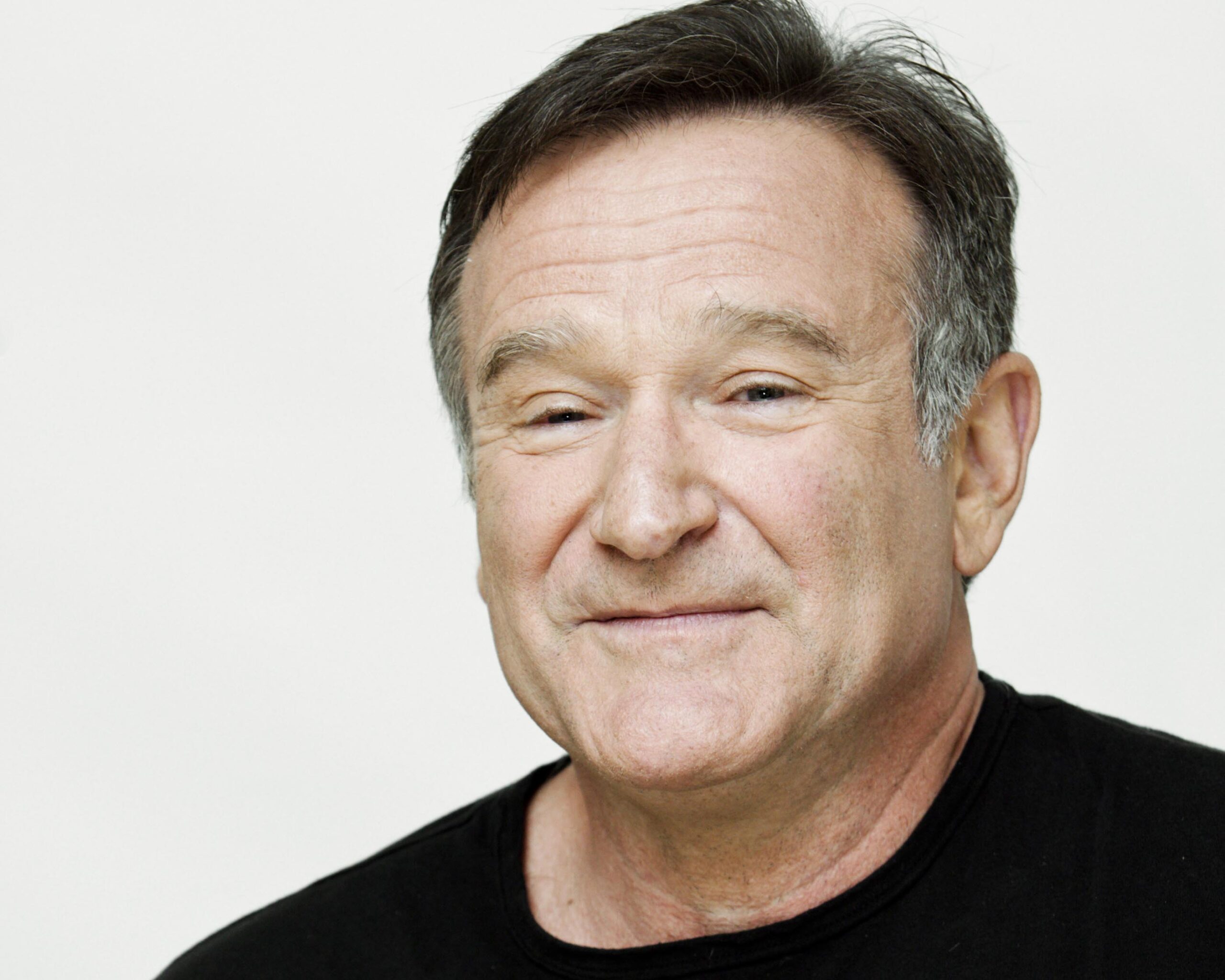
Robin Williams remains one of the most beloved figures in the world of entertainment, known for his extraordinary talent as a comedian and actor. His unique ability to blend humor with profound emotional depth has left a significant mark on both film and live performance. Williams’s legacy is particularly relevant as mental health awareness continues to grow, prompting reflections on his life and struggles.
Career Highlights
Williams first gained widespread recognition in the late 1970s with his role as Mork in the sitcom ‘Mork & Mindy’. His improvisational skills and energetic performances made him a household name. Throughout the 1980s and 1990s, he starred in iconic films such as ‘Good Morning, Vietnam’, ‘Dead Poets Society’, and ‘Mrs. Doubtfire’, earning numerous awards for his work, including an Academy Award for Best Supporting Actor for ‘Good Will Hunting’.
Impact on Mental Health Awareness
Tragically, Williams’s life was cut short in 2014, when he died by suicide. Following his passing, discussions surrounding mental health and the stigmas around it gained momentum. Many fans, celebrities, and mental health advocates began to share their experiences, highlighting the importance of support and awareness for those struggling with mental health issues. In 2018, the documentary ‘Robin Williams: Come Inside My Mind’ offered an insightful look into his life, showcasing both his brilliance and the complex challenges he faced.
Conclusion
Robin Williams’s influence persists through his memorable performances and the conversations surrounding mental health that have been revitalised by his story. As we remember this extraordinary talent, it serves as a reminder of the importance of compassion and understanding towards those fighting unseen battles. His work continues to entertain and inspire people of all ages, solidifying his status as a true icon of comedy and film.