










Introduction
Incident response plans are vital for organisations in an era where cyber threats are both prevalent and increasingly sophisticated. With data breaches becoming a daily concern, implementing a robust incident response plan is crucial for minimising damage, protecting sensitive information, and ensuring a swift recovery from security incidents. As organisations continue to integrate technology into their operations, the relevance of these plans cannot be overstated.
Recent Developments in Cybersecurity
In recent weeks, major corporations have experienced significant vulnerabilities due to inadequate incident response strategies. Recent reports from cybersecurity firms indicate a rise in ransomware attacks, with businesses losing millions while facing operational standstills. Notably, a high-profile attack on a large financial institution demonstrated the flaws in their response plan, leading to prolonged downtime and heightened regulatory scrutiny.
The consequences of insufficient incident response can be dire. According to a study by IBM, the average cost of a data breach has risen to £3.86 million in 2023, emphasising the need for businesses to not only have an incident response plan but to ensure it is regularly updated and tested. Experts argue that a proactive approach to incident response can save companies time and money, as well as protect their reputations.
Components of an Effective Incident Response Plan
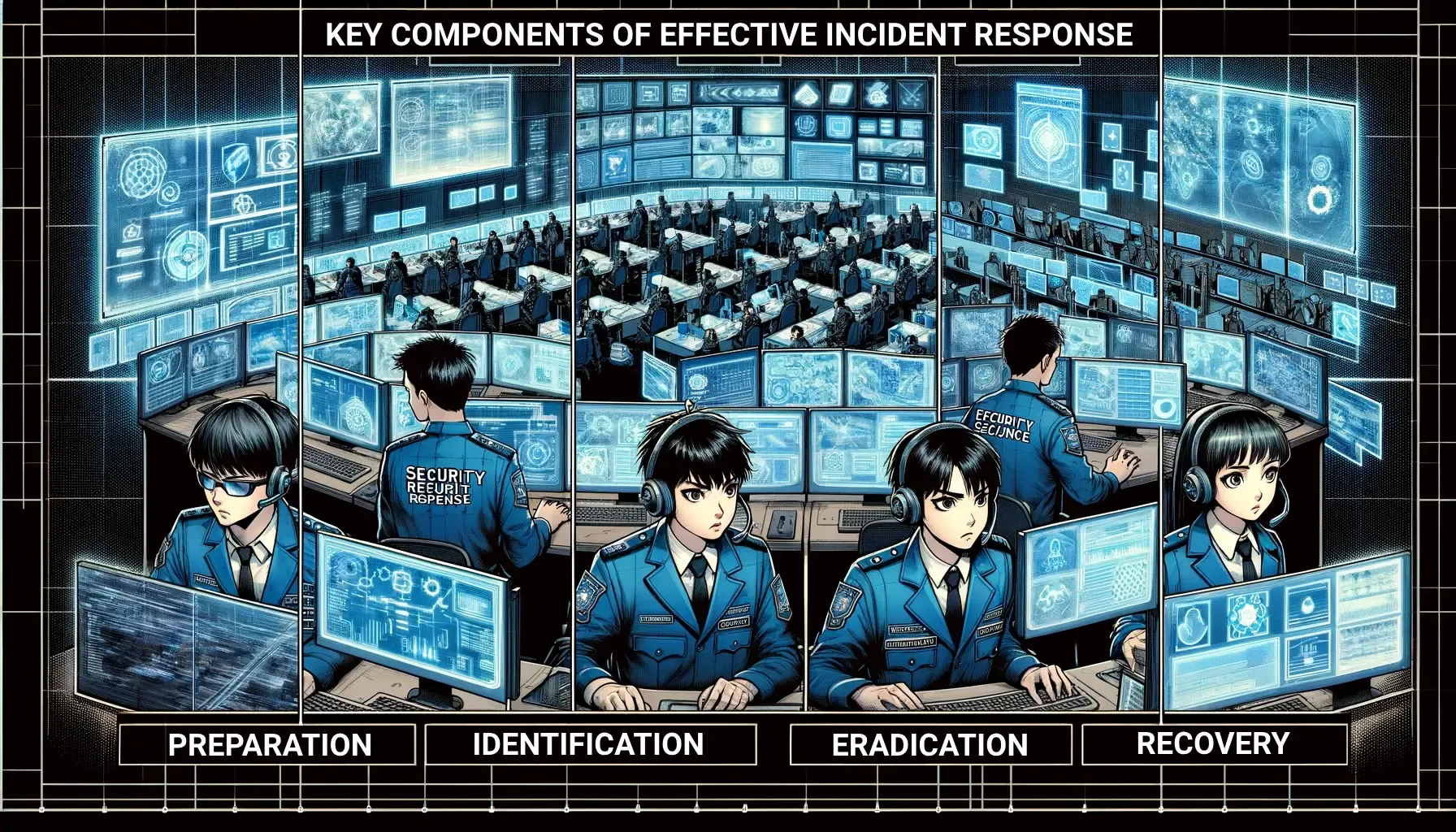
For a plan to be effective, it must include several key components: preparation, detection and analysis, containment, eradication, and recovery. Each phase plays an integral role in managing a security incident. Organisations must ensure that their teams are trained and equipped to respond promptly and efficiently, mitigating the impact of any attacks.
Furthermore, companies are encouraged to conduct regular drills and simulations to test the efficacy of their plans. Such exercises can reveal weaknesses in the response strategy while fostering a culture of security awareness among employees.
Conclusion
In conclusion, the importance of incident response plans cannot be underestimated in a world rife with cyber threats. As attacks become more sophisticated, the necessity for organisations to have well-defined, practiced protocols in place grows exponentially. Businesses that invest in comprehensive incident response plans will not only minimise financial losses but also enhance customer trust and ensure compliance with regulatory requirements. Looking ahead, companies that prioritise these strategies will be better prepared to face inevitable security challenges in the years to come.