









Introduction
The polar vortex is a significant atmospheric phenomenon that significantly impacts winter weather patterns across the Northern Hemisphere. As we enter the colder months, understanding the polar vortex split forecast becomes essential for meteorologists and the general public alike. A split or displacement of the polar vortex can lead to extreme weather events, such as unusually cold temperatures and heavy snowfall in certain regions.
What is the Polar Vortex?
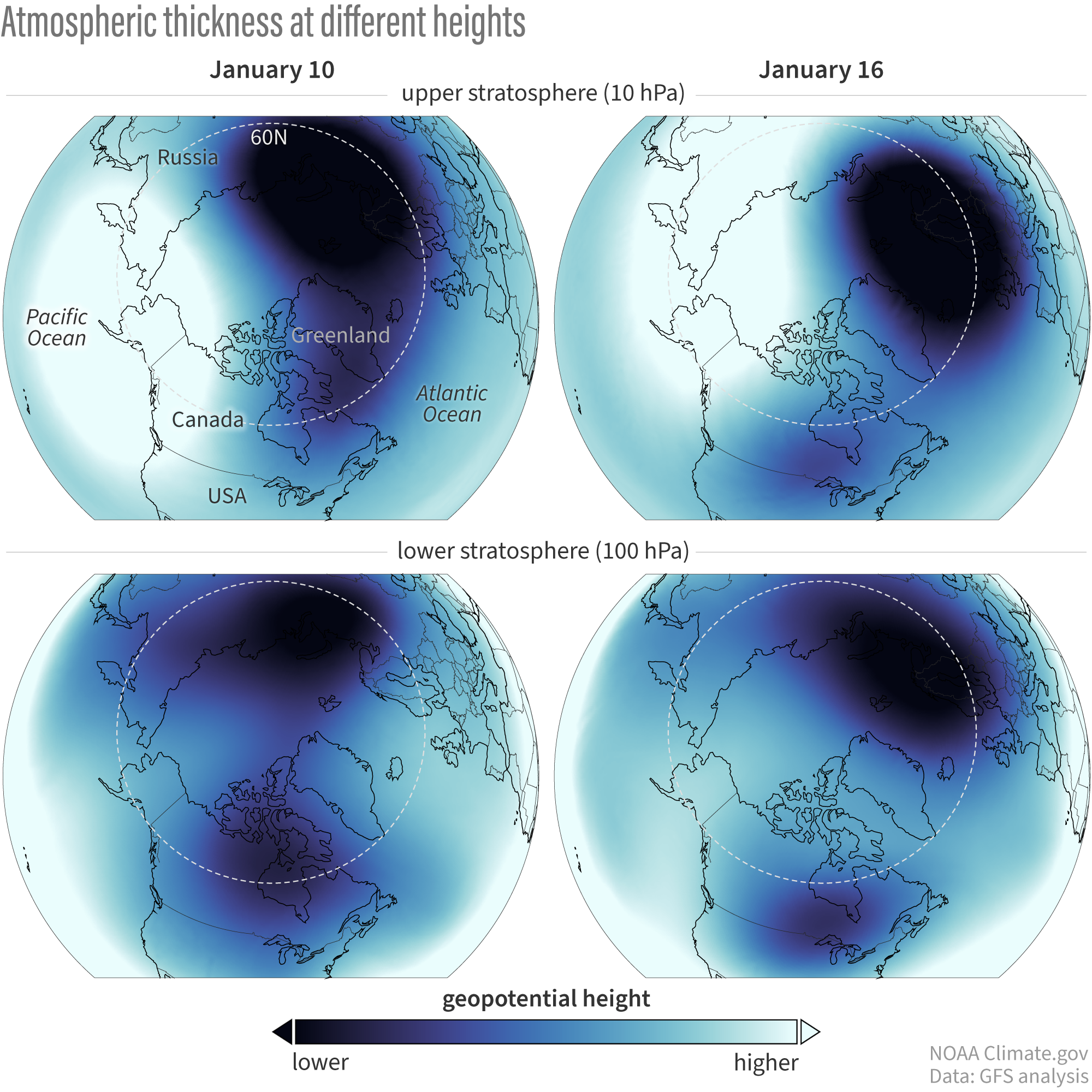
The polar vortex consists of a large area of low pressure and cold air surrounding the Earth’s poles. During winter, this vortex can strengthen or weaken, sometimes resulting in a split, where one part of the vortex travels towards the mid-latitudes. This phenomenon can bring extreme cold to parts of the United States and Europe, prompting discussions about preparedness.
Current Forecasts and Observations
As of late October 2023, meteorological models are indicating a potential split in the polar vortex occurring within the next few weeks. The National Oceanic and Atmospheric Administration (NOAA) has reported fluctuations in atmospheric pressure that could lead to this split, which may temporarily shift cold air from the Arctic into lower latitudes. This scenario could result in significant weather changes across North America and Europe as early as November.
Early signs of a polar vortex split have been observed, with notable disturbances detected in atmospheric circulation. Experts are particularly focusing on variations in stratospheric temperatures, which are crucial indicators of the polar vortex’s health and stability. As these temperatures fluctuate, they provide valuable insights into whether a split will happen.
Implications of a Polar Vortex Split
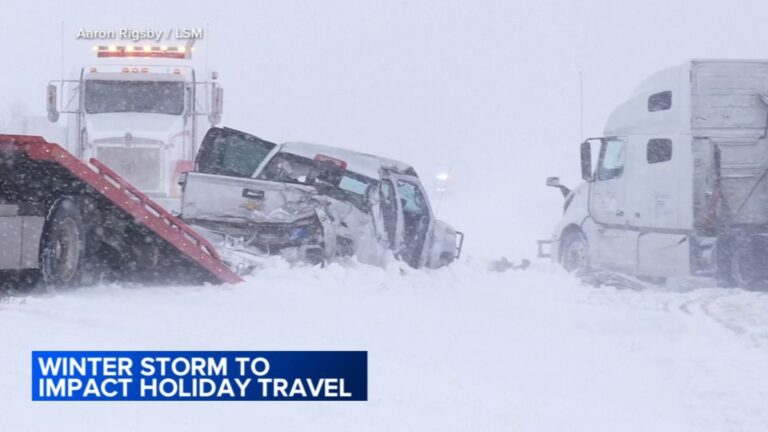
A polar vortex split typically leads to two primary outcomes: cooler temperatures and increased snowfall. Areas often affected include the northern United States, where residents may prepare for unusual weather patterns, including harsh cold spells and potential winter storms. Conversely, regions that are typically colder may experience milder weather conditions if the vortex reverses course or remains stable.
Conclusion
The polar vortex split forecast is not just a meteorological curiosity but a critical tool for predicting severe weather events. As forecasts continue to evolve, staying informed through reputable sources such as the NOAA will be paramount for those affected by winter conditions. This upcoming season is likely to be shaped significantly by the status of the polar vortex, making it essential to monitor developments closely. As we brace ourselves for the winter months, understanding and preparing for the potential impacts of a split polar vortex could make a crucial difference for many households.