










Introduction
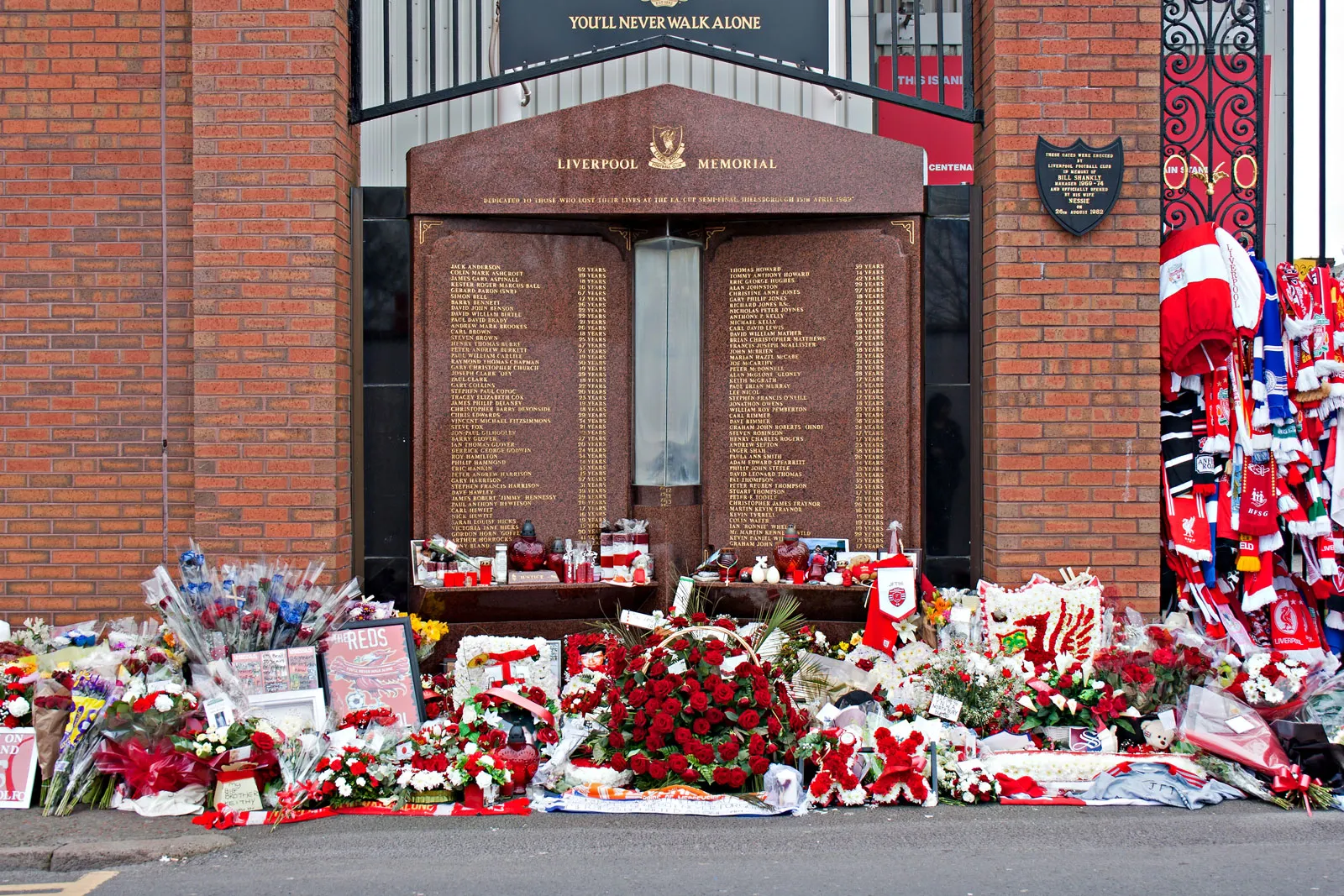
The Hillsborough Disaster, which occurred on 15 April 1989, is often regarded as one of the most significant tragedies in the history of British sport. During an FA Cup semi-final match between Liverpool and Nottingham Forest at Hillsborough Stadium in Sheffield, a fatal crush led to the deaths of 96 Liverpool supporters. Understanding this event is crucial, as it raised critical questions about crowd safety, police procedures, and accountability in football, ultimately leading to reforms in stadium safety measures.
The Events of the Day
On the fateful day, nearly 24,000 Liverpool fans were in attendance at Hillsborough Stadium, which had a capacity of around 39,000. Due to poor crowd management, thousands of fans were funneled into a confined standing area, resulting in an overcrowded situation. Within minutes, the pressure of the fans became too great, leading to a crush that caused the suffocation of many individuals standing at the front. Emergency services faced immense challenges reaching the injured, which exacerbated the tragedy.
Aftermath and Inquiries
In the wake of the disaster, there was an immediate outcry for justice and accountability. Initial reports misattributed blame to the fans, sparking outrage among the victims’ families and the wider public. Over the years, multiple inquiries were conducted, leading to the Hillsborough Independent Panel’s report in 2012. This pivotal document revealed that the police had altered statements to avoid responsibility, and it recognised that the actions of the police and poorly maintained stadium conditions played a significant role in the disaster.
Legislative Changes and Modern Implications
The Hillsborough Disaster was a catalyst for major changes in UK football. The Taylor Report, published in 1990, recommended the removal of standing terraces in favour of all-seater stadiums to improve crowd management and safety. This report has had a lasting impact on stadium design and operational procedures across the UK and helped to restore faith in the governing bodies of football.
Conclusion
Decades after the Hillsborough Disaster, the pain and grief felt by the families of the victims remain palpable. The calls for justice and accountability have led to greater awareness and strides in fan safety measures in sporting events. As we reflect on this significant historical moment, it reminds us of the ongoing responsibility to protect fans and ensure such a tragedy is never repeated. The legacy of Hillsborough continues to influence discussions about safety in sports and the importance of ethical accountability within football governance.