









Introduction to Armenia
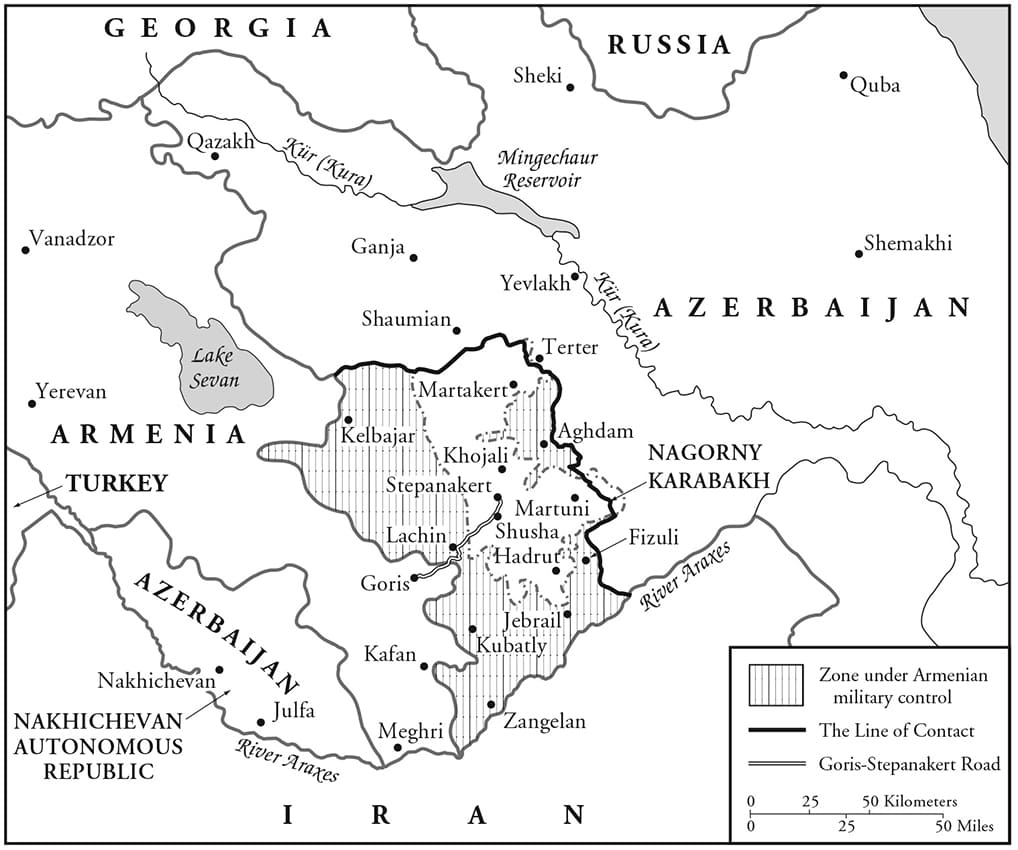
Armenia, a landlocked country in the South Caucasus region of Eurasia, is known for its rich cultural heritage and strategic geopolitical significance. Given its historical conflicts, particularly with neighbouring Azerbaijan over Nagorno-Karabakh, the current state of Armenia is of substantial interest to geopolitical analysts and the international community at large.
Recent Political Developments
As of late 2023, Armenia’s political landscape has been shaped by ongoing efforts to strengthen democracy and secure sovereignty. Following the ceasefire agreement in 2020 after the Nagorno-Karabakh war, the Armenian government, led by Prime Minister Nikol Pashinyan, is focusing on internal reforms and combating corruption. In recent parliamentary sessions, discussions around constitutional reforms have gained traction, aimed at enhancing judicial independence and restoring public faith in government institutions.
Regional Relations and Security Challenges
Armenia’s relationship with its neighbour Azerbaijan remains tense but crucial to monitor. After clashes earlier in the year, both nations have engaged in international diplomacy, mediated primarily by Russia and the European Union, aiming to establish a lasting peace that encompasses territorial integrity and security assurances. Conversely, Armenia has also sought to bolster relations with the West and NATO, a move that could shift regional power dynamics.
Economic Context
Despite these challenges, Armenia’s economy has shown signs of resilience, aiming to recover from the impacts of the pandemic and regional conflicts. The government is focusing on attracting foreign investment and fostering innovation, particularly in the tech sector, which has seen substantial growth. Various initiatives are underway to promote IT entrepreneurship, with the aim of making Armenia a regional tech hub.
Conclusion: Future Prospects
Going forward, Armenia stands at a crossroads, facing both challenges and opportunities. The continued commitment to democratic reforms and the desire for peaceful coexistence with neighbours will play pivotal roles in shaping the country’s future. For citizens and policymakers, understanding these dynamics is essential as they navigate through a landscape defined by historical grievances and contemporary aspirations. The international community, on its part, must remain engaged to support Armenia’s quest for stability and development, recognising its strategic importance in the South Caucasus.