








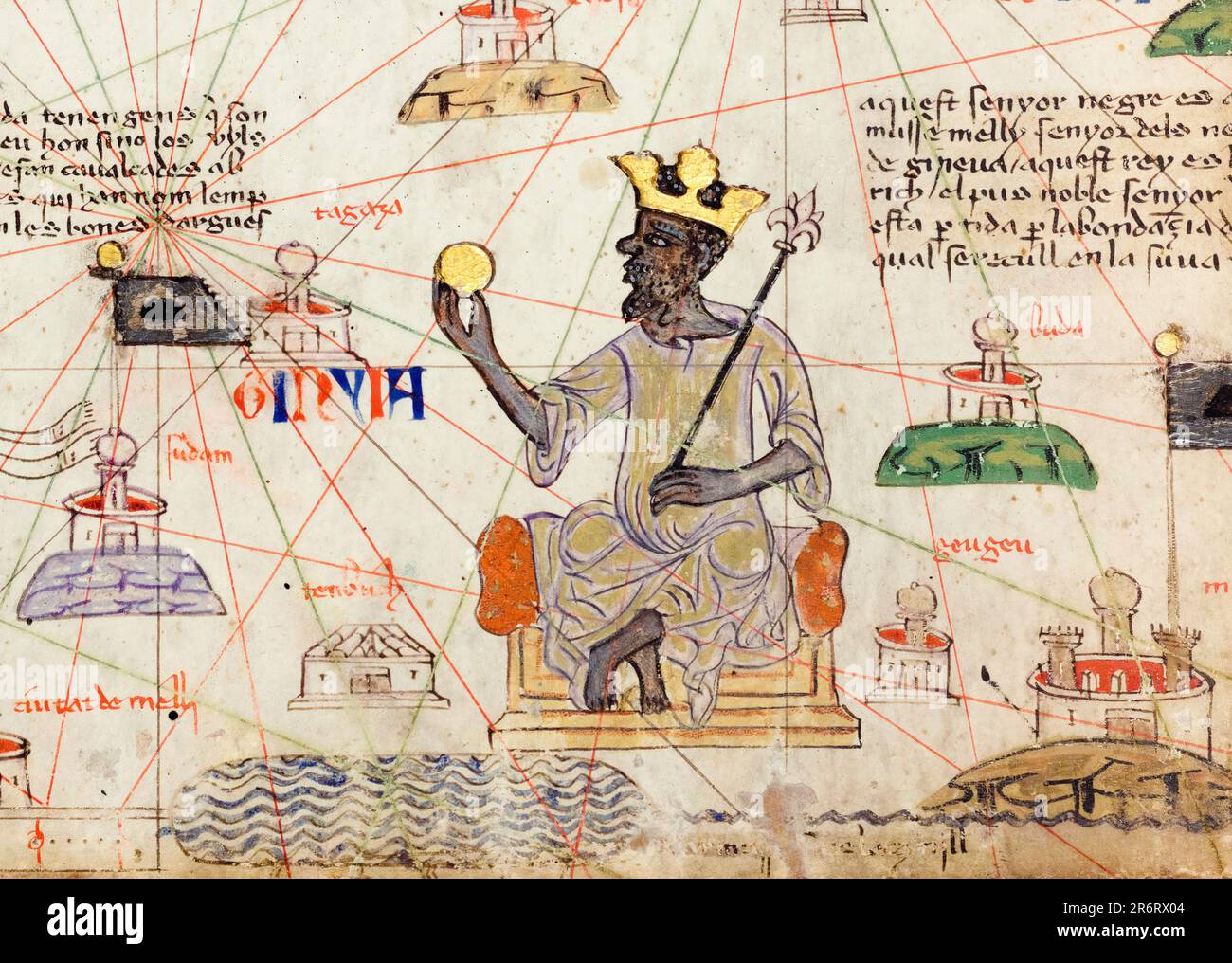
Introduction
Mali is a landlocked country located in West Africa, known for its rich history and cultural heritage. However, the nation has faced significant challenges over the past decade, including political instability, security issues, and humanitarian crises. Understanding the current situation in Mali is crucial for not only its citizens but also for international stakeholders involved in peacekeeping and development efforts.
Recent Developments
Since 2020, Mali has experienced a series of political upheavals, most notably a coup d’état that ousted President Ibrahim Boubacar Keïta. This led to a transitional government, which promised a return to civilian rule. However, tensions have remained high, with protests against perceived government inaction and a rising wave of violence from extremist groups.
The security situation in Mali has been further complicated by the presence of jihadist groups in the northern and central regions. Organizations linked to Al-Qaeda and ISIS continue to execute attacks against military and civilian targets. According to the United Nations, the violence has displaced over 350,000 people and necessitated humanitarian assistance for millions.
International Response
The international community has been involved in addressing Mali’s crises through various means. The United Nations Multidimensional Integrated Stabilization Mission in Mali (MINUSMA), which has been on the ground since 2013, aims to support the transitional government and stabilise the region. Meanwhile, regional bodies such as ECOWAS have also attempted to mediate peace and promote democratic governance.
In recent months, however, there has been growing frustration regarding the effectiveness of these interventions. Many in Mali believe that foreign forces, including the French military presence, are not providing the expected security outcomes. This sentiment has fed into a broader rise in nationalism and calls for a more independent security strategy.
Significance for the Future
The ongoing challenges in Mali pose significant threats not only to national stability but to the broader Sahel region. The intertwining issues of political legitimacy, security threats, and humanitarian needs present a complex landscape that requires coordinated efforts from both the Malian government and the international community.
As Mali approaches a critical phase of potential elections, the stakes are high. The commitment to returning to civilian rule while addressing security and social issues will be essential. International observers stress the importance of constructive dialogue among stakeholders to ensure a peaceful, democratic process.
Conclusion
Mali’s situation is a stark reminder of the intricate challenges faced in maintaining peace and governance in fragile states. As events unfold, the implications will resonate far beyond its borders, and the need for a concerted and nuanced approach will be essential to foster stability and promote the well-being of its population.