








The Importance of Flood Warnings
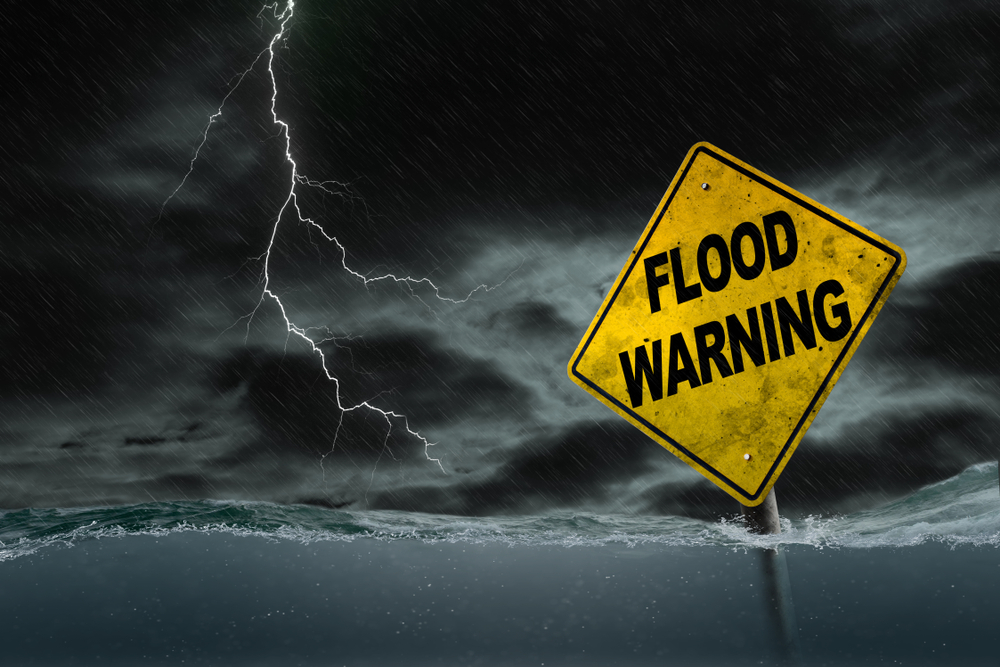
As climate change increasingly marks its presence across the UK, flood warnings have become a vital tool for safeguarding communities. These warnings play a crucial role in alerting residents to impending flood risks, allowing them to take necessary precautions and minimise damage to property and life.
Current Flood Warnings in the UK
Recently, the Environment Agency has issued a series of flood warnings across various regions of the country, particularly focusing on areas prone to heavy rainfall and river overflow. In the last week, Severe Flood Warnings were declared in regions including Yorkshire and the North West, where persistent rain has caused river levels to rise dangerously.
According to the latest updates from the Environment Agency, up to 50mm of rainfall is expected in some areas over the next 48 hours, further exacerbating the already critical conditions. Residents are urged to remain vigilant and adhere to advice from local authorities. Evacuation plans and resource centres have been established in at-risk areas to ensure community safety.
Impact and Response
The consequences of flooding can be devastating. Emergency services throughout the UK are on high alert, prepared to respond swiftly should the situation escalate. Local communities are working alongside authorities, volunteering to assist with sandbagging and providing support for affected families. The Met Office has also warned of potential further adverse weather conditions, indicating that this might not be a one-time event.
Looking Ahead
Though forecast models predict an eventual return to stable weather patterns, experts caution against complacency. Continuous monitoring and effective flood warning systems will remain essential going forward. Authorities recommend residents stay informed through the Environment Agency’s website and the Met Office alerts, as conditions can change rapidly.
In conclusion, while flood warnings are a critical part of disaster management, it’s important for communities to be proactive rather than reactive. As we face the realities of climate change, understanding the warnings and knowing how to respond can potentially save lives and reduce damage during future flooding events.