









Introduction to the Mar Menor
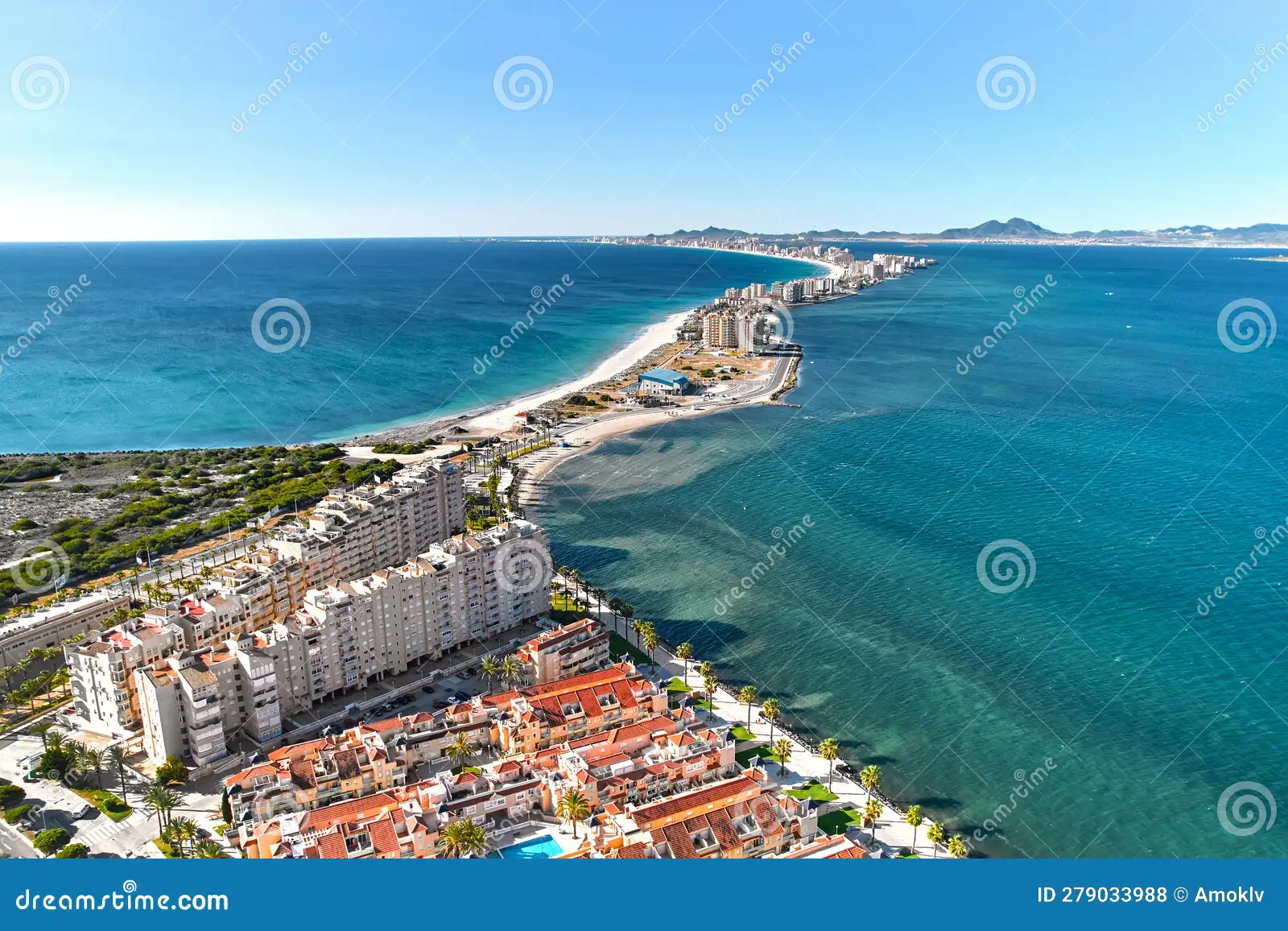
The Mar Menor, located in southeastern Spain, is known as Europe’s largest saltwater lagoon. It spans approximately 170 square kilometres and is separated from the Mediterranean Sea by a narrow strip of land known as La Manga. The lagoon’s unique biodiversity, tranquil waters, and rich history make it an important ecological and cultural asset. However, the Mar Menor is currently facing severe environmental challenges, making it a critical topic for conservation efforts and regional policies.
Current Challenges Facing the Mar Menor
In recent years, the Mar Menor has become increasingly problematic due to pollution, primarily from agricultural runoff. The use of fertilisers and pesticides in the regions surrounding the lagoon has resulted in algal blooms that threaten marine life and water quality. These blooms consume oxygen and can lead to the death of fish and other aquatic creatures. As of 2023, various environmental groups, including Sea Shepherd and Greenpeace, have raised alarms about the dismal condition of the lagoon and are advocating for immediate action from the local and national governments.
Recent Initiatives and Responses
The Spanish government has been urged to implement more stringent regulations on farming practices and to invest in sustainable agricultural techniques that minimise chemical runoff. Additionally, local authorities have collaborated with environmental organisations to promote ecotourism and community awareness initiatives. In June 2023, the municipal government launched a campaign named “Save Our Lagoon” aimed at cleaning up the Mar Menor and restoring its habitats.
The Significance of the Mar Menor
The ecological importance of the Mar Menor cannot be understated. It serves as a habitat for numerous species, including migratory birds and various aquatic organisms. Moreover, the lagoon’s warm, shallow waters make it a popular destination for water sports and tourism, significantly contributing to the local economy. Protecting this unique environment is crucial not only for the biodiversity it supports but also for sustaining the livelihoods of those who depend on its resources.
Conclusion: The Path Forward
To secure the future of the Mar Menor, a concerted effort from all stakeholders is essential. This includes local governments, farmers, businesses, and residents alike. As the situation evolves, it is imperative for policymakers to prioritise sustainable practices that protect this precious lagoon. The ongoing dialogue and actions taken in the coming months will be pivotal in determining the fate of the Mar Menor and ensuring that it continues to thrive for generations to come.