








Introduction
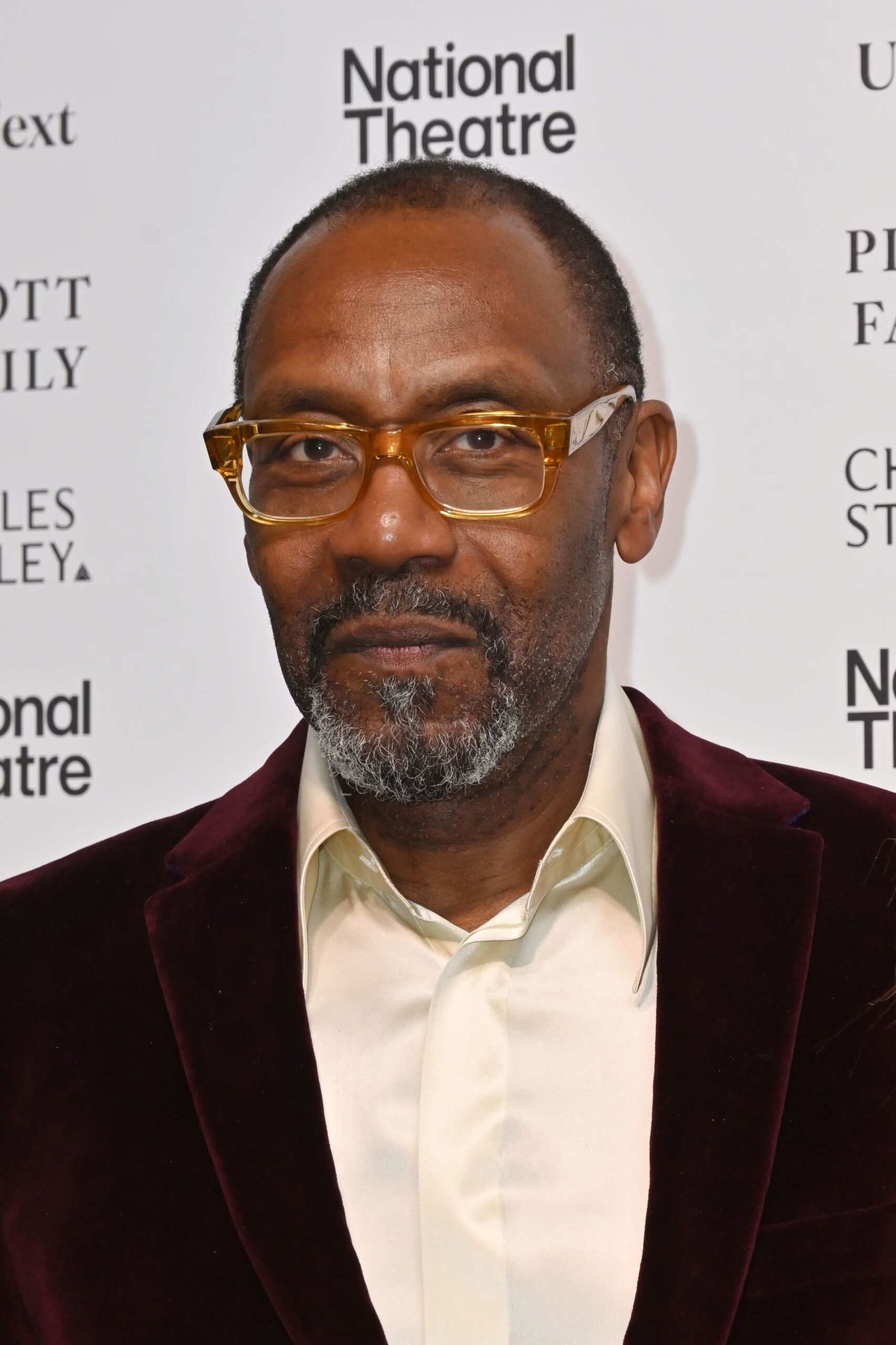
Lenny Henry is a name synonymous with British comedy and acting, having carved out a significant legacy over his decades-long career. As a multi-talented performer, he has become a celebrated figure not only in the realm of entertainment but also as an advocate for social issues. His work showcases the diversity of British culture and the importance of representation in media, making him a vital figure in contemporary British society.
Early Life and Career
Born on August 29, 1958, in Dudley, England, Lenny Henry first gained recognition as a comedian during his teenage years. Initially performing at talent shows and working his way up through the ranks, he found national fame in the 1970s and 1980s through his appearances on BBC’s New Faces, leading to a starring role in the long-running show Three of a Kind. His work throughout the 1980s not only highlighted his comedic prowess but also showcased his ability to tackle serious themes with wit.
Major Contributions and Achievements
Throughout his career, Henry has been involved in various high-profile television projects, including the well-loved The Lenny Henry Show, which earned him critical acclaim and multiple awards. He is also known for his stand-up comedy tours and performances that address important social and political issues, including race and identity.
In addition to his work as a comedian, Henry has made significant strides in acting, taking on roles in various dramas and films, including Broadchurch and The Commons. His contributions to the arts were recognised in 2015 when he was awarded a knighthood for his services to drama and charity.
Recent Developments
Recently, Henry has returned to the forefront of public attention with his participation in projects that address current social issues. His documentary series and engaging public speaking events have focused on racial equality and his personal experiences growing up as a Black man in Britain.
Conclusion
Lenny Henry’s influence extends far beyond entertainment, as he has played a crucial role in advocating for diversity and inclusion in the arts. With a career spanning over four decades, his legacy will undoubtedly continue to inspire new generations of comedians and actors. As he continues to evolve his craft, Henry’s relevance in today’s society remains strong, reflecting the ongoing dialogue about race, representation, and the power of comedy to enact change.