









Introduction
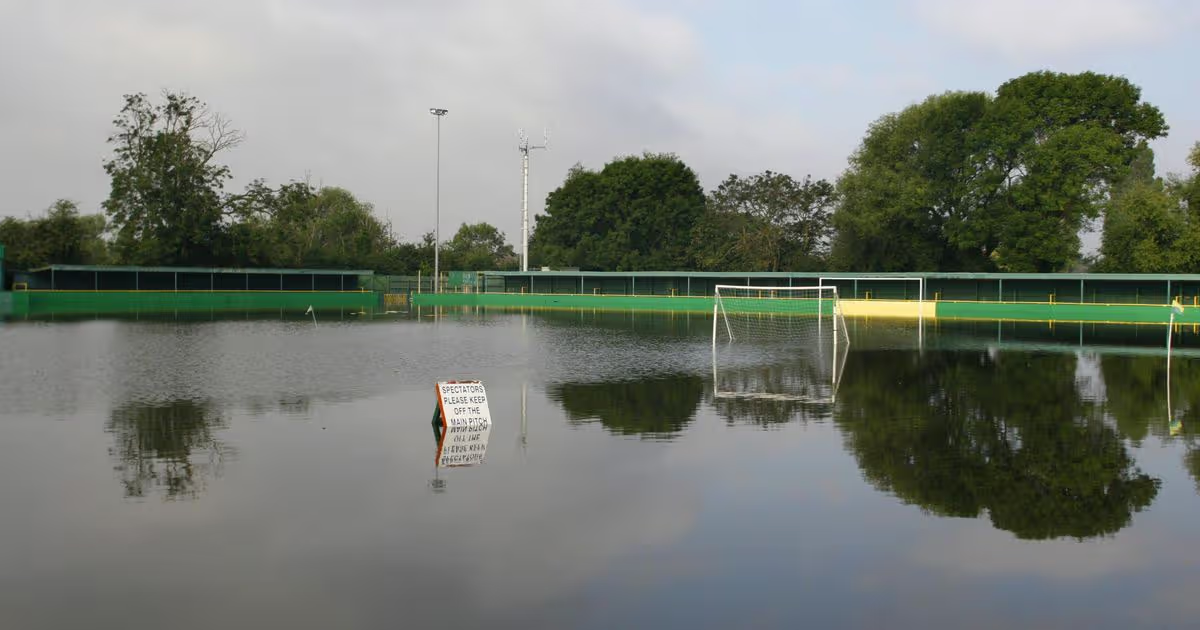
As climate change continues to intensify weather patterns, flood events have become increasingly common in the United Kingdom. Flood warnings play a crucial role in safeguarding lives and properties by providing timely alerts to those vulnerable to flooding. Understanding the mechanisms behind these warnings and their significance is vital for residents in flood-prone areas, particularly as the UK braces for a wetter winter.
Current Situation
According to the Environment Agency, recent forecasts predict heavy rainfall across various regions, prompting the issue of numerous flood warnings. Areas in the West Midlands, North West England, and parts of Wales have seen alerts issued due to rising water levels in rivers and streams. As of late September 2023, over 50 flood alerts remain in place across the UK, indicating potential flooding that could affect homes and infrastructure.
Types of Flood Warnings
The UK operates a system of flood warnings that categorizes risk levels into three main types:
- Flood Alert: Indicates that flooding is possible and residents should prepare.
- Flood Warning: Signifies that flooding is expected and immediate action is required.
- Severe Flood Warning: Represents a significant risk to life and property, urging people to take immediate precautions.
These warnings are disseminated via multiple channels, including local radio stations, social media, and the official Environment Agency website, ensuring communities are equipped to respond promptly.
Community Response and Preparedness
In light of the escalating flood risks, local authorities have initiated community outreach programmes to ensure residents are prepared. Workshops are being held to educate the public on developing personal emergency plans and understanding local flood risks. Many councils are also advising residents to check flood alerts regularly and to have emergency kits prepared.
Conclusion
With the increasing volatility of weather patterns, the significance of flood warnings cannot be overstated. They are essential not only as a means of alerting citizens but also in fostering a culture of preparedness and resilience within affected communities. Experts predict that as rainfall patterns become more erratic, the demand for effective flood warning systems and community preparedness initiatives will only grow. Therefore, staying informed and vigilant remains paramount for everyone living in flood-prone areas across the UK.