









Introduction to Solar Flares
Solar flares are sudden eruptions of energy on the sun’s surface, and they play a crucial role in impacting space weather. Understanding solar flares is essential because they can affect satellite operations, communications, and even power grids on Earth. As scientists continue to monitor and study these phenomena, the relevance of their findings becomes increasingly significant, especially in our technology-dependent society.
What Are Solar Flares?
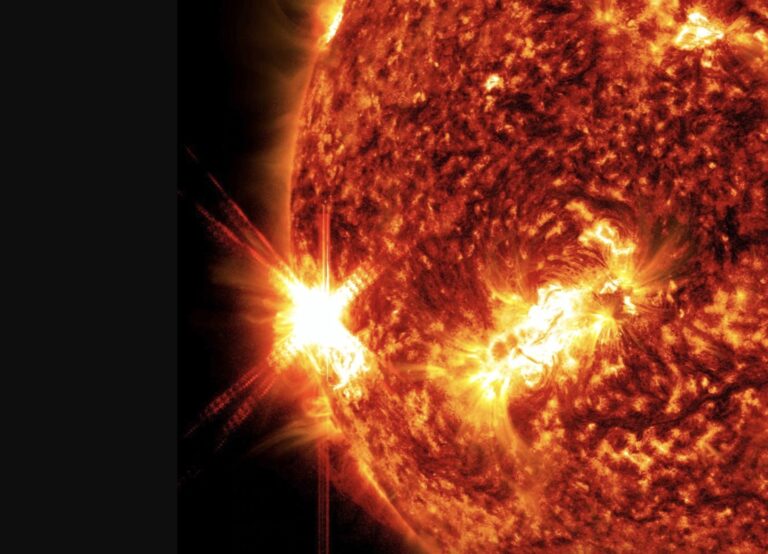
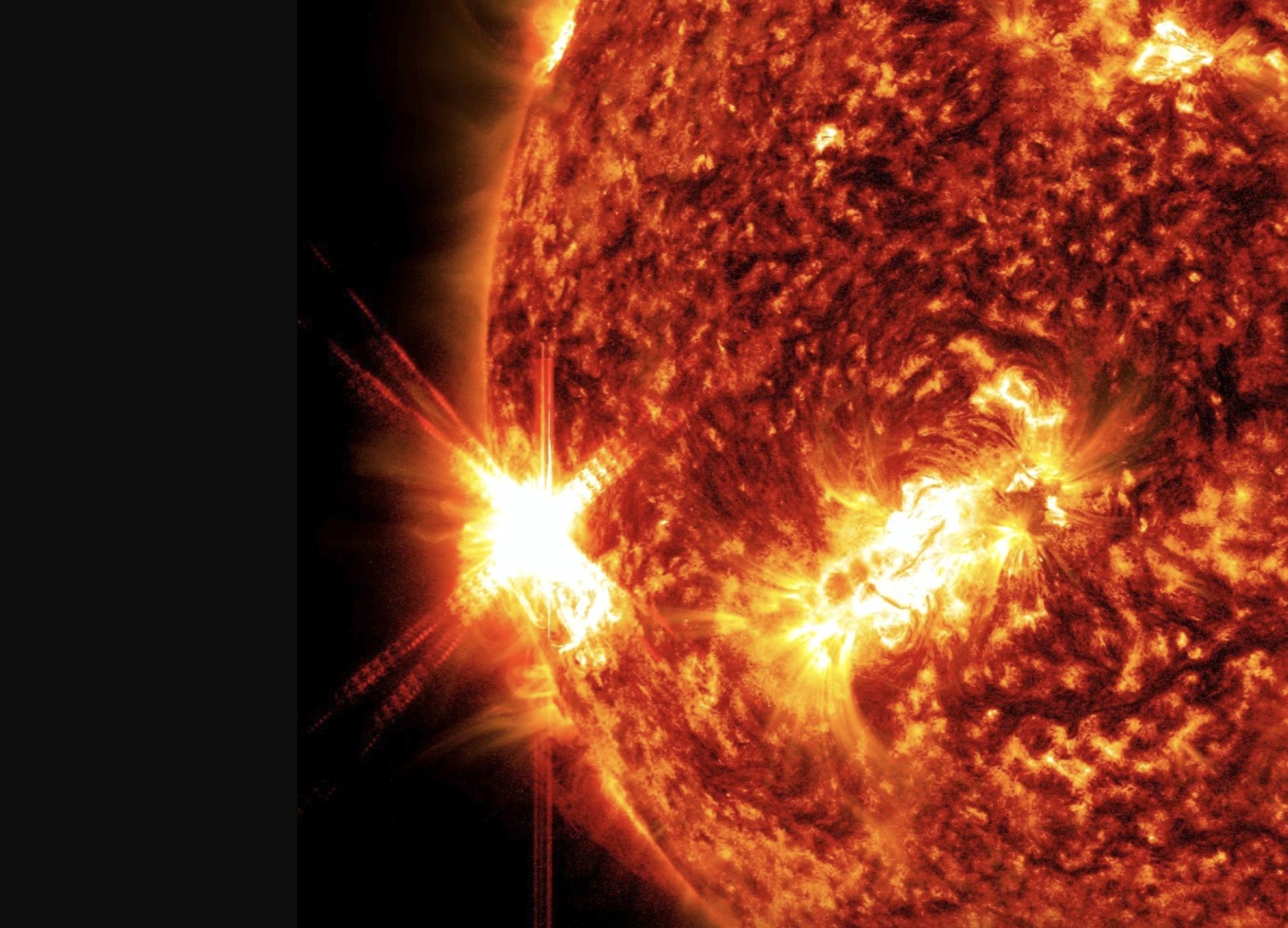
Solar flares are intense bursts of radiation that result from complex magnetic activity on the sun. They can release an enormous amount of energy, equivalent to millions of hydrogen bombs detonating simultaneously. These flares can last from minutes to hours and often originate from sunspots, regions of intense magnetic fields.
Recent Events
In recent weeks, the sun has experienced a series of solar flares, including several notable X-class flares, which are the most intense type. These events were recorded by various space observatories, leading to heightened alert levels within space weather forecasting agencies like NOAA’s Space Weather Prediction Center. The X-class flares have the potential to disrupt communications and power systems on Earth.
Impact on Earth
The impact of solar flares is not to be underestimated. On March 28, 2023, a significant solar flare caused brief radio blackouts in areas like the Pacific Ocean and parts of Asia. Additionally, the energetic particles from solar flares can trigger geomagnetic storms, which may lead to spectacular auroras or adversely affect satellite functionality and GPS systems.
Future Forecasts
As we progress into solar cycle 25, scientists anticipate more solar activity, including an increase in flares as the sun approaches its solar maximum in the coming years. This period is projected to peak in 2025, heightening the expectancy of solar events and their corresponding effects on Earth’s technological systems.
Conclusion
Understanding solar flares is critical for advancing our preparedness for potential disruptions they might cause. Continuous monitoring and research by agencies around the world will help mitigate risks and enhance our understanding of the sun’s influence on our planet. As technology continuously evolves, further studies into solar flares will be vital to protect our infrastructure and ensure the safety of satellite operations.