









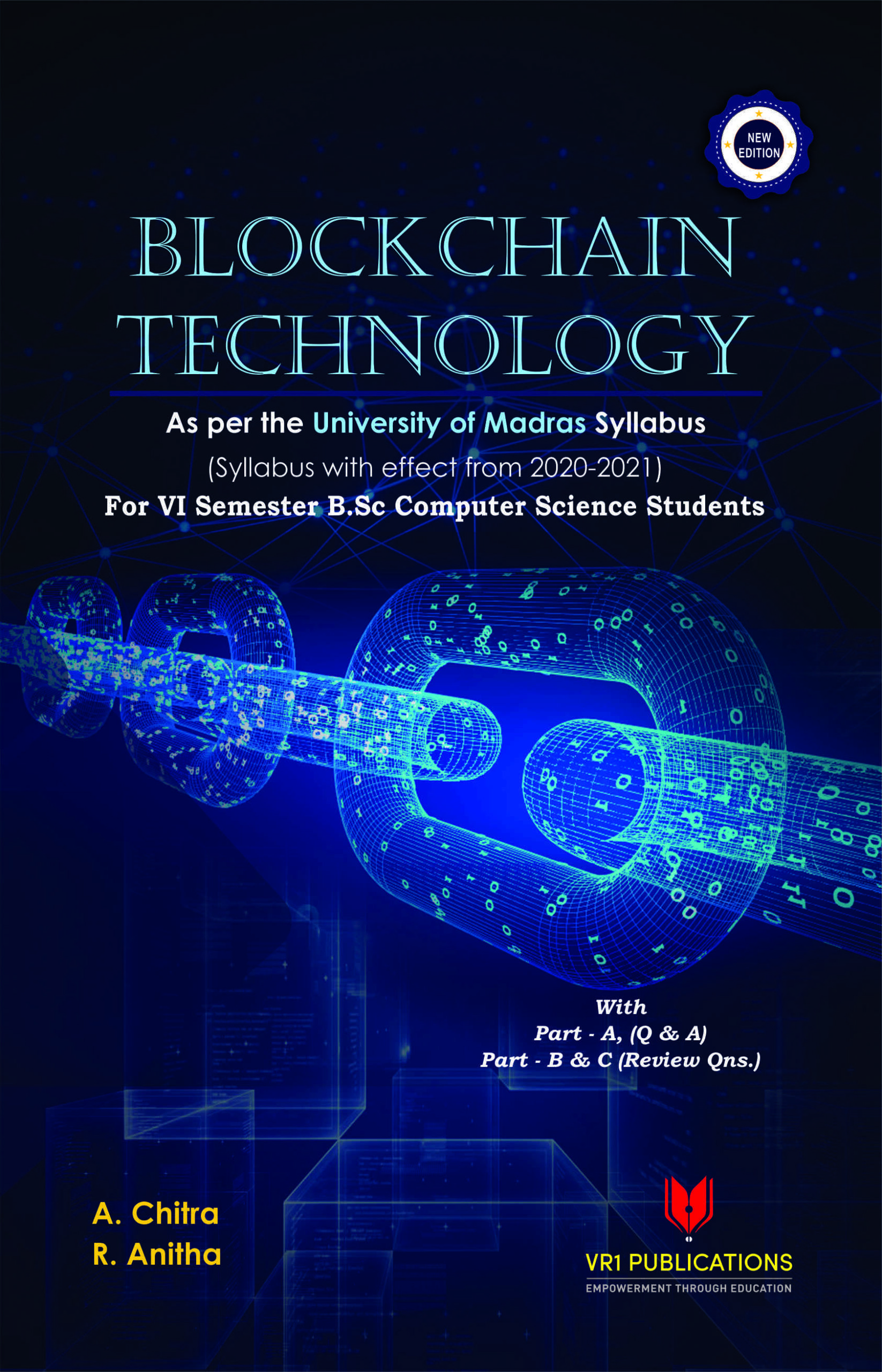
Introduction to Blockchain Technology
Blockchain technology stands as one of the most transformative innovations of the 21st century, revolutionising the way various sectors operate. Its core feature—a decentralised ledger—ensures transparency, security, and trust in transactions. As digital transformation continues across industries, understanding blockchain technology is crucial for businesses and individuals alike.
Recent Developments in Blockchain Technology
In recent years, blockchain has seen exponential growth and adoption. Major banks and financial institutions are investing significantly in this technology, with many launching pilot projects and services that utilise blockchain for transactions. For instance, the UK banking sector is exploring blockchain applications for streamlining cross-border payments, reducing settlement times, and enhancing regulatory compliance.
According to a report by MarketsandMarkets, the global blockchain technology market is expected to grow from USD 3 billion in 2020 to USD 69 billion by 2026, indicating a compound annual growth rate (CAGR) of 67.3%. This growth is propelled by increasing demand for transparency and security across various economic sectors.
Applications of Blockchain Technology
Beyond cryptocurrency, blockchain technology is being employed in several sectors, including supply chain management, healthcare, and digital identity verification. For example, Walmart has implemented blockchain to track food products’ journey, significantly enhancing its food safety protocols. In healthcare, blockchain is used to securely store patient records, ensuring both privacy and accessibility.
The Future of Blockchain Technology
As blockchain continues to evolve, experts predict its integration into the Internet of Things (IoT) and artificial intelligence (AI). This combination may create smarter contracts and more secure networks for data sharing. Furthermore, governments are increasingly interested in exploring Central Bank Digital Currencies (CBDCs), which leverage blockchain technology to provide a digital form of fiat currency.
Conclusion
In summary, blockchain technology is not only reshaping financial transactions but also influencing a wide array of industries. Its potential for enhancing security, transparency, and efficiency cannot be understated. As innovation continues to drive this technology forward, businesses and individuals who adapt will undoubtedly find themselves at a competitive advantage. Understanding blockchain technology is no longer optional; it is a necessity for future success in an increasingly digital world.