










Introduction to Statins and Their Importance
Statins, a class of medications used to lower cholesterol levels, are widely prescribed to help prevent cardiovascular diseases. They play a crucial role in managing cholesterol for millions of patients worldwide, often providing a significant benefit in reducing the risk of heart attacks and strokes. However, as with any medication, statins can come with potential side effects that both patients and healthcare providers should be aware of for safe and effective treatment.
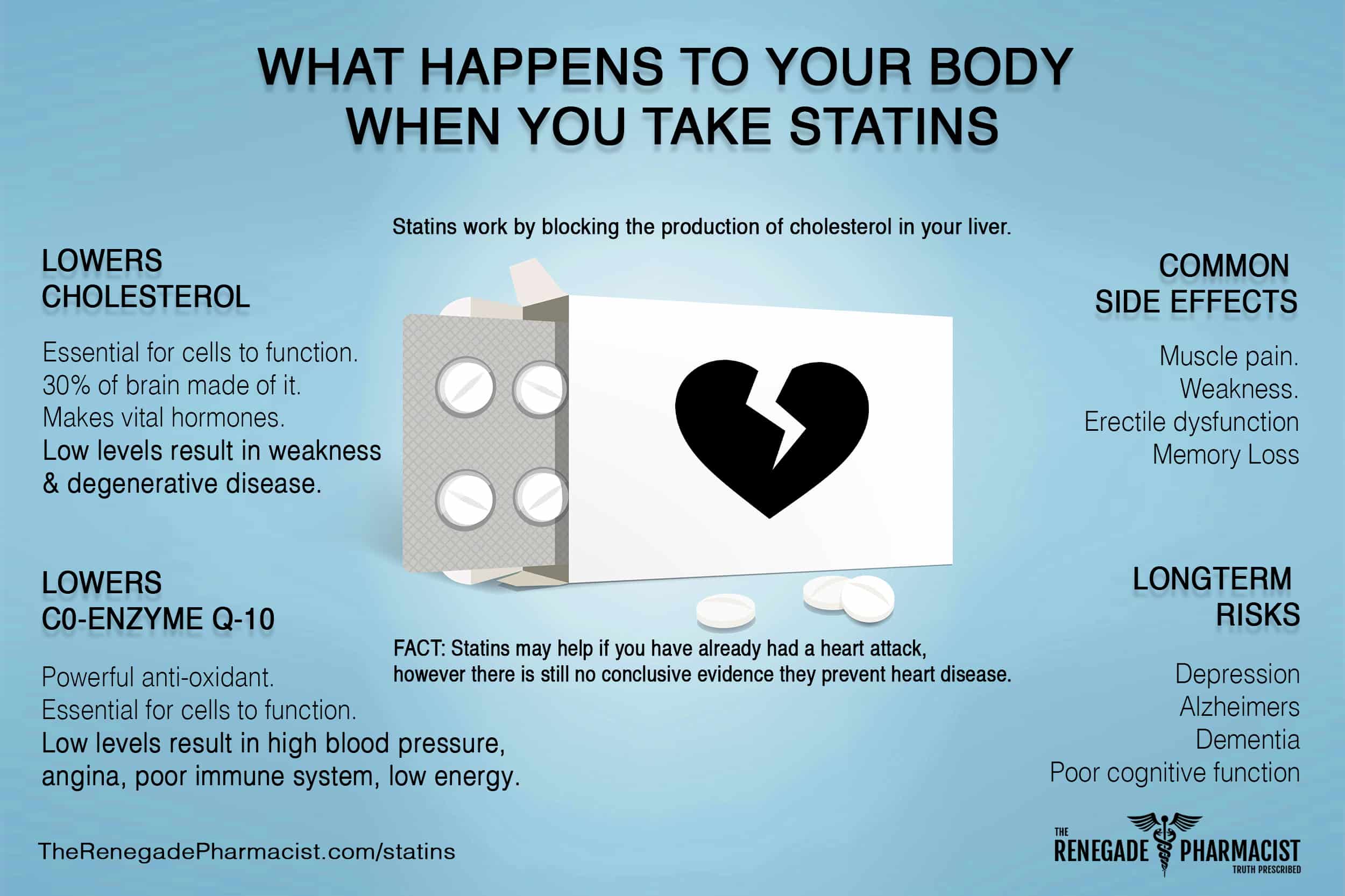
Common Side Effects of Statins
Many patients tolerate statins well, but some report experiencing side effects. The most commonly reported side effects include:
- Muscle Pain: This is one of the most frequent complaints among statin users and can vary from mild discomfort to severe pain.
- Digestive Issues: Patients may experience nausea, diarrhoea, or constipation, which can lead to discontinuation of therapy in some cases.
- Fatigue: Some individuals report feeling unusually tired or fatigued while on statins, although this is less common.
Serious Side Effects to Consider
While the majority of users experience mild side effects, there are serious risks associated with statins that warrant attention:
- Rhabdomyolysis: Although rare, this severe condition occurs when muscle tissue breaks down, potentially leading to kidney damage.
- Increased Risk of Diabetes: Studies suggest that statin use may be associated with a slightly increased risk of developing type 2 diabetes.
- Liver Damage: Statins can cause liver enzyme levels to rise, which may indicate liver damage in severe cases.
Managing Side Effects
For patients experiencing side effects, it is essential to communicate with healthcare providers. Adjusting the dose, switching to a different statin, or incorporating lifestyle changes can often effectively address these concerns. Monitoring through regular blood tests can also help manage risks, particularly concerning liver function and glucose levels.
Conclusion: Importance of Monitoring and Awareness
Understanding the potential side effects of statins is vital for any patient undergoing treatment for high cholesterol. While the benefits of statins in reducing cardiovascular risks often outweigh the risks, awareness and monitoring are key. Patients should not hesitate to discuss concerns with their healthcare provider, providing a platform for shared decision-making and personalised treatment. Staying informed and proactive can lead to better health outcomes while ensuring a safe experience with statin therapy.