










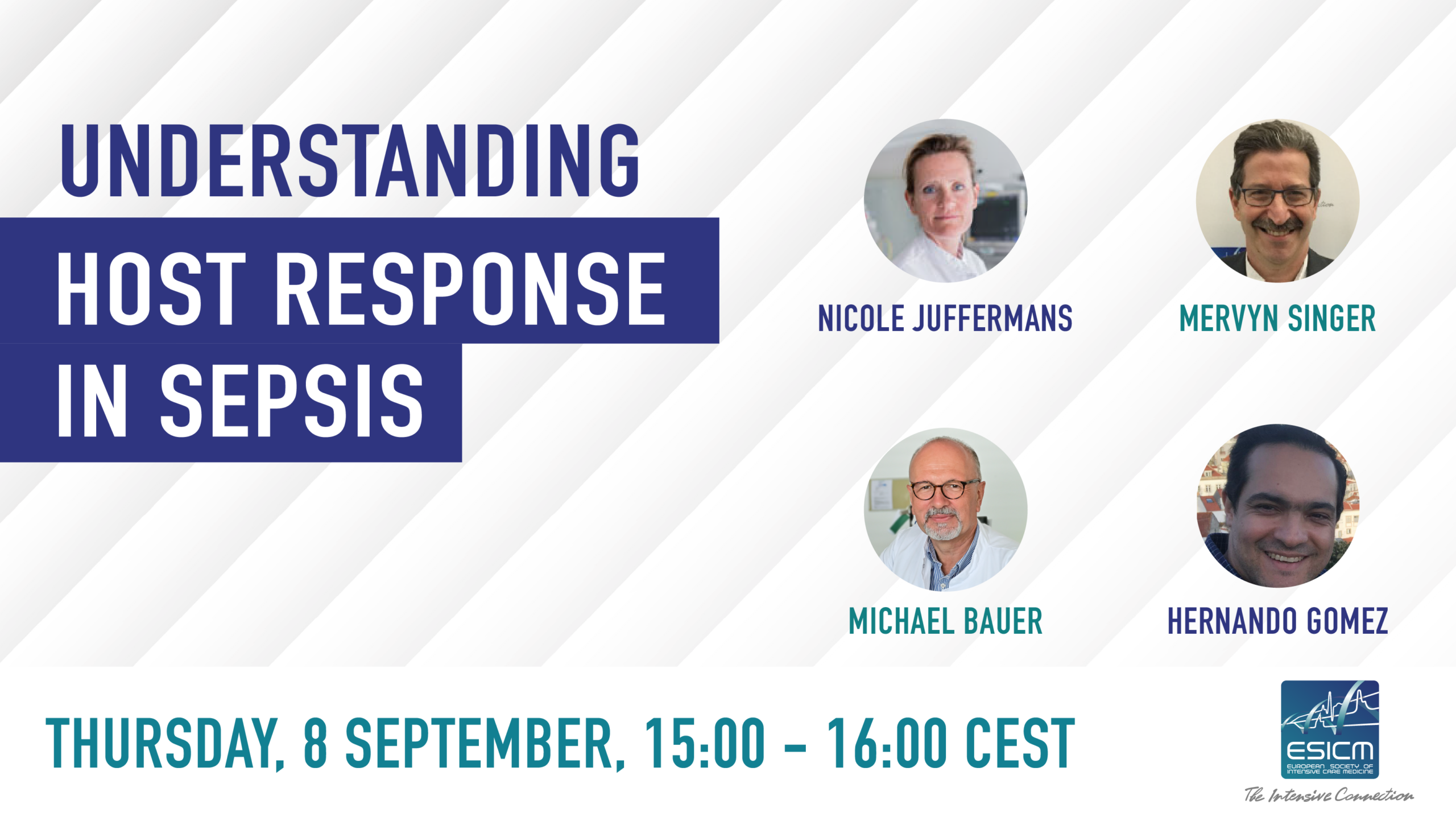
Introduction to Sepsis
Sepsis is a serious medical condition that arises when the body’s response to an infection causes injury to its own tissues and organs. It is often referred to as a silent killer due to its rapid onset and high mortality rate. With an estimated 49 million cases reported globally each year, sepsis remains a significant concern for public health officials and medical practitioners alike.
Understanding the Causes
Sepsis can occur as a result of any type of infection, but it is most commonly associated with pneumonia, urinary tract infections, abdominal infections, and bloodstream infections. According to the World Health Organization (WHO), the risk of developing sepsis is heightened in individuals with weakened immune systems, the elderly, and those with chronic medical conditions. The condition can lead to septic shock, multiple organ failure, and ultimately, death if not treated promptly.
Recognising Symptoms
Recognising the symptoms of sepsis is critical for early intervention. Common signs include fever, chills, rapid breathing and heart rate, confusion, and significant pain or discomfort. The National Health Service (NHS) highlights the importance of being vigilant, particularly in at-risk populations. Timely medical attention is essential in increasing the chances of survival.
Recent Developments
Recently, efforts have intensified worldwide to improve sepsis awareness and education. In 2023, the Sepsis Alliance launched a global campaign aimed at both the public and healthcare professionals to increase understanding of the condition. Innovative approaches include using artificial intelligence in emergency departments to assist in sepsis diagnosis and treatment prioritisation, showcasing a proactive measure in tackling the disease.
Conclusion and Future Outlook
Sepsis poses a formidable risk to patients across the globe, but increased awareness and early diagnosis can save lives. Looking ahead, healthcare systems are urged to continue developing protocols for the early identification of sepsis, alongside education campaigns targeting both healthcare professionals and the general public. As awareness grows, the hope is that prevention strategies can become more effective, ultimately reducing the incidence and mortality rates associated with this life-threatening condition.