










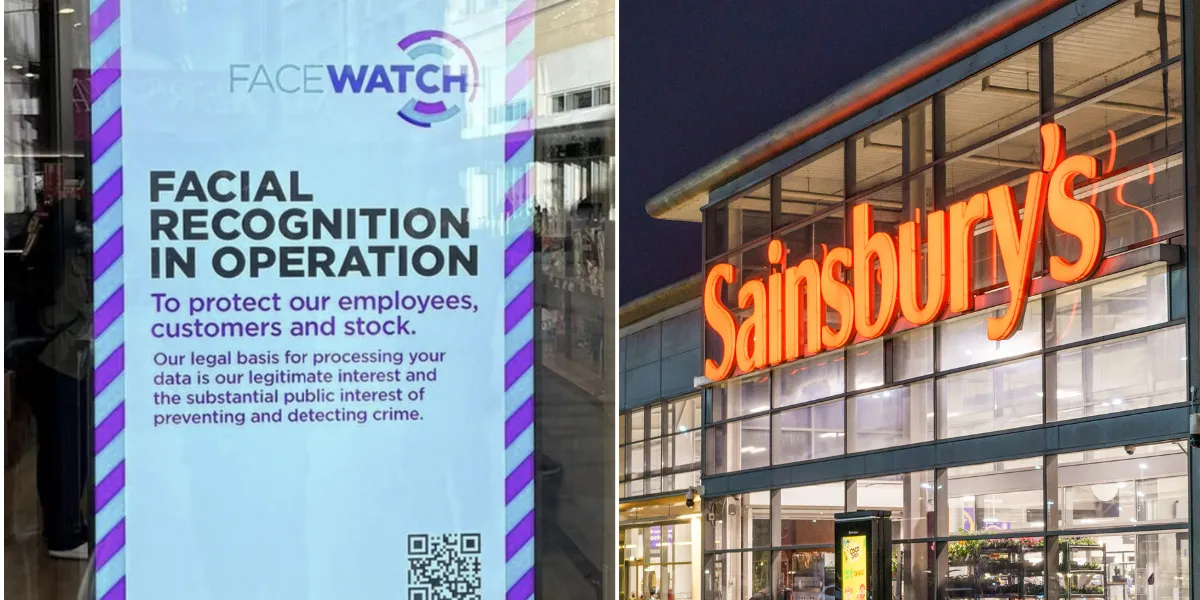
The Rise of Facial Recognition Technology
Facial recognition technology has increasingly been adopted by various retailers, promising enhanced security and improved customer service. However, its implementation has sparked significant ethical debates regarding privacy, data security, and potential misuse. Recently, Sainsbury’s has found itself under scrutiny after reports surfaced of errors related to its facial recognition system, raising critical questions about the accuracy and responsibility of such technology in retail environments.
Details of the Incident
In early October 2023, Sainsbury’s implemented a facial recognition system in select stores, aimed at detecting shoplifters and preventing theft. However, numerous customers reported false positives, leading to wrongful allegations and confrontations. Customers shared their experiences, describing how they were falsely accused of theft and even questioned by security personnel based on incorrect facial recognition matches.
Experts in artificial intelligence and civil liberties quickly pointed out the inherent flaws in facial recognition technology, noting that its accuracy can be particularly unreliable depending on factors such as lighting, angles, and the diverse range of human features. The incident at Sainsbury’s has reignited discussions about the dangers of relying on potentially flawed technology for security purposes, drawing attention to the risks of misidentification and its repercussions on individuals’ rights.
Public Reaction and Industry Response
The backlash against Sainsbury’s has been swift, with consumer advocacy groups calling for a ban on the use of facial recognition in retail, citing privacy concerns and the negative impact on employee and customer relations. Sainsbury’s responded by assuring customers that they are reviewing their facial recognition policies and will take steps to improve the accuracy and training of their systems.
Moreover, the UK Information Commissioner’s Office (ICO) has put retailers on notice regarding the use of facial recognition technology, asserting the need for compliance with data protection regulations like the General Data Protection Regulation (GDPR). Failure to adhere to these regulations could result in severe penalties for retailers.
Conclusion and Future Implications
The Sainsbury’s facial recognition error serves as a potent reminder of the challenges and ethical issues surrounding the use of advanced technology in everyday situations. As consumers become increasingly aware of their privacy rights, retailers must navigate the delicate balance between utilising technology for security and ensuring the protection of customer information. As discussions continue, it remains clear that any future implementation of facial recognition technology will require stringent measures to safeguard against errors and preserve public trust.